
Velma Jones
LCSWNew York · 29 yrs exp
Experienced LCSW focusing on practical emotional support
Stress, Anxiety · Relationship · Trauma and abuse · Depression · +10 more
Read profileTherapist listings are provided by BetterHelp. We will earn a commission at no additional cost to you if you use our links to purchase.
Browse profiles of professionals who list Veterans among their specialties alongside aging and later-life concerns. Compare listed location, therapeutic approaches, languages, academic degrees, and practical experience as you review the listings below.
New York · 29 yrs exp
Experienced LCSW focusing on practical emotional support
Stress, Anxiety · Relationship · Trauma and abuse · Depression · +10 more
Read profile
Oklahoma · 21 yrs exp
Practical, collaborative care for life transitions
Stress, Anxiety · Relationship · Family · Self esteem · +8 more
Read profile
North Carolina · 25 yrs exp
Compassionate therapist for life transitions
Stress, Anxiety · Relationship · Family · Grief · +15 more
Read profile
Colorado · 19 yrs exp
Experienced LCSW focused on practical support
Stress, Anxiety · Relationship · Trauma and abuse · Grief · +12 more
Read profile
Oregon · 26 yrs exp
Compassionate, practical support for life transitions
Stress, Anxiety · Trauma and abuse · Grief · Depression · +10 more
Read profile
Louisiana · 7 yrs exp
Therapist who blends practical tools with purpose
Stress, Anxiety · Family · Trauma and abuse · Parenting · +15 more
Read profile
Missouri · 16 yrs exp
Practical, empathetic social work for life changes
Stress, Anxiety · Trauma and abuse · Self esteem · Bipolar · +12 more
Read profile
Texas · 10 yrs exp
Calm guidance for practical progress
Stress, Anxiety · Relationship · Family · Depression · +14 more
Read profile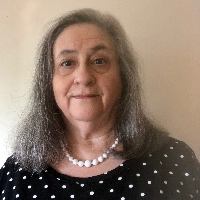
Mississippi · 23 yrs exp
A steady, practical guide through life transitions
Stress, Anxiety · Grief · Anger · Self esteem · +8 more
Read profile
Georgia · 14 yrs exp
Compassionate counselor for life transitions and aging concerns
Stress, Anxiety · LGBT · Trauma and abuse · Anger · +9 more
Read profile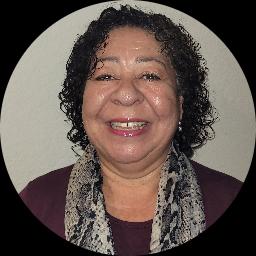
Texas · 21 yrs exp
Practical support for life transitions and relationships
Stress, Anxiety · Relationship · Trauma and abuse · Intimacy-related issues · +15 more
Read profile
Missouri · 14 yrs exp
Compassionate counselor focused on practical change
Stress, Anxiety · Self esteem · Career · Depression · +13 more
Read profile
Montana · 16 yrs exp
Practical, candid counseling for life transitions
Stress, Anxiety · Relationship · Self esteem · Depression · +11 more
Read profile
Illinois · 25 yrs exp
Experienced LCSW guiding practical change
Stress, Anxiety · Self esteem · Career · Coping with life changes · +10 more
Read profile
Texas · 10 yrs exp
Counselor focused on practical change
Stress, Anxiety · Relationship · Anger · Self esteem · +16 more
Read profile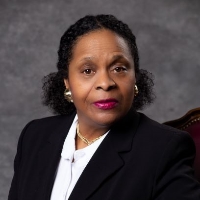
Missouri · 20 yrs exp
Experienced counselor for life transitions
Stress, Anxiety · Addictions · Trauma and abuse · Anger · +14 more
Read profile
Florida · 20 yrs exp
Compassionate practical support for life transitions
Addictions · Relationship · Trauma and abuse · Parenting · +14 more
Read profile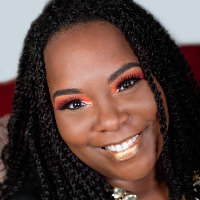
North Carolina · 30 yrs exp
Compassionate whole-person therapy for life transitions
LGBT · Relationship · Family · Trauma and abuse · +13 more
Read profile
Mississippi · 25 yrs exp
Supportive counseling for life's transitions
Stress, Anxiety · Relationship · Family · Grief · +15 more
Read profile
Georgia · 17 yrs exp
Practical counseling for life transitions
Relationship · Family · Trauma and abuse · Career · +13 more
Read profile
Florida · 20 yrs exp
Compassionate, practical mental health care
Stress, Anxiety · Grief · Self esteem · Depression · +9 more
Read profile
Florida · 10 yrs exp
Compassionate, strengths-based therapy for life transitions
Stress, Anxiety · Trauma and abuse · Grief · Depression · +12 more
Read profile
Oklahoma · 12 yrs exp
Practical CBT for life changes
Anger · Coping with life changes · Relationship · Family · +1 more
Read profile
Illinois · 12 yrs exp
Compassionate guidance for lasting emotional change
Trauma and abuse · Self esteem · Coping with life changes · Coaching · +8 more
Read profileAs you move through retirement or support an older family member, you may notice that past military service still shapes daily life in ways that become more visible with age. Changes in health, shifts in social roles, the end of long careers, and loss of peers can bring memories, identity questions, and new stressors to the foreground. Loneliness can increase when friendships that once centered on shared routines or units drift away. Caregiving roles - whether you are receiving care or providing it to a partner, spouse, or comrade - can change family relationships and create practical and emotional strain. All of these experiences can overlap with concerns that often come up in later life, such as finding purpose after work, adjusting to physical limitations, grieving losses, or navigating changing independence.
When you look for a therapist on this page, you are not necessarily seeking clinical diagnosis or medical treatment. You are exploring professionals who have chosen to list Veterans as an area of focus alongside aging or later-life topics. That combination may be helpful if you want someone who understands the cultural and life-course context of military service while also being attentive to issues like retirement transitions, caregiving responsibilities, or changes in family dynamics. Profiles can help you identify practitioners who emphasize the aspects of care that matter to you so you can start a conversation that fits your situation.
This directory groups profiles where therapists have indicated Veterans among their specialties and have also noted aging or later-life issues as part of their practice focus. That does not imply a causal link between military service and every later-life concern, but the overlap can be meaningful. For some people, service-related experiences remain central to identity and relationships long after active duty ends. For others, military history is one element among many - a source of resilience, a context for health and family choices, or a background that shapes how you approach retirement and social connections.
When you review profiles, you will see a range of emphases. Some professionals highlight emotional processing and life review, while others emphasize relational work with family members who are helping to manage care or navigating changes in roles. You may also find clinicians who list approaches such as cognitive-behavioral practices, psychodynamic work, or mindfulness-based strategies; when a profile lists a particular approach it means that the therapist cites that method among the ways they work, not that it is a guarantee of training or outcome. Use the overlap between Veterans and later-life concerns as a lens to find profiles that align with the topics you want to address, whether those are grief, loneliness, caregiving stress, or questions about meaning and purpose.
Before you reach out to a clinician, it helps to be ready with specific questions that clarify how they might work with your concerns. You might ask how much experience they have working with veterans of your generation or service branch, and how they describe their work with older adults who are navigating retirement, health changes, or caregiving roles. If family relationships are a concern, you can ask whether they have experience supporting adult children who are helping an older parent, and how they typically involve family members in sessions when that is appropriate.
Ask about the therapeutic approaches listed in a profile by naming what you want to understand. For example, you can say, "I see you list cognitive-behavioral approaches and life review - how do you combine those when working with someone in later life?" or "I notice EMDR is among the approaches on your profile - can you describe how you might use that approach with veterans who have longstanding memories that affect daily life?" These kinds of questions invite a practical answer about style and fit rather than implying formal certification. It can also be helpful to ask about the setting and format you prefer. If you plan to connect remotely, discuss how they manage session flow and engagement when you are not meeting in the same room. If in-person meetings matter, check the listed location to see whether it matches your needs and travel abilities.
If you are considering remote or online sessions, there are a few practical topics to bring up so you feel prepared. Describe the technology you plan to use and ask what platforms the clinician uses so you understand how sessions are arranged. Talk about the times of day you prefer, especially if you are coordinating with caregivers, medical appointments, or family members who help with transportation. You may want to ask how the therapist handles brief check-ins between sessions, what the first few sessions typically cover, and how they approach goal-setting for work focused on grief, adjustment, or rebuilding social connections.
Privacy and comfort during remote work are important considerations. Ask where the clinician conducts sessions from and how they ensure an interruption-free setting. If you will be in a home environment with others nearby, discuss strategies for maintaining a comfortable environment during conversations that can feel personal or emotionally charged. If the therapist notes language abilities or offers consultations for family members, ask how they include relatives in planning and whether they recommend joint sessions, separate family sessions, or phone check-ins depending on the situation. These practical discussions help you set expectations and choose a profile that fits your rhythm and technical needs.
Profiles on this page vary in how they describe focus areas, the languages they list, and the academic degrees or professional registrations they include. When you compare profiles, pay attention to the combination of focus areas rather than a single label. If you want someone who understands caregiving stress, look for profiles that list caregiving roles, family dynamics, or relationship work alongside Veterans and later-life concerns. If meaning and purpose are central for you, prioritize profiles that mention life transitions, retirement, or existential concerns.
Language is also a practical factor. If you or a family member prefer to speak in a language other than English, look for profiles that explicitly list those languages so you can communicate comfortably. Regarding credentials, distinguish degrees from permission to practice. Academic degrees such as PhD, PsyD, MD, MA, or MSW indicate educational background. Jurisdictional permission to practice may appear as state licenses in the United States or as registration or membership with appropriate bodies in the United Kingdom and Australia. For example, U.S. profiles may show state license types, while U.K. and Australian profiles often note professional registrations or association memberships. A degree alone is not the same as registration or licensing. Use profile wording to form questions you can ask directly about a clinician's current standing and how they describe their practice in the listed location.
Finally, consider therapeutic style and the phrases used in profiles. Some clinicians emphasize a collaborative, strengths-based approach, while others highlight reflective life review or practical coping strategies for day-to-day challenges. You might prefer a therapist who focuses on narrative work and memory integration, or someone who emphasizes problem-solving for caregiving logistics and family communication. Read descriptions for tone and emphasis, and think about which style feels most likely to help you reach your goals. When you contact a clinician, bring the concrete examples and questions that matter to you so you can quickly assess fit and begin a focused conversation about how to proceed.
Searching for a therapist who lists Veterans and later-life concerns can help you find someone familiar with the intersection of military experience and the challenges that come with aging. By looking closely at profiles for focus areas, languages, academic degrees, registrations or licenses, and described approaches, you can prepare targeted questions and choose a clinician to talk to about your specific situation - whether you are an older veteran yourself or a family member supporting someone through retirement, loss, caregiving, or the search for renewed purpose.
Alabama
85 therapists
Alaska
6 therapists
Arizona
76 therapists
Arkansas
43 therapists
Australia
100 therapists
California
410 therapists
Colorado
124 therapists
Connecticut
40 therapists
Delaware
12 therapists
District of Columbia
13 therapists
Florida
610 therapists
Georgia
177 therapists
Hawaii
17 therapists
Idaho
34 therapists
Illinois
204 therapists
Indiana
72 therapists
Iowa
34 therapists
Kansas
36 therapists
Kentucky
68 therapists
Louisiana
86 therapists
Maine
19 therapists
Maryland
70 therapists
Massachusetts
75 therapists
Michigan
220 therapists
Minnesota
57 therapists
Mississippi
44 therapists
Missouri
142 therapists
Montana
36 therapists
Nebraska
28 therapists
Nevada
32 therapists
New Hampshire
15 therapists
New Jersey
114 therapists
New Mexico
34 therapists
New York
251 therapists
North Carolina
208 therapists
North Dakota
6 therapists
Ohio
135 therapists
Oklahoma
86 therapists
Oregon
46 therapists
Pennsylvania
167 therapists
Rhode Island
8 therapists
South Carolina
95 therapists
South Dakota
9 therapists
Tennessee
84 therapists
Texas
487 therapists
United Kingdom
996 therapists
Utah
30 therapists
Vermont
11 therapists
Virginia
94 therapists
Washington
63 therapists
West Virginia
17 therapists
Wisconsin
101 therapists
Wyoming
16 therapists