
Teresa Adams
LPCMississippi · 16 yrs exp
Compassionate relationship-focused counselor
Stress, Anxiety · Relationship · Family · Parenting · +6 more
Read profileTherapist listings are provided by BetterHelp. We will earn a commission at no additional cost to you if you use our links to purchase.
This page groups therapist profiles under the listed location Mississippi so visitors can compare focus areas, approaches, languages, and credentials. Browse the profiles to explore professionals who list aging and later-life concerns and check each profile to confirm permission to work with you where you live.
Mississippi · 16 yrs exp
Compassionate relationship-focused counselor
Stress, Anxiety · Relationship · Family · Parenting · +6 more
Read profile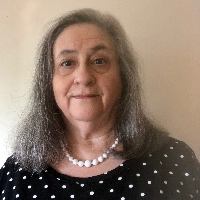
Mississippi · 23 yrs exp
A steady, practical guide through life transitions
Stress, Anxiety · Grief · Anger · Self esteem · +8 more
Read profile
Mississippi · 25 yrs exp
Supportive counseling for life's transitions
Stress, Anxiety · Relationship · Family · Grief · +15 more
Read profile
Mississippi · 36 yrs exp
Experienced LCSW helping people through life changes
Family · Parenting · Anger · Self esteem · +11 more
Read profile
Mississippi · 26 yrs exp
Caring, practical counseling for life transitions
Stress, Anxiety · Relationship · Family · Trauma and abuse · +10 more
Read profile
Mississippi · 51 yrs exp
Experienced social work clinician for adult concerns
Stress, Anxiety · Relationship · Self esteem · Depression · +15 more
Read profile
Mississippi · 15 yrs exp
Steady, person-centered support for life changes
Stress, Anxiety · Relationship · Family · Depression · +14 more
Read profile
Mississippi · 20 yrs exp
Practical, faith-informed counseling for life changes
Stress, Anxiety · Addictions · Trauma and abuse · Coping with life changes · +7 more
Read profile
Mississippi · 23 yrs exp
Compassionate counselor for life transitions
Stress, Anxiety · Relationship · Family · Trauma and abuse · +14 more
Read profile
Mississippi · 5 yrs exp
Compassionate, practical counseling for life changes
Stress, Anxiety · Trauma and abuse · Self esteem · Coping with life changes · +1 more
Read profile
Mississippi · 14 yrs exp
Compassionate counselor for life transitions
Stress, Anxiety · Relationship · Self esteem · Depression · +1 more
Read profile
Mississippi · 5 yrs exp
Compassionate help for life transitions
Trauma and abuse · Grief · Self esteem · Career · +1 more
Read profile
Mississippi · 4 yrs exp
Calm practical support for life transitions
Stress, Anxiety · Addictions · Self esteem · Depression · +1 more
Read profile
Mississippi · 35 yrs exp
Counselor using creative, person-centered methods
Stress, Anxiety · Trauma and abuse · Grief · Depression · +11 more
Read profile
Mississippi · 21 yrs exp
Compassionate, practical counseling for life challenges
Stress, Anxiety · Self esteem · Depression · Coping with life changes · +15 more
Read profile
Mississippi · 15 yrs exp
Compassionate counselor for life transitions
Stress, Anxiety · Addictions · Relationship · Family · +5 more
Read profile
Mississippi · 30 yrs exp
Compassionate therapist focused on practical change
Stress, Anxiety · Addictions · Trauma and abuse · Grief · +1 more
Read profile
Mississippi · 31 yrs exp
Experienced LCSW guiding practical change
Stress, Anxiety · Grief · Intimacy-related issues · Self esteem · +11 more
Read profile
Mississippi · 9 yrs exp
Compassionate counselor focused on practical change
Family · Trauma and abuse · Grief · Self esteem · +8 more
Read profile
Mississippi · 30 yrs exp
Compassionate clinician for life transitions
Stress, Anxiety · Addictions · Trauma and abuse · Depression · +14 more
Read profile
Mississippi · 21 yrs exp
A calm, practical LCSW for life transitions
Stress, Anxiety · Self esteem · Depression · Coping with life changes · +12 more
Read profile
Mississippi · 20 yrs exp
Calm client-centered care for life transitions
Relationship · Family · Grief · Intimacy-related issues · +3 more
Read profile
Mississippi · 32 yrs exp
Compassionate, experienced counselor for life transitions
Trauma and abuse · Grief · Self esteem · Bipolar · +11 more
Read profile
Mississippi · 23 yrs exp
Compassionate clinician focused on practical growth
Addictions · LGBT · Family · Grief · +10 more
Read profileAs you or a family member move through retirement, changing health, loss, or evolving family roles, it is normal to want conversation and guidance tailored to this stage of life. You may be facing practical transitions like reduced mobility, decisions about caregiving responsibilities, adjustments to income or housing, or the emotional impact of bereavement and shifting identity. Therapists in this directory list aging and later-life concerns among their focuses, and reading profiles can help you identify professionals who mention the issues that matter most to you, whether that is coping with loneliness, strengthening family connections, or exploring purpose and meaning after major life changes.
When searching, keep in mind that the term "later-life" can mean different things to different people. Some visitors are older adults seeking direct support. Others are adult children helping a parent find a therapist. Either way, your priorities - practical problem solving, emotional processing, relationship navigation, or planning for the future - will shape which profile feels like the best fit to contact for an initial conversation.
Profiles on this site are grouped under the listed location Mississippi so you can focus on professionals who indicate a connection to that area. A listed location does not guarantee a physical office in every town or that a therapist has current permission to practice everywhere in Mississippi. It is important to open each individual profile and confirm how the therapist describes their work, where they are permitted to work, and whether their degree and professional authorization meet the needs of your situation.
Degrees you will see on profiles - for example PhD, PsyD, MD, MA, MSW - identify academic qualifications. Those are not the same as a professional authorization to provide therapy in a particular jurisdiction. In the United States, look for a state license or the specific license type a therapist mentions, such as LCSW, LPC, LMFT, or other state designations. Professionals based in the United Kingdom or Australia may list registration or membership with professional bodies rather than a US-style state license. That difference is important because the rules about where a professional may work or offer remote services vary by country and by state. Always confirm the details on the profile and ask the therapist to clarify their permission to work with clients in your location.
When a profile lists approaches, focus areas, or specialties, think of those entries as conversation starters rather than guarantees. A helpful way to learn more is to ask specific, concrete questions about how the therapist applies their approach with people in later life. You might ask, "How have you worked with people adjusting to retirement or shifts in daily routine?" or "Can you describe your experience helping families manage caregiving decisions and boundary setting?" If a profile shows that a therapist lists EMDR among their approaches, you can ask, "You list EMDR among your approaches - how might that be used with someone coping with loss later in life?"
Also ask about the therapist's length of experience with issues you care about rather than assuming that a listed focus means extensive practice. Practical questions such as "How often have you worked with clients facing prolonged grief or late-life relationship transitions?" and "What kinds of goals do you typically set with older adults or their families?" will give you clearer information when comparing profiles. Remember that a profile can mention many approaches; asking how and when those approaches are used will help you determine whether the therapist's style matches your expectations.
If you are considering remote sessions because travel is difficult, or because you are located in a different part of Mississippi, it helps to raise logistical and practical questions early. Ask the therapist to explain what remote sessions typically look like for them, how they handle notes and records, and what technology they use. It is appropriate to ask which jurisdictions they are permitted to work in and whether their authorization covers the county or state where you live. That ensures you understand whether the therapist can ethically and legally offer ongoing support to you from their listed location.
Conversations about format and support should also cover how a therapist approaches urgent concerns and what you should do if a difficult situation arises between conversations. You can ask, "How would I reach you in an urgent situation, and what resources do you recommend in my area?" and "How do you structure sessions when memory, hearing, or mobility affect communication?" Asking these kinds of questions helps you set realistic expectations and makes it easier to compare how different profiles handle practical barriers to care.
Comparing profiles effectively means looking beyond a single phrase and reading descriptions as a whole. Start by noting which focus areas are emphasized on a profile - retirement transitions, caregiving stress, grief and loss, loneliness, family relationship work, or meaning and identity in later life. Then read how the therapist describes their way of working. A profile that mentions collaborative goal setting, life review and meaning-making, or communication skills training suggests different session content than one that highlights supportive counseling or problem solving. Because the directory includes professionals from multiple countries, pay attention to how each profile frames credentials and experience rather than assuming uniform terminology.
Language access and cultural fit are also important. If you or the person you support prefers a language other than English, look for profiles that list additional languages and ask about comfort in discussing complex emotions and cultural values. When considering credentials, remember that degrees such as PhD, PsyD, MD, MA, and MSW describe educational background, while authorization to practice is governed by state licenses in the United States or registration and membership systems in the United Kingdom and Australia. Ask direct questions like, "Do you have a state license or professional registration that allows you to work with clients in Mississippi?" and "What experience do you have working with people from my cultural or religious background?"
Finally, think about personal style and rapport. Some profiles convey a more directive, structured approach; others emphasize reflective conversation and life review. You might ask, "How do you typically begin a course of work with someone facing loss or transition?" or "What are some goals you have helped clients in later life set and pursue?" These specific queries will help you discern meaningful differences between profiles and choose professionals whose described approach and experience align with your goals.
As you browse profiles listed under Mississippi, keep a record of a few therapists whose descriptions resonate with your priorities, and then reach out to clarify any remaining questions about their approach, authorization to work in your location, language abilities, and experience with the kinds of later-life concerns you face. That careful comparison will help you make an informed choice about who to contact for an initial conversation.
Chronic Illness
2666 therapists
Depression
5400 therapists
Grief
4881 therapists
Guilt and Shame
4692 therapists
Isolation / Loneliness
4738 therapists
Mood Disorders
3731 therapists
Self Esteem
5229 therapists
Sleeping Disorders
2080 therapists
Stress & Anxiety
5759 therapists
Trauma and Abuse
4612 therapists
Aging and Geriatric Issues
6041 therapists
Caregiver Issues and Stress
4532 therapists
Compassion Fatigue
3394 therapists
Coping with Life Changes
5135 therapists
Divorce
4056 therapists
Family
4349 therapists
Family of Origin Issues
3144 therapists
Forgiveness
4451 therapists
Hospice and End-of-Life Counseling
2913 therapists
Life Purpose
4904 therapists
Money and Financial Issues
2512 therapists
Relationship
4966 therapists