
Brenda Atkinson
LCSW, CSWVirginia · 31 yrs exp
Compassionate social worker for life transitions
Stress, Anxiety · Relationship · Family · Trauma and abuse · +12 more
Read profileTherapist listings are provided by BetterHelp. We will earn a commission at no additional cost to you if you use our links to purchase.
Profiles listed for Virginia are grouped here so visitors can compare therapists who list aging and later-life concerns. Review focus areas, professional credentials, languages, and approaches, then browse individual profiles for more details.
Virginia · 31 yrs exp
Compassionate social worker for life transitions
Stress, Anxiety · Relationship · Family · Trauma and abuse · +12 more
Read profile
Virginia · 24 yrs exp
Practical, compassionate therapy for life transitions
Stress, Anxiety · Trauma and abuse · Grief · Self esteem · +9 more
Read profile
Virginia · 25 yrs exp
Compassionate support for life transitions
Stress, Anxiety · Grief · Self esteem · Depression · +12 more
Read profile
Virginia · 5 yrs exp
Support for relationships and life transitions
Relationship · Intimacy-related issues · Self esteem · Career · +11 more
Read profile
Virginia · 15 yrs exp
Grounded counseling for life transitions
Stress, Anxiety · Addictions · Trauma and abuse · Self esteem · +1 more
Read profile
Virginia · 20 yrs exp
Compassionate, practical help for life transitions
Stress, Anxiety · Family · Grief · Parenting · +13 more
Read profile
Virginia · 4 yrs exp
Care-focused support for life transitions
Stress, Anxiety · Trauma and abuse · Grief · Depression · +10 more
Read profile
Virginia · 15 yrs exp
Therapist blending skills and mindfulness
Stress, Anxiety · Trauma and abuse · Grief · Sleeping · +13 more
Read profile
Virginia · 4 yrs exp
Therapist focused on purpose and resilience
Stress, Anxiety · Relationship · Parenting · Self esteem · +1 more
Read profile
Virginia · 30 yrs exp
Experienced LCSW-C for adult life challenges
Stress, Anxiety · Relationship · Parenting · Self esteem · +1 more
Read profile
Virginia · 5 yrs exp
Compassionate, practical support for life changes
Stress, Anxiety · Trauma and abuse · Self esteem · Depression · +1 more
Read profile
Virginia · 16 yrs exp
Practical, experienced LCSW for life changes
Stress, Anxiety · Grief · Self esteem · Depression · +12 more
Read profile
Virginia · 15 yrs exp
Compassionate counselor for life transitions
Stress, Anxiety · Grief · Eating · Career · +13 more
Read profile
Virginia · 35 yrs exp
Compassionate LCSW helping people regain hope
Stress, Anxiety · Trauma and abuse · Grief · Depression · +12 more
Read profile
Virginia · 28 yrs exp
Compassionate counselor for life transitions
Stress, Anxiety · Relationship · Family · Depression · +12 more
Read profile
Virginia · 9 yrs exp
Compassionate therapist focused on practical skills
Stress, Anxiety · LGBT · Self esteem · Bipolar · +11 more
Read profile
Virginia · 40 yrs exp
Experienced counselor focused on real-life change
Stress, Anxiety · Relationship · Family · Anger · +12 more
Read profile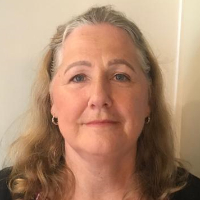
Virginia · 20 yrs exp
Compassionate care for life transitions
Stress, Anxiety · Addictions · Relationship · Family · +9 more
Read profile
Virginia · 32 yrs exp
Experienced counselor for life transitions
Stress, Anxiety · Addictions · Anger · Depression · +10 more
Read profile
Virginia · 3 yrs exp
Practical support for life changes and aging concerns
Stress, Anxiety · Relationship · Self esteem · Depression · +10 more
Read profile
Virginia · 4 yrs exp
A practical, strengths-based LCSW
Stress, Anxiety · Grief · Anger · Self esteem · +10 more
Read profile
Virginia · 20 yrs exp
Experienced counselor focused on practical help
Stress, Anxiety · Relationship · Self esteem · Depression · +10 more
Read profile
Virginia · 10 yrs exp
Compassionate, practical therapy for life changes
Stress, Anxiety · Relationship · Family · Trauma and abuse · +10 more
Read profile
Virginia · 16 yrs exp
Practical, person-centered help for life changes
Stress, Anxiety · LGBT · Family · Grief · +10 more
Read profileLater life brings a mix of transitions that often lead people to consider therapy. You might be adjusting to retirement and the change in daily rhythm and identity that can follow. Health changes, including new limitations or the need to manage chronic conditions, can prompt questions about independence and purpose. Loss in numerous forms is common - the death of friends or partners, changes in roles, or the end of careers - and grief can surface long after the initial event. Loneliness and shrinking social networks are frequent concerns whether you live alone or with others. Many people find themselves taking on caregiver responsibilities for a partner or aging parent and the emotional and practical strain can be intense. Family relationships often require new boundaries and conversations as roles shift between generations. Alongside practical issues, questions about meaning and life review can feel important - reflecting on accomplishments, regrets, and what matters next.
These concerns are relevant whether you are an older adult or an adult child supporting a parent. You do not have to be experiencing a medical condition to explore therapy. Profiles in this directory indicate therapists who list aging and geriatric issues among their additional focus areas, which can help you identify clinicians who describe an interest in later-life topics. That listing does not itself establish specialist certification or a particular scope of practice. Use each profile as a starting point for questions about experience, approach and fit.
This page groups profiles by the listed location Virginia, but a listed location is not evidence of a physical office, close proximity, eligibility to work with you, or an active license in that place. When you review a profile, check the details the therapist provides and confirm directly whether they are permitted to provide care where you live. Licensing systems differ across countries, so pay attention to how credentials are described. In the United States, clinicians commonly hold state licenses such as a license in counseling, social work or psychology. In the United Kingdom and Australia, professionals may report registration or membership with a professional body rather than a state license. Academic degrees such as PhD, PsyD, MD, MA or MSW indicate educational background but do not by themselves confirm current permission to practice. A degree should be considered separately from a license, registration or membership. Profiles may name degrees, professional titles and the jurisdictions where a clinician is allowed to work; it is wise to verify those details on the profile and ask the clinician directly if necessary.
When evaluating a listed profile, look for clear statements about the clinician’s jurisdictional permission to work with you, especially if you plan to meet online from a different state or country. If you are supporting an older relative, confirm that the clinician is able to work with the person in their place of residence. Asking these questions up front helps you avoid misunderstandings about where a therapist can practice and the regulatory framework that applies to their work.
Approach and experience matter for how a therapist will work with later-life questions, and it is reasonable to ask concrete questions before you commit to longer-term sessions. Start with inquiries about experience relevant to your situation, for example asking whether the therapist has worked with people navigating retirement transitions, complex grief, caregiver stress or shifting family roles. Ask how much of their caseload involves later-life concerns and what kinds of situations they have supported. When reviewers mention particular modalities, phrase questions to reflect that these are self-reported approaches - for instance, ask whether a therapist often works with older adults using approaches they list, and how they adapt those approaches to age-related concerns.
Ask for examples of how a therapist tailors their work when health changes or functional limitations are present, and how they involve family members or support networks when appropriate. If communication style is important to you, request a description of how sessions typically unfold - whether the therapist tends to be directive or exploratory, structured or open-ended - and whether they use tools such as life review or values-focused conversations. If you are helping a parent, inquire how the therapist balances autonomy and safety, and how decisions about involvement of adult children are handled. These direct questions give you a clearer sense of clinical style and experience than relying on labels alone.
If you are considering online sessions, address practical and boundary issues early so expectations are clear. Clarify the technology the therapist uses and what happens if a connection drops, and discuss whether video, phone or another format is most appropriate given hearing, vision or mobility considerations. Confirm whether the clinician is permitted to offer care across state or national borders in your situation, and whether there are any jurisdictional limits you should be aware of. Talk about how the therapist handles urgent needs or emergencies during remote work and what local resources they recommend if immediate help is needed where you live.
Accessibility and comfort are important - ask about session length and pacing, whether written summaries or follow-up emails are provided, and how the therapist supports memory or note-taking for people who want reminders of themes discussed. If you have concerns about paperwork, billing or the role of family members during sessions, raise those topics in an initial conversation. Clear agreements about technology, communication and boundaries help you focus on the therapeutic work rather than logistics.
Comparing profiles helps you narrow options based on concrete preferences. Look for therapists who explicitly list focus areas that match your needs, such as grief, caregiving stress, retirement adjustment or life review. When languages are listed, consider whether sessions in your preferred language matter for nuance and expression, and whether the therapist indicates use of interpreters or multilingual resources. Evaluate credentials by distinguishing degrees from licenses or registrations; a clinician with an MSW may also hold a state social work license, while a PhD indicates doctoral-level training but not a license on its own. Profiles that describe both degree and licensing or registration give a clearer picture, but always confirm current status directly.
Style and approach can be compared by reading how therapists describe their work. Some clinicians note a capacity to engage in structured problem-solving, while others emphasize open-ended reflection or life review practices for later-life meaning. Remember that a listed approach is an option to discuss rather than a guarantee of use in every case. Ask how the therapist adapts their style to accommodate mobility, sensory change or cognitive differences and whether they involve family members when desired. Also clarify scope of practice - a listed topic does not mean a therapist treats children, couples or families unless they state that scope explicitly. By focusing on concrete elements - focus areas, languages, documented credentials, and described style - you can create a shortlist of profiles to contact for an initial conversation and make an informed decision about next steps.
This directory groups profiles under the listed location Virginia to help you begin your search. That grouping is a starting point; it is not evidence of an office, physical proximity, eligibility for every resident, or an active license in that location. Check each individual profile and confirm that the clinician has permission to work with you where you live before starting care. Thoughtful questions about experience, approach and practical arrangements will help you find a match that fits your needs and preferences as you navigate later-life concerns.
Chronic Illness
2666 therapists
Depression
5400 therapists
Grief
4881 therapists
Guilt and Shame
4692 therapists
Isolation / Loneliness
4738 therapists
Mood Disorders
3731 therapists
Self Esteem
5229 therapists
Sleeping Disorders
2080 therapists
Stress & Anxiety
5759 therapists
Trauma and Abuse
4612 therapists
Aging and Geriatric Issues
6041 therapists
Caregiver Issues and Stress
4532 therapists
Compassion Fatigue
3394 therapists
Coping with Life Changes
5135 therapists
Divorce
4056 therapists
Family
4349 therapists
Family of Origin Issues
3144 therapists
Forgiveness
4451 therapists
Hospice and End-of-Life Counseling
2913 therapists
Life Purpose
4904 therapists
Money and Financial Issues
2512 therapists
Relationship
4966 therapists