
Ruth Vanden Bosch
LPCMichigan · 25 yrs exp
Compassionate counselor guiding practical change
Stress, Anxiety · LGBT · Relationship · Grief · +10 more
Read profileTherapist listings are provided by BetterHelp. We will earn a commission at no additional cost to you if you use our links to purchase.
Find therapists listed in Michigan who include aging and later-life concerns among their focus areas and approaches. Use the profiles to compare focus areas, professional credentials, languages and therapeutic style, and confirm the listed location and whether the clinician can work with you where you live.
Michigan · 25 yrs exp
Compassionate counselor guiding practical change
Stress, Anxiety · LGBT · Relationship · Grief · +10 more
Read profile
Michigan · 21 yrs exp
Warm, practical social work support
Stress, Anxiety · Relationship · Family · Bipolar · +14 more
Read profile
Michigan · 9 yrs exp
Compassionate therapist for life changes
Stress, Anxiety · Self esteem · Depression · Coping with life changes · +4 more
Read profile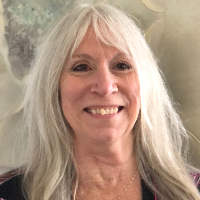
Michigan · 11 yrs exp
Compassionate counselor for life transitions
Stress, Anxiety · Trauma and abuse · Self esteem · Depression · +6 more
Read profile
Michigan · 24 yrs exp
Guiding steady change with practical care
Stress, Anxiety · Addictions · Relationship · Family · +1 more
Read profile
Michigan · 31 yrs exp
Compassionate social worker focused on practical change
Stress, Anxiety · Family · Trauma and abuse · Self esteem · +16 more
Read profile
Michigan · 6 yrs exp
Supportive Michigan LMSW for life changes
Stress, Anxiety · Grief · Self esteem · Depression · +3 more
Read profile
Michigan · 13 yrs exp
Practical, person-centered counseling in Michigan
Stress, Anxiety · Addictions · Trauma and abuse · Depression · +16 more
Read profile
Michigan · 20 yrs exp
Compassionate, practical therapy for life transitions
Stress, Anxiety · Addictions · Trauma and abuse · Grief · +10 more
Read profile
Michigan · 22 yrs exp
Compassionate, practical therapy for life changes
Stress, Anxiety · Grief · Self esteem · Career · +13 more
Read profile
Michigan · 10 yrs exp
Practical, strengths-based therapy for life challenges
Stress, Anxiety · Addictions · Relationship · Family · +12 more
Read profile
Michigan · 26 yrs exp
Compassionate support for life transitions
Stress, Anxiety · Addictions · Relationship · Grief · +14 more
Read profile
Michigan · 15 yrs exp
Practical, values-based support for life transitions
Stress, Anxiety · LGBT · Relationship · Depression · +16 more
Read profile
Michigan · 25 yrs exp
Practical strategies for life transitions
Stress, Anxiety · Relationship · Grief · Self esteem · +9 more
Read profile
Michigan · 40 yrs exp
Compassionate clinician guiding practical change
Stress, Anxiety · Family · Grief · Self esteem · +16 more
Read profile
Michigan · 35 yrs exp
Compassionate psychologist focused on life transitions
Stress, Anxiety · Relationship · Family · Self esteem · +16 more
Read profile
Michigan · 33 yrs exp
Practical, experienced psychologist for life transitions
Stress, Anxiety · Parenting · Coping with life changes · Addictions · +7 more
Read profile
Michigan · 25 yrs exp
Experienced Michigan therapist for life transitions
Stress, Anxiety · Anger · Self esteem · Depression · +6 more
Read profile
Michigan · 20 yrs exp
Experienced LMSW helping people through life changes
Stress, Anxiety · Relationship · Trauma and abuse · Grief · +12 more
Read profile
Michigan · 40 yrs exp
Compassionate counselor guiding practical life changes
LGBT · Relationship · Grief · Career · +14 more
Read profile
Michigan · 35 yrs exp
Guiding practical steps toward clearer, calmer living
Trauma and abuse · Grief · Self esteem · Career · +6 more
Read profile
Michigan · 36 yrs exp
Compassionate guidance for life transitions
Stress, Anxiety · Anger · Self esteem · Career · +11 more
Read profile
Michigan · 24 yrs exp
Practical, experienced support for life transitions
Stress, Anxiety · Family · Trauma and abuse · Parenting · +6 more
Read profile
Michigan · 40 yrs exp
Experienced clinician for late-life concerns
Stress, Anxiety · Relationship · Family · Grief · +1 more
Read profileAs you think about seeking support, it helps to name the kinds of transitions and challenges that bring people to therapy in later life. Retirement can unsettle routines and identity, and shifts in health - whether chronic conditions, sensory changes, or new mobility limits - often require emotional adjustment. Loss is another common theme; you may be processing bereavement, the end of a long partnership, or the cumulative grief of changing roles. Loneliness and changes in social networks can feel particularly sharp when friends or family members move away or health issues reduce social activity.
Caregiving roles are frequently part of the picture. You might be balancing your own wellbeing while supporting a spouse, parent, or partner, and that balancing act can affect relationships and decisions about housing, finances, or day-to-day routines. Family dynamics often come into therapy too - shifts in independence, disagreements about care, and conversations about future preferences can stir up long-standing patterns.
Alongside challenges, many people seek help to explore meaning and purpose in later life, whether that means finding new activities, redefining work and leisure, or managing transitions with more intention. The therapists listed here note aging and geriatric issues among their areas of focus, but that listing is not evidence of a specialty certification. Use the profiles to see who describes experience with the themes that matter to you and to prepare questions about fit.
This directory groups profiles under the listed location Michigan, which helps you find clinicians associated with that place. A listed location does not, by itself, prove that a profile represents an office address, a current license, or ongoing permission to practice in a particular jurisdiction. You should open each profile to review details and confirm directly with the clinician whether they are permitted to work with people where you live.
Professional backgrounds appear on profiles in different ways. Academic degrees such as PhD, PsyD, MD, MA, and MSW tell you about graduate education but do not by themselves confirm current permission to practice. In the United States, clinicians typically hold state licenses; those license types and titles vary by state. In the United Kingdom and Australia, you will often see references to professional registration, membership of a governing body, or professional associations that differ from U.S. licensing systems. Because terms differ internationally, look for statements in a profile about how a clinician is credentialed in their own country and ask them to clarify what that means for working with you.
When reading credentials, pay attention to language that clarifies scope. Some profiles list degrees along with licensure, registration or membership details, while others may show only academic qualifications. If a profile lists a degree without an associated license or registration, ask whether the clinician currently holds the permission required to provide care in your state or country. That step is important if you plan to meet online from one place while the clinician is based elsewhere.
Therapy involves more than titles and degrees - the way a clinician works with you matters. Prepare concrete questions that invite a clear description of approach, rather than asking for guarantees. You can ask how a clinician typically works with older adults or people facing similar life changes, what kinds of goals they help people set, and how they adapt sessions when health or mobility change over time. Ask about experience with issues you face now, such as adjusting to retirement, grieving losses, or navigating complex family conversations.
If a profile mentions particular therapeutic approaches, frame your questions to reflect that the listing indicates interest rather than formal certification. For example, you might ask about instances where the therapist used a specific technique, how they decide when to use it, and how they tailor interventions to someone in later life. Some profiles will note that a clinician lists EMDR among their approaches, or mentions narrative, psychodynamic, or cognitive approaches. Ask how those approaches translate into practical work with the kinds of challenges you bring, and what a typical session feels like.
Also consider asking about experience working with family members, if that is part of your situation. Many later-life concerns involve multiple people and changing roles, so it helps to know whether a clinician stays focused on individual therapy, offers family conversations, or helps coordinate with other helpers. Clarify the clinician's scope for working with relationships and whether they prefer to keep sessions focused on one person at a time.
If you are considering online sessions, there are several practical topics worth addressing ahead of time. Ask where the clinician is based and whether they are permitted to work with people in your state or country. Confirm how they manage emergency or crisis situations when you and the clinician are in different locations, and ask what local resources they recommend if you need immediate in-person help.
Talk about the technology you will use, how sessions are arranged, and what to expect if a connection is interrupted. If mobility, hearing, or vision changes affect communication, ask how the clinician adapts materials and conversation to match your needs. Discussing the session length and the pace of work can help you set expectations that fit your energy and attention. You may also want to explore how the clinician integrates family or other support people, whether they communicate directly with other professionals with your permission, and how they involve caregivers when that is helpful.
Before beginning, clarify any questions about documentation or recordkeeping that matter to you, and ask how the clinician shares notes or follow-up suggestions. These practical conversations help you understand the working relationship and make it easier to assess fit when you review profiles and prepare for an initial contact.
Comparing profiles effectively depends on asking the right questions as you read. Focus areas tell you whether a clinician lists aging, caregiving stress, grief, or relationship changes among their interests. When you see those phrases, read the way the therapist describes their work with those issues and look for examples that resonate with your situation. Languages listed on profiles can make a significant practical difference. If you prefer to speak in a language other than English, check for clinicians who list that language and ask about the language used in sessions and written materials.
Credentials and professional statements help you understand background and scope but require interpretation. Look for profiles that clearly state the clinician's degree and whether they also hold a license, registration or membership in a regulatory body. If that information is not clear, reach out and ask whether the clinician is authorized to practice in your jurisdiction. Style is often the most subjective element and may be the best indicator of fit. Some clinicians describe their style as practical and goal-oriented, others emphasize reflective conversation, and some highlight collaborative problem-solving. Read profile language for descriptions of session tone, how decisions are made, and the role the client typically takes in the therapeutic process.
As you compare, prepare a short list of concrete questions to bring to an initial conversation. Ask about recent examples of work with issues like yours, how the clinician measures progress, and how they involve family or support networks when needed. You can also ask how they adapt their approach as life circumstances change. Comparing profiles with these specifics in mind will make it easier to identify clinicians whose descriptions align with your needs, and to raise practical questions that clarify fit before you decide to reach out.
Use this directory to narrow your search and prepare meaningful questions. Remember that a listed location and profile details are a starting point - always confirm credentials, professional permissions, and whether a clinician is able to work with you in your location before moving forward. Thoughtful comparison of focus, approach, languages and professional standing will help you find a therapist whose profile matches the support you are seeking in Michigan.
Chronic Illness
2666 therapists
Depression
5400 therapists
Grief
4881 therapists
Guilt and Shame
4692 therapists
Isolation / Loneliness
4738 therapists
Mood Disorders
3731 therapists
Self Esteem
5229 therapists
Sleeping Disorders
2080 therapists
Stress & Anxiety
5759 therapists
Trauma and Abuse
4612 therapists
Aging and Geriatric Issues
6041 therapists
Caregiver Issues and Stress
4532 therapists
Compassion Fatigue
3394 therapists
Coping with Life Changes
5135 therapists
Divorce
4056 therapists
Family
4349 therapists
Family of Origin Issues
3144 therapists
Forgiveness
4451 therapists
Hospice and End-of-Life Counseling
2913 therapists
Life Purpose
4904 therapists
Money and Financial Issues
2512 therapists
Relationship
4966 therapists