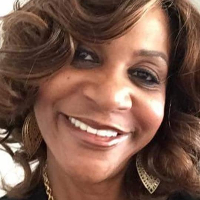
Celeste Bozeman
LPCCOhio · 18 yrs exp
Empathetic, practical counseling for life changes
Stress, Anxiety · Trauma and abuse · Grief · Anger · +11 more
Read profileTherapist listings are provided by BetterHelp. We will earn a commission at no additional cost to you if you use our links to purchase.
Browse profiles of therapists listed in Ohio who include aging and later-life concerns among their focus areas. Compare focus areas, therapeutic approaches, languages and academic credentials to find profiles that match your needs.
Use the listing grid to narrow options and read individual profiles carefully before reaching out to a clinician.
Ohio · 18 yrs exp
Empathetic, practical counseling for life changes
Stress, Anxiety · Trauma and abuse · Grief · Anger · +11 more
Read profile
Ohio · 33 yrs exp
Compassionate counselor for life transitions
Stress, Anxiety · Family · Trauma and abuse · Self esteem · +12 more
Read profile
Ohio · 20 yrs exp
Compassionate counselor for life transitions
Stress, Anxiety · Addictions · Relationship · Family · +15 more
Read profile
Ohio · 17 yrs exp
Practical, respectful therapy for life transitions
Stress, Anxiety · Family · Parenting · Depression · +12 more
Read profile
Ohio · 11 yrs exp
Compassionate, practical support for life transitions
Stress, Anxiety · Grief · Self esteem · Depression · +10 more
Read profile
Ohio · 14 yrs exp
Practical, respectful therapy for life changes
Stress, Anxiety · Addictions · Relationship · Family · +9 more
Read profile
Ohio · 13 yrs exp
Compassionate, practical therapy for life transitions
Stress, Anxiety · Depression · Coping with life changes · Addictions · +8 more
Read profile
Ohio · 33 yrs exp
Supportive LPCC focused on practical change
Stress, Anxiety · LGBT · Family · Trauma and abuse · +15 more
Read profile
Ohio · 20 yrs exp
Compassionate, practical therapy for life transitions
Stress, Anxiety · Addictions · Relationship · Trauma and abuse · +15 more
Read profile
Ohio · 24 yrs exp
Compassionate care for major life transitions
Stress, Anxiety · Trauma and abuse · Grief · Depression · +10 more
Read profile
Ohio · 8 yrs exp
Compassionate care for life transitions
Stress, Anxiety · Relationship · Grief · Self esteem · +12 more
Read profile
Ohio · 20 yrs exp
Supportive Ohio LISW focused on life change
Stress, Anxiety · Relationship · Grief · Depression · +7 more
Read profile
Ohio · 36 yrs exp
Compassionate, structured therapy for life transitions
Stress, Anxiety · Self esteem · Depression · Coaching · +15 more
Read profile
Ohio · 29 yrs exp
Compassionate counselor for life transitions
Stress, Anxiety · Addictions · Relationship · Depression · +1 more
Read profile
Ohio · 20 yrs exp
Calm, practical counseling for everyday struggles
Stress, Anxiety · Relationship · Self esteem · Depression · +7 more
Read profile
Ohio · 4 yrs exp
Compassionate support for life transitions
Stress, Anxiety · Trauma and abuse · Grief · Depression · +1 more
Read profile
Ohio · 13 yrs exp
Compassionate counseling for life transitions
Stress, Anxiety · Trauma and abuse · Self esteem · Depression · +1 more
Read profile
Ohio · 14 yrs exp
Support for adults facing stress and life change
Stress, Anxiety · Addictions · Relationship · Self esteem · +1 more
Read profile
Ohio · 27 yrs exp
Compassionate LPCC focused on adult transitions
Stress, Anxiety · Relationship · Grief · Self esteem · +1 more
Read profile
Ohio · 10 yrs exp
Warm, practical support for life changes
Stress, Anxiety · Grief · Depression · Coping with life changes · +1 more
Read profile
Ohio · 36 yrs exp
A steady, practical counselor for life’s challenges
Stress, Anxiety · Relationship · Trauma and abuse · Self esteem · +1 more
Read profile
Ohio · 25 yrs exp
Empathy, practical tools, steady support
Stress, Anxiety · LGBT · Relationship · Self esteem · +16 more
Read profile
Ohio · 20 yrs exp
Mindful, practical support for life changes
Stress, Anxiety · Trauma and abuse · Grief · Anger · +11 more
Read profile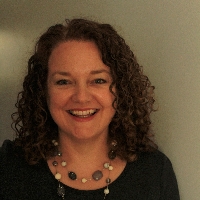
Ohio · 15 yrs exp
Guided support for life transitions
Stress, Anxiety · Addictions · Family · Self esteem · +11 more
Read profileLater life often brings a mix of transitions that can affect your mood, relationships and daily routine. You may be navigating retirement or a change in work identity, adjusting to health changes that alter independence, grieving the loss of friends or a partner, coping with loneliness, or balancing caregiving responsibilities for a spouse, partner or older relative. Family relationships can shift as roles change and practical decisions need to be made, and you may be re-evaluating meaning and purpose after major life milestones. Therapy can be a space to talk through these experiences and to clarify priorities, but it is not a medical evaluation or a formal memory assessment. When you review Ohio profiles, think about the specific concerns you want to address and how you prefer to work - whether you are looking for someone who speaks your language, who mentions working with caregivers, or who lists life transitions or bereavement among their focus areas.
As you prepare to contact a profile, it can help to note concrete goals you want to explore. Are you hoping to improve daily routines, find ways to cope with loneliness, manage stress related to caregiving, or repair strained family relationships? Having a sense of priorities will make it easier to compare profiles and to ask focused questions about a clinician’s approach and experience.
This directory groups profiles under the listed location Ohio, but that does not guarantee an office address, physical proximity, eligibility for every resident, or an active license in that location. A profile may show Ohio as a listed location while the clinician works from elsewhere or offers online services across state or national lines. You should check the individual profile and confirm permission to work together where you live before engaging with a therapist.
Credentials on profiles may include academic degrees such as PhD, PsyD, MD, MA or MSW. These indicate educational qualifications but do not by themselves show current permission to practice. In the United States many clinicians hold state professional licenses; in the United Kingdom clinicians may be registered or hold membership in professional bodies; in Australia clinicians may be registered or be members of professional associations. Because terminology and regulation vary, you can use the profile to identify listed credentials and then follow up directly to verify whether someone has the appropriate registration or license to work with you in Ohio or in your country of residence.
When you contact a profile, having a set of concrete questions will help you learn how a therapist works with later-life issues. Ask how they describe their approach to concerns like grief, retirement adjustment, caregiver stress or changing family roles. Instead of assuming training, you might say: "Which therapeutic approaches do you use and how have you worked with people navigating retirement or loss?" If you see approaches listed on the profile, for example cognitive behavioral methods, narrative approaches, life review or mindfulness, ask how those approaches are applied in later-life contexts and whether the therapist routinely works with people in situations like yours.
It is reasonable to ask about clinical experience without requesting details that would be inappropriate for a listing. You could ask: "Can you tell me about your experience supporting older adults or caregivers?" or "How do you involve family members when caregiving or family decisions are part of the work?" If language or cultural background matters to you, ask which languages are offered and how cultural differences are addressed. Remember to inquire about the therapist's geographic permission to practice by asking directly whether they have current permission to work together where you live.
If you are considering online or remote sessions with a clinician listed under Ohio, it helps to discuss practical and safety-related topics before you begin. Confirm whether the therapist can legally provide services to someone living in your state or country, and whether they have processes for emergencies or urgent concerns given your location. Talk about the technology platform they use and what to do if a connection drops, whether sessions are recorded and how recordings are handled, and what kinds of equipment or privacy measures you might need at home to make sessions productive.
You should also discuss expectations about participation. If family members, a caregiver or an interpreter will be present, ask how that is typically arranged and how consent and boundaries are managed. Clarify scheduling preferences, cancellation policies as stated on the profile or by the clinician, and how progress is reviewed. These conversations help set realistic expectations and make it easier to assess whether the clinician’s working style fits your needs while also ensuring that they have permission to provide care where you live.
When you look across profiles, compare concrete elements rather than making assumptions. Look for the focus areas that match your priorities - such as bereavement, caregiver stress, social isolation, retirement transition or meaning-focused conversations. Note which clinicians list the specific concerns you want to address and how they describe their work with those topics. If a particular therapeutic approach appears, remember that profiles record what a clinician lists, so you might say: "I noticed you list cognitive behavioral approaches - how might that look for someone dealing with late-life anxiety or loss?"
Language and cultural fit are practical comparison points. If you prefer sessions in a language other than English, search profiles that mention those languages and ask about cultural competence and experience with your community. For credentials, distinguish academic degrees from professional permission to practice. A PhD or MSW indicates a degree, while licensing, registration or professional membership indicate regulatory or professional oversight in a jurisdiction. Ask whether the clinician has the right authorization to work with clients in Ohio or your region. Finally, consider style and tone described on profiles - some clinicians emphasize conversational life review and meaning-making, others emphasize skill-based coping strategies or caregiver-focused planning. Think about which tone would feel most comfortable and ask questions that help you compare how each clinician would approach the specific concerns you brought up.
Use the listing grid to narrow options and then read individual profiles closely. Profiles are a starting point for comparison, not a guarantee of suitability. Before you commit to a first conversation, check the individual profile and confirm permission to work together where you live. Prepare a brief summary of your priorities and a few focused questions about approach, language and geographic authorization to help the initial conversation stay on track.
Searching for a therapist in Ohio for aging and later-life concerns can feel overwhelming, but approaching profiles with clear criteria - focus areas, approaches listed, languages, academic degrees and regulatory status - helps you make an informed choice about who to contact. Take your time to compare and to ask direct questions; that will give you a stronger sense of whether a therapist's profile aligns with your needs and preferences.
Chronic Illness
2666 therapists
Depression
5400 therapists
Grief
4881 therapists
Guilt and Shame
4692 therapists
Isolation / Loneliness
4738 therapists
Mood Disorders
3731 therapists
Self Esteem
5229 therapists
Sleeping Disorders
2080 therapists
Stress & Anxiety
5759 therapists
Trauma and Abuse
4612 therapists
Aging and Geriatric Issues
6041 therapists
Caregiver Issues and Stress
4532 therapists
Compassion Fatigue
3394 therapists
Coping with Life Changes
5135 therapists
Divorce
4056 therapists
Family
4349 therapists
Family of Origin Issues
3144 therapists
Forgiveness
4451 therapists
Hospice and End-of-Life Counseling
2913 therapists
Life Purpose
4904 therapists
Money and Financial Issues
2512 therapists
Relationship
4966 therapists