
Amanda Bouvier
BACPUnited Kingdom · 15 yrs exp
Compassionate counsellor for life transitions and grief
Stress, Anxiety · Family · Grief · Depression · +12 more
Read profileTherapist listings are provided by BetterHelp. We will earn a commission at no additional cost to you if you use our links to purchase.
This page groups profiles under the listed location United Kingdom for therapists who list aging and later-life concerns. Compare focus areas, approaches, credentials and languages, then browse profiles to learn more and contact individual practitioners.
United Kingdom · 15 yrs exp
Compassionate counsellor for life transitions and grief
Stress, Anxiety · Family · Grief · Depression · +12 more
Read profile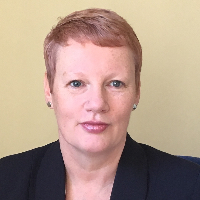
United Kingdom · 20 yrs exp
Experienced counsellor for life changes
Relationship · Family · Trauma and abuse · Grief · +10 more
Read profile
United Kingdom · 14 yrs exp
Warm, person-centred counsellor
Stress, Anxiety · Relationship · Grief · Parenting · +13 more
Read profile
United Kingdom · 6 yrs exp
Compassionate counsellor for life transitions
Relationship · Trauma and abuse · Grief · Self esteem · +15 more
Read profile
United Kingdom · 20 yrs exp
Experienced counsellor for life changes and relationships
Stress, Anxiety · Relationship · Family · Trauma and abuse · +9 more
Read profile
United Kingdom · 4 yrs exp
Compassionate, practical counselling for everyday life
Stress, Anxiety · Relationship · Trauma and abuse · Self esteem · +16 more
Read profile
United Kingdom · 15 yrs exp
Compassionate, values-led counselling for adults
Stress, Anxiety · Relationship · Grief · Self esteem · +13 more
Read profile
United Kingdom · 27 yrs exp
Experienced counsellor for relationships and grief
Stress, Anxiety · Relationship · Grief · Intimacy-related issues · +13 more
Read profile
United Kingdom · 7 yrs exp
Compassionate, practical therapy for life changes
Stress, Anxiety · Grief · Career · Compassion fatigue · +16 more
Read profile
United Kingdom · 18 yrs exp
Empathic person-centred counsellor with practical CBT
Stress, Anxiety · Relationship · Trauma and abuse · Depression · +12 more
Read profile
United Kingdom · 3 yrs exp
Person-centred counsellor with nursing background
Stress, Anxiety · Relationship · Anger · Self esteem · +11 more
Read profile
United Kingdom · 20 yrs exp
Compassionate counsellor for life changes
Relationship · Family · Grief · Depression · +14 more
Read profile
United Kingdom · 11 yrs exp
Gentle person-centred support for life changes
Stress, Anxiety · Relationship · Family · Self esteem · +14 more
Read profile
United Kingdom · 4 yrs exp
A warm person-centred counsellor with practical focus
Stress, Anxiety · Trauma and abuse · Grief · Parenting · +13 more
Read profile
United Kingdom · 15 yrs exp
Integrative counsellor for life transitions
Stress, Anxiety · Relationship · Trauma and abuse · Self esteem · +16 more
Read profile
United Kingdom · 5 yrs exp
Compassionate counselling with practical focus
Stress, Anxiety · Relationship · Family · Trauma and abuse · +15 more
Read profile
United Kingdom · 7 yrs exp
Practical, person-centred therapy for life changes
Stress, Anxiety · LGBT · Family · Intimacy-related issues · +15 more
Read profile
United Kingdom · 20 yrs exp
Experienced person-centred counsellor for life changes
Addictions · Relationship · Trauma and abuse · Self esteem · +12 more
Read profile
United Kingdom · 5 yrs exp
Counsellor focusing on anxiety and life changes
Stress, Anxiety · Addictions · Grief · Self esteem · +16 more
Read profile
United Kingdom · 6 yrs exp
Experienced client-centred counsellor for life changes
Stress, Anxiety · Relationship · Parenting · Depression · +12 more
Read profile
United Kingdom · 8 yrs exp
Gentle, practical support for life changes
Stress, Anxiety · Relationship · Parenting · Career · +16 more
Read profile
United Kingdom · 5 yrs exp
Calm person-centred counsellor for life transitions
Stress, Anxiety · Trauma and abuse · Self esteem · Depression · +11 more
Read profile
United Kingdom · 7 yrs exp
Practical, person-focused counselling for life challenges
Stress, Anxiety · LGBT · Relationship · Depression · +11 more
Read profile
United Kingdom · 20 yrs exp
Compassionate, practical counselling for life changes
Stress, Anxiety · Trauma and abuse · Grief · Anger · +13 more
Read profileAs you or a loved one move through later stages of life, a range of changes can prompt the search for support. Retirement can shift daily routine and personal identity, health changes can alter independence and plans, and bereavement or other losses can reshape relationships and priorities. Loneliness and reduced social networks are common themes, as are changing caregiving roles when you or a family member becomes responsible for support. Family dynamics often come under strain when practical care, financial decisions or differing expectations about ageing arise. Many people also revisit questions of meaning and purpose when roles change or life events prompt reflection.
When you look at profiles, you will see therapists who list these kinds of later-life concerns among their focus areas. Profiles may also mention approaches they use and the kinds of client issues they commonly work with. Keep in mind that a profile listing does not mean a therapist offers medical assessments or specialist dementia-care services. If memory or medical assessment is an issue, you will need to consult appropriate healthcare services in addition to talking with a therapist about emotional impact and coping. Use the information in profiles to identify practitioners who describe experience with the matters that matter to you and then contact them directly to discuss fit.
Profiles on this site are grouped by the listed location United Kingdom, which helps you find practitioners who indicate a connection to that area. A listed location does not itself indicate an office address, physical proximity, or legal permission to practise in every part of the country. Look at each profile for details about where a practitioner works and any notes about remote or in-person practice. Always confirm directly with the practitioner whether they can work with you where you live before making plans.
When you consider professional credentials, distinguish academic degrees from professional registration or membership. Degrees such as PhD, PsyD, MD, MA and MSW describe academic training; a degree alone does not establish ongoing permission to practise. In the United Kingdom, some clinicians may be registered with regulatory bodies such as the Health and Care Professions Council for applicable professions, and counsellors or psychotherapists may hold membership of professional associations like the British Association for Counselling and Psychotherapy or be chartered by the British Psychological Society. Profiles may list both degrees and memberships. Ask a practitioner about their current registration, membership or professional obligations and what that means for their practice.
Before you decide to contact someone, it helps to have specific questions you can use to compare profiles and begin a conversation. Ask whether the therapist has direct experience with the issues you are facing - for example, transitions to retirement, adjusting to health-related limitations, complicated bereavement, supporting a family member with care needs or managing loneliness and social isolation. Ask how they typically work with adult children who are supporting an older relative and what they consider when helping people maintain dignity and autonomy. If family relationships are central, ask how they involve relatives or set boundaries in those conversations.
Also ask about the approaches they list on their profile. Therapists who list EMDR among their approaches are different from those who note psychodynamic work, narrative approaches, cognitive behavioural methods, or other orientations. Use phrasing like "I see you list X among your approaches - how do you use that when working with later-life issues?" That way you get a practical sense of how theory translates into the sessions. Avoid assuming training or certification from a list; instead ask how long they have used an approach, what kinds of situations they find it helpful for, and what alternatives they might offer if an approach does not feel right to you.
Many people look for support remotely for convenience, mobility or distance reasons. If you are considering an online or telephone relationship, discuss practical matters up front. Check whether the practitioner is able to work with you where you live and whether their professional membership or registration permits remote work across the jurisdictions relevant to your situation. Ask what platform or means they use for sessions and how they handle scheduling and cancellations. Enquire about how records are kept and who has access to them. These are practical arrangements that affect how you will interact over time, so it is helpful to have clear expectations before you begin.
Talk about boundaries and emergency planning. Ask how the therapist suggests you handle urgent emotional crises between sessions and whether they can provide local resources or referrals if you need immediate in-person support. Discuss whether the practitioner involves family members in sessions if that is something you want, and how information-sharing boundaries and information-sharing are usually handled in family or carer sessions. Clarifying these points helps you understand the working relationship and ensures you both have a shared sense of how to proceed safely and respectfully.
When you are reviewing profiles on SeniorsTherapists.com, compare what matters most to you. Focus areas show the concerns a practitioner lists, such as retirement transition, grief and loss, caregiving stress, loneliness or relationship work in later life. If language is important, look for profiles that list the languages spoken so you can communicate comfortably. Credentials and professional memberships give a sense of background, but remember to ask about what those credentials mean in practice and whether the practitioner maintains membership or registration currently.
Consider asking concrete questions that reveal therapeutic style. For example, you might ask whether a therapist tends to take a practical problem-solving approach, a reflective exploratory approach, or a blend of conversation and skills work. Ask how they typically structure sessions for people adjusting to major life changes and what short-term and longer-term goals they discuss. If you prefer an approach that is non-directive or one that includes structured exercises, say so and ask how they adapt their work to different preferences. Finally, verify any statements on a profile about the kinds of clients they work with - a listed topic does not establish that the therapist treats children, couples or families, so make sure to discuss your specific needs and the therapist's actual scope directly.
Using these sections as a guide will help you move from browsing to a focused conversation with a practitioner. Start with profiles that describe experience with the issues that matter to you, note the qualifications and memberships you want to ask about, and prepare the concrete questions that open an honest conversation about approach, boundaries and practical arrangements. Confirm that the therapist can work with you where you live, then follow up with a direct exchange to decide whether to proceed. That process will help you find someone who is clear about their scope and who matches the kind of support you are seeking.
Chronic Illness
2666 therapists
Depression
5400 therapists
Grief
4881 therapists
Guilt and Shame
4692 therapists
Isolation / Loneliness
4738 therapists
Mood Disorders
3731 therapists
Self Esteem
5229 therapists
Sleeping Disorders
2080 therapists
Stress & Anxiety
5759 therapists
Trauma and Abuse
4612 therapists
Aging and Geriatric Issues
6041 therapists
Caregiver Issues and Stress
4532 therapists
Compassion Fatigue
3394 therapists
Coping with Life Changes
5135 therapists
Divorce
4056 therapists
Family
4349 therapists
Family of Origin Issues
3144 therapists
Forgiveness
4451 therapists
Hospice and End-of-Life Counseling
2913 therapists
Life Purpose
4904 therapists
Money and Financial Issues
2512 therapists
Relationship
4966 therapists