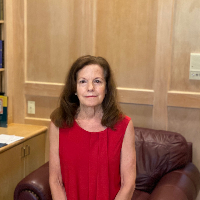
Ilene Liner
LMHCMassachusetts · 25 yrs exp
Experienced counselor focused on practical change
Stress, Anxiety · Relationship · Family · Self esteem · +14 more
Read profileTherapist listings are provided by BetterHelp. We will earn a commission at no additional cost to you if you use our links to purchase.
This page groups profiles with a Massachusetts listed location whose clinicians note aging and later-life concerns among their focus areas. Use the profile details to compare focus areas, academic degrees, professional registrations or licenses, languages and therapeutic approaches, then browse profiles below.
Massachusetts · 25 yrs exp
Experienced counselor focused on practical change
Stress, Anxiety · Relationship · Family · Self esteem · +14 more
Read profile
Massachusetts · 18 yrs exp
Compassionate, practical therapy for life's challenges
Stress, Anxiety · Relationship · Family · Trauma and abuse · +12 more
Read profile
Massachusetts · 20 yrs exp
Compassionate guidance through life's transitions
Stress, Anxiety · Self esteem · Career · Depression · +11 more
Read profile
Massachusetts · 40 yrs exp
Compassionate social worker with long clinical experience
Stress, Anxiety · Addictions · LGBT · Relationship · +15 more
Read profile
Massachusetts · 30 yrs exp
Experienced clinician for life changes
Addictions · Family · Trauma and abuse · Grief · +16 more
Read profile
Massachusetts · 33 yrs exp
Lynda Ketcham, LICSW - Experienced midlife and aging support
Stress, Anxiety · Grief · Self esteem · Depression · +10 more
Read profile
Massachusetts · 22 yrs exp
Compassionate, practical therapy for life changes
Family · Trauma and abuse · Parenting · Bipolar · +14 more
Read profile
Massachusetts · 30 yrs exp
Supportive LICSW for life transitions
Relationship · Self esteem · Career · Coaching · +3 more
Read profile
Massachusetts · 26 yrs exp
Practical, experienced LICSW focused on daily coping
Relationship · Trauma and abuse · Anger · Self esteem · +10 more
Read profile
Massachusetts · 15 yrs exp
Supportive LMHC focused on practical change
Stress, Anxiety · Trauma and abuse · Depression · Addictions · +4 more
Read profile
Massachusetts · 23 yrs exp
Practical, affirming therapy for life changes
Addictions · LGBT · Relationship · Intimacy-related issues · +12 more
Read profile
Massachusetts · 40 yrs exp
Compassionate therapist for life transitions
Stress, Anxiety · Family · Grief · Parenting · +16 more
Read profile
Massachusetts · 28 yrs exp
Experienced LICSW focused on practical change
Stress, Anxiety · Relationship · Grief · Self esteem · +16 more
Read profile
Massachusetts · 25 yrs exp
Experienced LICSW helping adults through life changes
Stress, Anxiety · Grief · Depression · Coping with life changes · +5 more
Read profile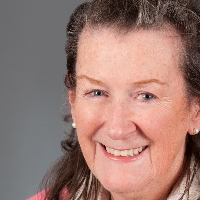
Massachusetts · 40 yrs exp
Experienced LICSW for life transitions
Stress, Anxiety · Relationship · Grief · Depression · +12 more
Read profile
Massachusetts · 27 yrs exp
Compassionate client-centered care with creative methods
Stress, Anxiety · Addictions · Relationship · Depression · +11 more
Read profile
Massachusetts · 22 yrs exp
Calm, collaborative therapy with an experienced LICSW
Stress, Anxiety · Self esteem · Bipolar · Depression · +10 more
Read profile
Massachusetts · 25 yrs exp
Calm, practical therapy for life transitions
Stress, Anxiety · Trauma and abuse · Self esteem · Career · +5 more
Read profile
Massachusetts · 15 yrs exp
Collaborative, strengths-focused clinical social worker
Grief · Self esteem · Depression · Coping with life changes · +6 more
Read profile
Massachusetts · 20 yrs exp
Calm, practical therapy for life transitions
Stress, Anxiety · Relationship · Family · Grief · +11 more
Read profile
Massachusetts · 25 yrs exp
Compassionate practical therapy for life transitions
Stress, Anxiety · Career · Depression · Coping with life changes · +9 more
Read profile
Massachusetts · 11 yrs exp
Gentle, practical therapy for lasting change
Relationship · Intimacy-related issues · Self esteem · Depression · +9 more
Read profile
Massachusetts · 40 yrs exp
Experienced counselor focusing on meaning and recovery
Stress, Anxiety · Addictions · Trauma and abuse · Self esteem · +8 more
Read profile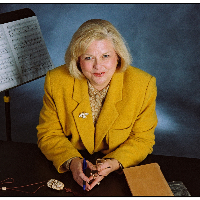
Massachusetts · 15 yrs exp
Experienced counselor blending practical and expressive methods
Stress, Anxiety · Grief · Depression · Coping with life changes · +12 more
Read profileLater life often brings transitions that matter to you emotionally and practically. Retirement may prompt questions about purpose and daily routine. Health changes - whether new diagnoses, mobility differences, or changing sleep and energy patterns - can shift how you experience independence and identity. Loss and bereavement are common topics, from mourning a spouse or friend to processing other kinds of endings. Loneliness and social isolation can feel especially intense when social circles narrow or when long-standing roles change.
You may also be juggling caregiving responsibilities for a partner, parent, or adult child while trying to maintain your own wellbeing. Family relationships that were stable for years sometimes become complicated by caregiving stress, estate decisions, or disagreements about support. Many people explore questions of meaning and legacy in later life - what matters now, how to repair or strengthen relationships, and how to find satisfying ways to spend time. Profiles on this Massachusetts page often list these focus areas, and seeing which clinicians mention caregiving support, bereavement, aging-related transitions, or life review can help you decide which profiles to read more carefully.
A listed location on a profile indicates that a clinician has identified Massachusetts as a place connected to their practice, but it is not proof of an office address, an active license in every state, or automatic eligibility to work with you. You should check each individual profile for the details the clinician provides and confirm directly with them that they have permission to work together where you live. For professionals in the United States, you will commonly see references to a professional license; for clinicians in the United Kingdom or Australia you may see terms such as registration, membership, or chartered status. These regional terms are not interchangeable, and a degree alone does not establish current permission to practice.
Academic degrees such as PhD, PsyD, MD, MA, or MSW describe the clinician's educational background. Those credentials are important to note, but degrees are distinct from current professional registration or licensing status. Profiles may include both degrees and the names of licensing bodies or registries; read those entries carefully and, if necessary, ask the clinician to clarify how their qualifications relate to the care they offer in Massachusetts. This step is especially important if you are seeking services across national borders or if you plan to meet online from a different state or country.
When you look through profiles, think about the kinds of experience and approaches that feel most relevant to your situation, and prepare direct questions you can ask a clinician. You might ask how often they work with people who are navigating retirement transitions, what kinds of support they have provided to adults in caregiving roles, or whether they have experience addressing grief and loss in later life. It is reasonable to ask about cultural competence and experience working with people of your background, as well as whether the clinician has worked with family dynamics similar to yours.
If a profile mentions specific approaches you are curious about, frame your question precisely. For example, you could ask how a clinician integrates a particular modality into sessions by saying "I see you list mindfulness and emotion-focused work among your approaches - how might those be used when someone is processing late-life loss or changing roles?" Similarly, you may encounter clinicians who list EMDR among their approaches; if that interests you, ask how they describe that approach in practice and whether they tailor it to later-life concerns. These conversations help you understand not only theoretical orientation but also how an approach might be adapted to your needs.
If you are considering online sessions with a clinician who has a Massachusetts listed location, there are practical and regulatory topics you should cover before beginning. Ask whether the clinician has permission to work with clients where you are physically located at the time of sessions, because rules differ between US states and between countries. Confirm how the clinician handles situations where emergency support might be needed, and ask what local resources they recommend in your area if you require face-to-face assistance.
Discuss technological needs so you know what to expect in terms of video platforms and what to do if a connection drops. Talk about how the clinician will protect the privacy of your conversations in the setting you plan to use, and ask how they handle records and documentation. It is also helpful to talk through session length and typical pacing for early sessions so you know what the initial weeks of working together might look like. These details do not guarantee any outcome, but they help you feel more informed and comfortable about the mechanics of starting care remotely.
Comparing clinician profiles means looking across several dimensions to find a fit for your needs. Start with the focus areas that matter most to you - whether it is bereavement, caregiving stress, retirement adjustment, relationship concerns, or questions of meaning. Read the language on profiles carefully; some clinicians describe long experience with later-life issues while others list those topics among many focus areas. That difference can guide whether you prioritize a clinician for a closer look.
Languages and communication style are also practical considerations. If you prefer to speak in a language other than English, see which profiles list additional languages. Think about the tone you want in sessions - some clinicians describe a collaborative, problem-solving style while others emphasize reflective, narrative, or supportive approaches. Because profiles will often list therapy approaches, use that language as a conversation starter rather than as definitive proof of training. For example, you might notice clinicians who list cognitive-behavioral approaches, narrative work, or mindfulness-based strategies, and then ask them how those approaches are adapted to later-life contexts.
When you compare credentials, keep degrees and registrations distinct in your mind. A PhD, PsyD, MD, MA, or MSW tells you about academic preparation, while references to a professional license, registration, or membership indicate regional permission to practice or professional affiliation. Be sure to ask each clinician to clarify how their educational background and their regulatory status relate to the services they offer in Massachusetts and, if relevant, whether they can work with you where you live. Finally, consider style and rapport as essential parts of fit. The language a clinician uses in their profile, the examples they offer of the kinds of work they do, and your initial conversation will help you judge whether their approach matches your expectations and needs.
Profiles on this Massachusetts page are a starting point. Review each profile carefully and reach out to clinicians with the specific questions above so you can confirm credentials, permissions to work together where you live, approach, and practical arrangements. Taking these steps will help you make an informed choice about which clinicians to explore further.
Chronic Illness
2666 therapists
Depression
5400 therapists
Grief
4881 therapists
Guilt and Shame
4692 therapists
Isolation / Loneliness
4738 therapists
Mood Disorders
3731 therapists
Self Esteem
5229 therapists
Sleeping Disorders
2080 therapists
Stress & Anxiety
5759 therapists
Trauma and Abuse
4612 therapists
Aging and Geriatric Issues
6041 therapists
Caregiver Issues and Stress
4532 therapists
Compassion Fatigue
3394 therapists
Coping with Life Changes
5135 therapists
Divorce
4056 therapists
Family
4349 therapists
Family of Origin Issues
3144 therapists
Forgiveness
4451 therapists
Hospice and End-of-Life Counseling
2913 therapists
Life Purpose
4904 therapists
Money and Financial Issues
2512 therapists
Relationship
4966 therapists