
Donald Henderson
LMHCIowa · 9 yrs exp
Compassionate practical support for life transitions
Trauma and abuse · Grief · Anger · Self esteem · +10 more
Read profileTherapist listings are provided by BetterHelp. We will earn a commission at no additional cost to you if you use our links to purchase.
Browse therapists listed in Iowa who note aging and later-life concerns among their focus areas. Compare profiles to see approaches, languages, academic degrees and professional credentials, then review individual profiles and confirm permission to work together where you live.
Iowa · 9 yrs exp
Compassionate practical support for life transitions
Trauma and abuse · Grief · Anger · Self esteem · +10 more
Read profile
Iowa · 31 yrs exp
Licensed social worker combining life experience and clinical methods
Addictions · LGBT · Trauma and abuse · Anger · +3 more
Read profile
Iowa · 17 yrs exp
Supportive counselor for stress and ADHD
Stress, Anxiety · Self esteem · Depression · Coping with life changes · +1 more
Read profile
Iowa · 5 yrs exp
Calm, practical therapy for life changes
Stress, Anxiety · Family · Trauma and abuse · Parenting · +12 more
Read profile
Iowa · 4 yrs exp
Practical support for stress and life changes
Stress, Anxiety · Grief · Self esteem · Coping with life changes · +1 more
Read profile
Iowa · 10 yrs exp
Compassionate care for life transitions
Stress, Anxiety · Trauma and abuse · Grief · Self esteem · +1 more
Read profile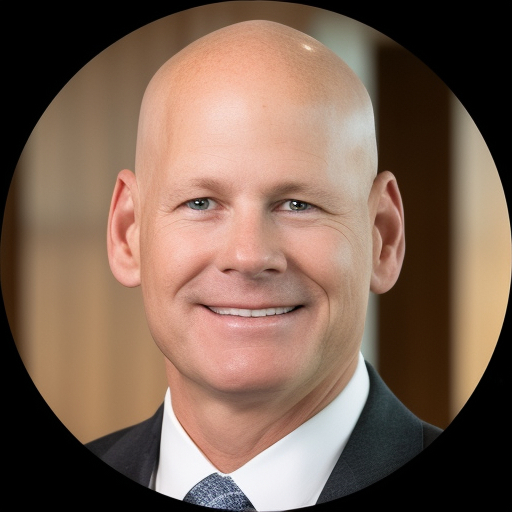
Iowa · 38 yrs exp
Experienced LISW focused on anxiety and depression
Stress, Anxiety · Relationship · Self esteem · Depression
Read profile
Iowa · 30 yrs exp
Experienced counselor for life transitions
Stress, Anxiety · Career · Depression · Coping with life changes · +1 more
Read profile
Iowa · 15 yrs exp
Compassionate support for life transitions
Stress, Anxiety · Addictions · Depression · Compassion fatigue
Read profile
Iowa · 15 yrs exp
Therapy grounded in strengths and life transitions
Stress, Anxiety · Grief · Self esteem · Coping with life changes · +14 more
Read profile
Iowa · 37 yrs exp
Experienced social worker focused on practical change
Stress, Anxiety · Addictions · Grief · Parenting · +11 more
Read profile
Iowa · 20 yrs exp
A pragmatic social worker for life transitions
Stress, Anxiety · Anger · Career · Depression · +10 more
Read profile
Iowa · 25 yrs exp
Practical, relationship-focused therapy for life changes
Stress, Anxiety · Relationship · Grief · Self esteem · +7 more
Read profile
Iowa · 6 yrs exp
Practical, compassionate counseling for life changes
Stress, Anxiety · Addictions · Trauma and abuse · Grief · +12 more
Read profile
Iowa · 7 yrs exp
Compassionate counseling with practical tools
Stress, Anxiety · Addictions · Trauma and abuse · Anger · +11 more
Read profile
Iowa · 18 yrs exp
Practical, person-centered care for life transitions
Stress, Anxiety · Family · Trauma and abuse · Self esteem · +14 more
Read profile
Iowa · 6 yrs exp
Compassionate counselor for life transitions
Stress, Anxiety · Trauma and abuse · Grief · Depression · +7 more
Read profile
Iowa · 14 yrs exp
Practical cognitive behavioral support for life changes
Stress, Anxiety · Addictions · Trauma and abuse · Self esteem · +13 more
Read profile
Iowa · 25 yrs exp
Experienced Iowa LMHC focused on practical change
Stress, Anxiety · Relationship · Anger · Depression · +1 more
Read profile
Iowa · 8 yrs exp
Hope-focused counselor guiding practical steps forward
Stress, Anxiety · Self esteem · Coping with life changes · Relationship · +3 more
Read profile
Iowa · 25 yrs exp
Compassionate social worker focusing on practical skills
Stress, Anxiety · Self esteem · Bipolar · Depression · +11 more
Read profile
Iowa · 9 yrs exp
Practical, compassionate counseling for life changes
Stress, Anxiety · LGBT · Trauma and abuse · Self esteem · +14 more
Read profile
Iowa · 16 yrs exp
Collaborative, experienced therapist for life changes
Addictions · Relationship · Trauma and abuse · Intimacy-related issues · +2 more
Read profile
Iowa · 4 yrs exp
Warm, practical social work for life transitions
Stress, Anxiety · Grief · Self esteem · Depression · +12 more
Read profileWhen you or someone you care about enters later life, priorities and daily routines often shift. Retirement can bring relief and new free time, but it may also trigger questions about purpose, routine, and financial adjustments. Health changes, whether gradual or sudden, affect mobility, energy, and the way you relate to others. Grief over losses - the death of friends or partners, changing roles, or the end of a career - can appear in unexpected ways and may take time to process. Loneliness is a frequent concern for people living alone or those whose social circles have shrunk, and caregiving responsibilities can add emotional and practical strain for adult children and spouses balancing multiple roles. Family relationships sometimes need renegotiation as roles change, and many people find themselves re-examining what gives their life meaning.
Therapy can be a place to explore transitions, day-to-day coping, and the relationships that matter most. When you look at therapist profiles, you will see different ways practitioners describe their work with later-life themes. Those descriptions can help you decide which profiles to read more closely and which questions to ask when you reach out.
The phrase listed location on a profile indicates the place the professional records for the directory. It does not by itself prove an office address, physical proximity, or automatic permission to practice where you live. For anyone considering working together, check each profile carefully for contact details and the professional information the clinician provides, and confirm directly that they are permitted to offer services in your state or country.
Profiles often display academic degrees such as PhD, PsyD, MD, MA, or MSW. Academic degrees describe completed education but are separate from professional permission to practice. In the United States, many practitioners hold licenses that indicate state-based permission to practice; you may see wording about licensing on a profile. In the United Kingdom and Australia, clinicians may be registered with a national regulator or hold membership in professional bodies. Registration or membership information is not the same as an academic degree. A degree alone does not establish current permission to practice. If verifying credentials is important to you, look for the terms a clinician uses on their profile and ask them directly about current registration or licensing and the jurisdictions where they may work.
Comparing approaches and experience helps you find a clinician whose style matches what you need. When you read a profile, note whether the clinician lists aging, bereavement, caregiving stress, retirement transition, or family dynamics among their focus areas. A useful way to compare is to prepare a few specific questions you can ask when you contact a clinician. For example, you might ask how long they have worked with people in later life and what kinds of later-life concerns they most often address. You can ask which approaches they list on their profile - for example, cognitive-behavioral strategies, life review, meaning-centered work, narrative approaches, mindfulness, or supportive therapies - and ask how they typically adapt those approaches for older adults or for someone in a caregiving role. It is appropriate to ask whether they have experience working with family members or adult children when care decisions are part of the conversation, and whether they routinely include family or caregivers in sessions.
Also consider questions about practical style. Ask how they describe their therapeutic stance - whether they are more oriented toward direct problem-solving, emotion-focused exploration, or collaborative planning - and whether that style tends to work better for short-term needs or longer-term support. These are concrete comparisons that help you see whether a clinician's profile aligns with what you expect from therapy.
If you are considering remote or online sessions, it helps to cover specific logistics and expectations up front. Confirm that the clinician is permitted to offer services in your state or country and discuss time zone differences if relevant. Talk about the technology you will use and whether the clinician has recommendations for devices or browsers that tend to work best. Arrange a brief test to make sure audio and video are comfortable for you, and discuss any adjustments you may need for hearing or vision differences, such as captioning, larger text, or turning off video if that feels easier.
You should also ask about privacy protections, record-keeping, and how notes or summaries are stored, and you can request clarification about communication between sessions - for instance, whether email or messaging is used and what to expect in terms of response times. If emergencies or urgent situations are a concern, ask how the clinician handles crisis planning and what local resources they recommend in your area. If a caregiver or family member will be involved in sessions or in supporting you between sessions, discuss how that involvement usually works and what consent is needed. These conversations help you set clear expectations and reduce surprises during early sessions.
When you compare profiles, look for language that addresses the specific concerns you have. If caregiving is a major part of your life, prioritize profiles that mention caregiving stress or family roles. If you are navigating retirement and meaning, find clinicians who name life transitions and purpose in later life. Note which clinicians list specific approaches; for example, you may see therapists who list narrative work, life review, meaning-oriented methods, or supportive psychotherapy among their approaches. Remember to think of those names as starting points for conversation rather than guarantees of training or outcomes, and when a profile lists a particular approach you value, ask the clinician how they apply it with later-life clients.
Languages spoken can be important for comfort and cultural nuance, so check profiles for language information and consider whether bilingual care would improve communication for you or a family member. Compare credentials by distinguishing academic degrees from professional licenses, registrations, or memberships. In the US context, licensing typically indicates state permission to practice. In the UK and Australia, look for registration or professional membership wording. If the profile does not make jurisdictional permissions clear, ask the clinician to confirm where they are authorized to work.
Finally, assess practice style through the way clinicians describe their work. Some profiles emphasize practical problem-solving and goals, while others highlight supportive listening, exploration of meaning, or family systems perspectives. Think about what feels most helpful to you and prepare a few targeted questions to bring into an initial conversation. Above all, verify the details that matter most - the listed location on a profile, credentials that relate to permission to practice, and whether the clinician is able to work with you where you live - before moving forward.
Chronic Illness
2666 therapists
Depression
5400 therapists
Grief
4881 therapists
Guilt and Shame
4692 therapists
Isolation / Loneliness
4738 therapists
Mood Disorders
3731 therapists
Self Esteem
5229 therapists
Sleeping Disorders
2080 therapists
Stress & Anxiety
5759 therapists
Trauma and Abuse
4612 therapists
Aging and Geriatric Issues
6041 therapists
Caregiver Issues and Stress
4532 therapists
Compassion Fatigue
3394 therapists
Coping with Life Changes
5135 therapists
Divorce
4056 therapists
Family
4349 therapists
Family of Origin Issues
3144 therapists
Forgiveness
4451 therapists
Hospice and End-of-Life Counseling
2913 therapists
Life Purpose
4904 therapists
Money and Financial Issues
2512 therapists
Relationship
4966 therapists