
L M (Loretta) Hartley-Bangs
LISW-CPSouth Carolina · 36 yrs exp
Practical support for life transitions
Stress, Anxiety · Addictions · Family · Trauma and abuse · +3 more
Read profileTherapist listings are provided by BetterHelp. We will earn a commission at no additional cost to you if you use our links to purchase.
Browse profiles of professionals listed for aging and later-life concerns in South Carolina. Compare focus areas, approaches, languages and credentials to help you choose who to contact.
Check each profile for details and confirm that a therapist can work with you where you live before making contact.
South Carolina · 36 yrs exp
Practical support for life transitions
Stress, Anxiety · Addictions · Family · Trauma and abuse · +3 more
Read profile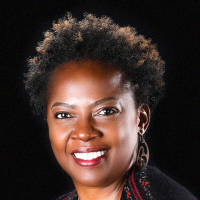
South Carolina · 8 yrs exp
Calm, practical support for life's hard changes
Stress, Anxiety · Relationship · Family · Coping with life changes · +11 more
Read profile
South Carolina · 8 yrs exp
Compassionate counseling focused on practical change
Stress, Anxiety · Trauma and abuse · Self esteem · Depression · +16 more
Read profile
South Carolina · 20 yrs exp
Compassionate counseling focused on real-life challenges
Stress, Anxiety · Relationship · Trauma and abuse · Anger · +11 more
Read profile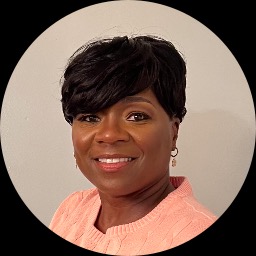
South Carolina · 16 yrs exp
Calm, practical support for life's challenges
Stress, Anxiety · Relationship · Family · Self esteem · +10 more
Read profile
South Carolina · 25 yrs exp
Direct therapist focused on purposeful change
Addictions · Relationship · Grief · Self esteem · +9 more
Read profile
South Carolina · 21 yrs exp
Experienced counselor focused on relationships and life changes
Relationship · Grief · Parenting · Depression · +14 more
Read profile
South Carolina · 20 yrs exp
Compassionate, practical support for life transitions
Stress, Anxiety · LGBT · Relationship · Family · +6 more
Read profile
South Carolina · 8 yrs exp
Practical support for life transitions and stress
Stress, Anxiety · Relationship · Self esteem · Depression · +10 more
Read profile
South Carolina · 15 yrs exp
Practical guidance for life transitions
Stress, Anxiety · Trauma and abuse · Self esteem · Coping with life changes · +7 more
Read profile
South Carolina · 5 yrs exp
Compassionate clinical social worker focused on practical change
Stress, Anxiety · Relationship · Trauma and abuse · Anger · +1 more
Read profile
South Carolina · 4 yrs exp
Compassionate counseling for life transitions
Stress, Anxiety · Anger · Self esteem · Career · +7 more
Read profile
South Carolina · 6 yrs exp
Compassionate support for people facing major life changes
Stress, Anxiety · Family · Trauma and abuse · Anger · +14 more
Read profile
South Carolina · 10 yrs exp
Practical support for relationship and loss
Relationship · Family · Trauma and abuse · Grief · +1 more
Read profile
South Carolina · 20 yrs exp
Calm, practical therapy for life changes
Relationship · Family · Parenting · Anger · +13 more
Read profile
South Carolina · 11 yrs exp
Practical, compassionate support for life changes
Stress, Anxiety · Grief · Self esteem · Depression · +1 more
Read profile
South Carolina · 10 yrs exp
Practical support for stress and life transitions
Stress, Anxiety · Addictions · Grief · Depression
Read profile
South Carolina · 4 yrs exp
Compassionate support for life transitions
Stress, Anxiety · Grief · Intimacy-related issues · Parenting · +12 more
Read profile
South Carolina · 32 yrs exp
Experienced counselor focusing on practical change
Stress, Anxiety · Trauma and abuse · Parenting · Self esteem · +1 more
Read profile
South Carolina · 4 yrs exp
Compassionate support for life transitions
Family · Trauma and abuse · Grief · Self esteem · +1 more
Read profile
South Carolina · 40 yrs exp
Compassionate guidance through life transitions
Stress, Anxiety · Intimacy-related issues · Self esteem · Depression · +1 more
Read profile
South Carolina · 3 yrs exp
Compassionate, practical help for life changes
Stress, Anxiety · Trauma and abuse · Self esteem · Depression · +1 more
Read profile
South Carolina · 16 yrs exp
Therapist focused on practical, compassionate change
Stress, Anxiety · Relationship · Family · Parenting · +14 more
Read profile
South Carolina · 25 yrs exp
Helping people move past past pain
Stress, Anxiety · Parenting · Self esteem · Depression · +7 more
Read profileAs you think about therapy in later life, you may be weighing changes that come with retirement, shifts in health, loss and evolving family roles. You might be navigating grief after the death of a partner, adjusting to a smaller social circle, or coping with the stress of taking on caregiving responsibilities for a spouse or aging parent. These experiences can affect mood, motivation and relationships, and they often raise questions about purpose and meaning. Therapy can be a place to explore those questions, to talk through practical decisions and to process emotions that come with transitions.
Adult children and other family members who support someone later in life often want guidance too. You may be juggling family dynamics, legal or financial conversations, and the logistics of day-to-day care while also trying to respect autonomy and dignity. When you look at profiles, consider which therapists list family relationships, caregiving roles or transitions as focus areas, and think about whether you need help with communication strategies, boundary setting or emotional support. Remember that a listed focus area is a topic a professional notes on their profile, not proof of any particular qualification or a guarantee of a specific service.
The directory groups profiles under the listed location South Carolina, but that does not necessarily mean an office is nearby or that every professional is authorized to work in every jurisdiction. You should check each profile for contact details and statements about where the therapist practices, then confirm directly that they have permission to work with you in your state or country. For professionals based outside the United States, terminology about registration or membership will differ from US licensing. In the United States, many clinicians will list state licenses such as LCSW, LPC or LMFT alongside academic degrees. In the United Kingdom, professionals may reference registration or membership with national regulatory bodies or professional associations. In Australia, therapists may note registration or membership with local organizations. Academic degrees like PhD, PsyD, MD, MA or MSW describe educational qualifications but do not by themselves indicate whether a person currently has permission to practice in a particular place.
When reading credentials on a profile, look for a clear statement about the clinician's current legal permission to provide care where you live. If that information is not present, ask directly. The same caution applies to approach descriptions on profiles - a therapist may list a particular method among their approaches, for example therapists who list EMDR among their approaches, but that listing does not mean universal use of that method or that training or certification claims apply. Ask for clarification about how a therapist uses specific approaches in work with people facing aging-related concerns.
Before you reach out, think about what matters most in a working relationship and prepare concrete questions. You might ask how a therapist typically supports someone coping with retirement transitions or the emotional impact of health changes. If relationships with adult children or caregiving dynamics are central, ask about experience helping families communicate across generations. Inquire whether the clinician has worked with people who have similar life circumstances to yours and what “experience” means in that context - years, types of issues, or particular populations. You can also ask how they approach culturally specific topics if cultural identity, language or faith traditions are important to you.
Ask about therapeutic style and session structure so you know what to expect in conversation. Some therapists emphasize practical problem solving and planning, while others focus on exploring meaning and personal history. You may prefer a therapist who regularly suggests exercises between sessions or one who centers reflective conversation. If a profile lists specific approaches, such as cognitive-behavioral techniques, narrative therapy, or therapists who list EMDR among their approaches, ask how those approaches might be adapted for later-life concerns rather than assuming a single method will be used. Also discuss whether the therapist works with family members or provides individual support only, since a listed topic does not establish work with couples or families unless the profile states it explicitly.
If you are considering remote sessions, make sure to discuss practical details that affect how comfortable you will feel. Talk about the technology platform the therapist uses, whether they have privacy safeguards for your personal information, and what to do if a connection is lost during a meeting. Make arrangements for a safe setting at your end of the call and, if helpful, decide who else will be present during sessions. Confirm how the therapist handles time zone differences and whether appointment times align with your schedule. Because professionals in this directory may be based in different countries, clarify where the clinician is located during sessions and confirm that they are permitted to provide services to people in your state or country.
You should also cover practical contingencies: how to reach someone between sessions in case of an urgent concern, what to do in a local emergency, and how cancellations or rescheduling are managed. Discussing these points upfront helps you set expectations around communication and safety. Remember to verify information stated on a profile and to ask for any clarifications in writing if that would be helpful to you.
When comparing profiles, read each description to see how a clinician frames their work with later-life issues. Focus areas tell you the topics a therapist pays attention to, but they do not tell you everything about how they work. Compare profiles for language offerings if you prefer to speak in a language other than English or if cultural familiarity matters. Profiles that list multiple languages or work with diverse communities may note those strengths in their descriptions. Consider credentials and how they are presented. A degree such as PhD or MSW indicates academic training, while mentions of licensing, registration or membership indicate different types of professional authorization depending on the country. Use those details as prompts for conversation rather than as the sole deciding factor.
Style and interpersonal fit are often the deciding factors for people choosing therapy. Look for wording that suggests a collaborative approach if you want practical problem solving, or wording that signals reflective and exploratory work if you are seeking to process loss or search for meaning. Think about logistics such as whether a clinician offers remote sessions, the languages they use, and whether they describe experience with family systems or caregiving issues. Finally, reach out to a few profiles that seem like a match and ask clear questions about their work with later-life concerns, then confirm directly that they can work with you in your location before moving forward.
Chronic Illness
2666 therapists
Depression
5400 therapists
Grief
4881 therapists
Guilt and Shame
4692 therapists
Isolation / Loneliness
4738 therapists
Mood Disorders
3731 therapists
Self Esteem
5229 therapists
Sleeping Disorders
2080 therapists
Stress & Anxiety
5759 therapists
Trauma and Abuse
4612 therapists
Aging and Geriatric Issues
6041 therapists
Caregiver Issues and Stress
4532 therapists
Compassion Fatigue
3394 therapists
Coping with Life Changes
5135 therapists
Divorce
4056 therapists
Family
4349 therapists
Family of Origin Issues
3144 therapists
Forgiveness
4451 therapists
Hospice and End-of-Life Counseling
2913 therapists
Life Purpose
4904 therapists
Money and Financial Issues
2512 therapists
Relationship
4966 therapists