
Donna Camerota
LCSWConnecticut · 24 yrs exp
Practical support for life transitions and caregiving
Stress, Anxiety · Relationship · Grief · Self esteem · +11 more
Read profileTherapist listings are provided by BetterHelp. We will earn a commission at no additional cost to you if you use our links to purchase.
Looking for help with aging and later-life concerns in Connecticut? Use these profiles to compare therapists by focus areas, therapeutic approaches, credentials, languages and practice style, then browse individual profiles to find someone who might fit your needs.
Connecticut · 24 yrs exp
Practical support for life transitions and caregiving
Stress, Anxiety · Relationship · Grief · Self esteem · +11 more
Read profile
Connecticut · 22 yrs exp
Experienced LMFT focused on practical change
Stress, Anxiety · LGBT · Relationship · Family · +12 more
Read profile
Connecticut · 9 yrs exp
Calm, relationship-focused therapy for life changes
Stress, Anxiety · Relationship · Trauma and abuse · Parenting · +10 more
Read profile
Connecticut · 26 yrs exp
Compassionate support for adult life challenges
Stress, Anxiety · Relationship · Trauma and abuse · Self esteem · +14 more
Read profile
Connecticut · 13 yrs exp
Compassionate counseling for life transitions
Stress, Anxiety · Relationship · Family · Grief · +1 more
Read profile
Connecticut · 11 yrs exp
Compassionate LCSW for life transitions and aging
Stress, Anxiety · Relationship · Family · Grief · +12 more
Read profile
Connecticut · 40 yrs exp
Compassionate, practical counseling for life challenges
Stress, Anxiety · Addictions · LGBT · Trauma and abuse · +1 more
Read profile
Connecticut · 5 yrs exp
Practical support for anxiety and life change
Stress, Anxiety · Relationship · Trauma and abuse · Depression · +1 more
Read profile
Connecticut · 11 yrs exp
Compassionate therapist for life transitions
Stress, Anxiety · Parenting · Self esteem · Depression · +16 more
Read profile
Connecticut · 25 yrs exp
Compassionate guidance through life transitions
LGBT · Grief · Coping with life changes · Compassion fatigue · +5 more
Read profile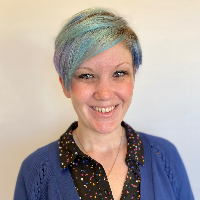
Connecticut · 3 yrs exp
Supportive client-centered care for life transitions
Stress, Anxiety · LGBT · Trauma and abuse · Grief · +12 more
Read profile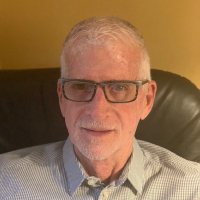
Connecticut · 20 yrs exp
Compassionate, practical therapy for adults
Addictions · LGBT · Self esteem · Coping with life changes · +9 more
Read profile
Connecticut · 28 yrs exp
Experienced Connecticut LCSW focusing on practical support
Stress, Anxiety · Relationship · Trauma and abuse · Intimacy-related issues · +6 more
Read profile
Connecticut · 24 yrs exp
Practical mental health support for life changes
Stress, Anxiety · Relationship · Family · Self esteem · +10 more
Read profile
Connecticut · 15 yrs exp
Compassionate, practical support for life transitions
Trauma and abuse · Grief · Anger · Career · +1 more
Read profile
Connecticut · 40 yrs exp
Experienced LCSW blending talk therapy and breath work
Relationship · Trauma and abuse · Self esteem · Depression · +6 more
Read profile
Connecticut · 5 yrs exp
Practical support for mood and relationship challenges
Stress, Anxiety · Trauma and abuse · Grief · Bipolar · +9 more
Read profile
Connecticut · 10 yrs exp
Compassionate, practical therapy for life transitions
Stress, Anxiety · Family · Trauma and abuse · Grief · +12 more
Read profile
Connecticut · 31 yrs exp
Compassionate, practical therapy for midlife change
Stress, Anxiety · Relationship · Trauma and abuse · Depression · +14 more
Read profile
Connecticut · 9 yrs exp
Compassionate practical therapy for life and relationship change
Relationship · Trauma and abuse · Grief · Depression · +11 more
Read profile
Connecticut · 18 yrs exp
Supportive LCSW focused on practical change
Stress, Anxiety · Grief · Depression · Addictions · +8 more
Read profile
Connecticut · 13 yrs exp
Straightforward, compassionate counseling
Stress, Anxiety · Addictions · Anger · Self esteem · +12 more
Read profile
Connecticut · 20 yrs exp
Compassionate, practical support for life transitions
Stress, Anxiety · Depression · Relationship · Grief · +6 more
Read profile
Connecticut · 14 yrs exp
Calm practical support for life transitions
Stress, Anxiety · Addictions · Relationship · Self esteem · +9 more
Read profileAs you move through retirement transitions, health changes, loss of friends or partners, shifts in family roles, or questions about purpose, you may find that talking with a mental health professional helps you sort priorities and make decisions. Adult children and other family supporters often look for guidance about how to be present without taking over, how to support a parent who is grieving, or how to manage the emotional workload of caregiving. Loneliness and changes in social networks are frequent themes, as are questions about identity after a long career, practical worries about finances and housing, and spiritual or existential concerns about meaning in later life.
You do not need to be facing a medical diagnosis to seek support. Some people come because they want to build resilience for future changes, others because a recent event - such as bereavement, a move, or a drop in mobility - has made daily life feel harder. A therapist can help you clarify what matters most and develop ways to manage stress, communicate with family members, and maintain what gives you joy. When you read profiles, look for the focus areas and life stages that match what you are experiencing so you can start conversations with a clinician who understands your priorities.
This page groups profiles under the listed location Connecticut, but that grouping does not by itself confirm an office address or permission to provide care where you live. Profiles may describe a clinician's base or the places they list, and many professionals also offer remote sessions that cross state or national lines. Because licensing, registration, and membership rules vary, you should check each individual profile and confirm directly whether the clinician can work with you in your jurisdiction.
Be cautious when reading academic degrees and professional credentials. Degrees such as PhD, PsyD, MD, MA, and MSW indicate educational background. A degree is not the same as a license or registration and does not by itself show current legal permission to practice. In the United States, mental health professionals commonly hold state licenses that specify the kinds of services they are authorized to provide; in the United Kingdom and Australia, professionals may list registration, professional membership, or other local credentials. Profiles may list degrees, licenses, registrations, or memberships, and it is reasonable to ask a clinician to clarify what those credentials mean for the services they offer where you live.
When you click through to a profile, look for information about the clinician's approach and the populations they mention. Therapists often list multiple approaches; for example, you may find clinicians who list EMDR among their approaches or who describe psychodynamic, cognitive-behavioral, narrative, or person-centered orientations. None of these labels guarantees a particular outcome, but they give you topics to discuss. You might ask how the clinician typically works with someone facing retirement adjustment, grief, or family caregiving stress. A practical way to compare profiles is to prepare three focused questions you want answered before you speak with a clinician.
Examples of comparison questions include: How do you typically support someone coping with loss or major life transitions? What experience do you have working with family caregivers and the communication challenges they face? Which languages do you use in sessions, and how do you adapt when a family member wants to join an appointment? You can also ask about the clinician's experience with age-related life questions rather than medical diagnoses. These concrete queries help you see how the clinician frames their work and whether their style fits what you want.
If you plan to work online, talk with a clinician about practicalities as well as therapeutic aims. Discuss the technology you will use, what happens if a session drops or if you have difficulty hearing, and how the clinician makes accommodations for mobility, vision, or hearing needs. Ask where the clinician will be located during sessions and whether they have permission to provide services to someone in your state or country. If you prefer meeting in a personal office, ask about setting and accessibility, including parking and entrance options.
It is also important to discuss boundaries around family involvement. If you want a family member present for some conversations, outline your expectations and ask how the clinician manages family sessions while keeping your goals central. Talk about what to do in an emergency or crisis, and make sure you and the clinician agree on a plan that fits your local services. These conversations help you evaluate whether the logistics and working style will support your comfort and sense of safety in sessions.
Profiles offer several signals you can use to narrow choices. Focus areas show what clinicians commonly mention in their work - for instance, retirement transition, bereavement, caregiving stress, loneliness, or meaning and life review. Use those phrases as a starting point, and read each clinician's description to see how they describe their interest or experience. Languages listed on a profile matter if you prefer to talk in a language other than English; language ability affects nuance, cultural references, and rapport, so give it weight in your comparisons.
Credentials and degrees appear on profiles but mean different things depending on where the clinician practices. Treat academic degrees as background information, and look for statements about the kinds of permission the clinician holds to practice in a particular place. Style is harder to quantify but often described in a profile's tone - some clinicians emphasize practical problem-solving, others emphasize exploration of meaning and life story, and some combine approaches. Read sample descriptions and imagine a session with the tone you see; if you like a reflective, narrative style or a pragmatic, skills-focused approach, include that in your comparison questions.
When you are ready to reach out, mention the specific focus area you want to address and ask the clinician to explain how they typically work with that issue. Remember that a listed topic does not establish that a clinician treats children, couples, or families, so if that matters to you, raise it directly. Confirm whether the clinician has permission to work with you where you live and what languages they can use. These steps make it easier to find a match for your situation in Connecticut, whether you are an older adult seeking support or a family member helping someone you care about.
Chronic Illness
2666 therapists
Depression
5400 therapists
Grief
4881 therapists
Guilt and Shame
4692 therapists
Isolation / Loneliness
4738 therapists
Mood Disorders
3731 therapists
Self Esteem
5229 therapists
Sleeping Disorders
2080 therapists
Stress & Anxiety
5759 therapists
Trauma and Abuse
4612 therapists
Aging and Geriatric Issues
6041 therapists
Caregiver Issues and Stress
4532 therapists
Compassion Fatigue
3394 therapists
Coping with Life Changes
5135 therapists
Divorce
4056 therapists
Family
4349 therapists
Family of Origin Issues
3144 therapists
Forgiveness
4451 therapists
Hospice and End-of-Life Counseling
2913 therapists
Life Purpose
4904 therapists
Money and Financial Issues
2512 therapists
Relationship
4966 therapists