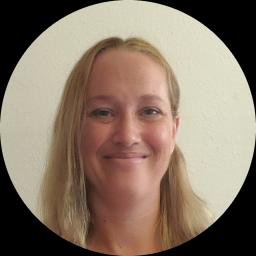
Caroline Roach, LCSW
Compassionate, strengths-based therapy for life transitions
Opens BetterHelp in a new tab, where you can review online therapy options.
At a glance
- Listed location
- Florida
- Experience
- 10+ years
- Credentials
- LCSW
- Languages
- English
- License (Florida)
- LCSW · No. Sw16203
- License (Maine)
- LCSW · No. LC24454
- NPI
- 1942818273
Copied as listed by the therapist. You can check a license with the state board and an NPI with the national registry.
- Strengths-focused care
- Practical coping tools
- Aging and caregiver issues
About Caroline
With ten years of experience, Caroline helps people cope with grief and loss, depression, trauma and abuse, stress, and anxiety. She also supports people managing attention and memory concerns such as ADHD, as well as issues related to sleep, anger, and self-esteem. Her practice includes work around relationships, career questions, and major life transitions.
Caroline uses Client-Centered Therapy to follow what matters most to each person and to build on existing strengths. She incorporates Cognitive Behavioral Therapy to identify unhelpful thoughts and change patterns that maintain distress. Mindfulness and Solution-Focused techniques are also part of her approach when people want practical tools for day-to-day coping.
Additional focus areas include caregiver stress, hospice and end-of-life counseling, and aging and geriatric issues. She also addresses concerns tied to sexual diversity and alternative sex cultures, blended family dynamics, and veteran-related matters. Caroline aims to tailor the work to the problem at hand and the person in front of her.
Sessions are conducted in English and can be arranged with attention to the client’s goals. The practice uses a subscription model that can be canceled at any time. To begin, people complete a short matching questionnaire and schedule according to therapist availability.
Areas of expertise
Primary focus
Also works with
Additional focus areas
Therapeutic approaches
Experience
10+ years
Credentials
Florida, Maine
Languages
English
How therapeutic approaches translate to online care
Client-Centered Therapy focuses on listening and following the person's lead, helping the therapist understand goals and values so the work stays relevant. Cognitive Behavioral Therapy (CBT) breaks problems into thought, feeling, and action patterns and teaches concrete skills to shift those patterns, which is often useful for anxiety, depression, and attention concerns. Mindfulness Therapy adds simple practices to help people notice their experience and reduce reactivity, useful for stress and grief.Finding the right approach is part of the work. The therapist will discuss goals, preferences, and what has or hasn't helped in the past. Together they choose methods and adjust them as needed, so the plan fits the person rather than forcing a single style.
Confirm current session formats before booking, as options are not listed in the biography. Online therapy can make it easier to fit sessions into a busy life by removing travel time, allowing shorter check-ins when needed, and offering flexible scheduling across time zones for international clients. Many people find this helps them maintain steady progress while managing caregiving duties, work, or health limitations.
Frequently asked questions
What kinds of concerns does Caroline address?
She helps people with grief, depression, trauma and abuse, stress, anxiety, ADHD, addictions, and related life challenges. Additional focus areas include caregiver stress, hospice and end-of-life counseling, and aging and geriatric issues.
What is her general therapeutic style?
Her work is strengths-based and client-centered, so sessions follow what matters to the person. She also uses CBT, mindfulness, and solution-focused techniques for practical coping skills.
How much experience does she have?
She has ten years of professional experience working with adults on a range of concerns, including memory and focus challenges and trauma-related issues.
Where is Caroline licensed and located?
She holds the LCSW credential and practices in Florida, with the credentials shown as FL LCSW and ME LCSW in her profile.
Which languages are supported for sessions?
Sessions are offered in English.
Can people outside the United States work with her?
International clients are accepted; confirm any time zone or scheduling details when you arrange sessions.
How is payment handled and what does it cost?
Cost varies with location and therapist availability. Sessions use a subscription model that can be canceled at any time.
What steps start the process of working together?
Begin by selecting the Start Therapy button, complete a short matching questionnaire, and then schedule sessions according to the therapist’s availability.