
Sandra "Sandy" Ramsey
LMHP, LPCNebraska · 35 yrs exp
Experienced counselor focused on relationships
LGBT · Relationship · Family · Intimacy-related issues · +6 more
Read profileTherapist listings are provided by BetterHelp. We will earn a commission at no additional cost to you if you use our links to purchase.
Browse therapist profiles listed in Nebraska to compare focus areas, credentials, languages and clinical approaches related to aging and later-life concerns. Use each profile to learn about a clinician's experience and listed location, then reach out directly to confirm they can work with you where you live.
Nebraska · 35 yrs exp
Experienced counselor focused on relationships
LGBT · Relationship · Family · Intimacy-related issues · +6 more
Read profile
Nebraska · 35 yrs exp
Experienced clinician focused on practical support
Stress, Anxiety · Addictions · Relationship · Depression · +11 more
Read profile
Nebraska · 9 yrs exp
Experienced Nebraska LIMHP focusing on relationships and aging
Stress, Anxiety · Relationship · Family · Trauma and abuse · +1 more
Read profile
Nebraska · 33 yrs exp
Experienced Nebraska therapist focused on everyday change
Stress, Anxiety · Trauma and abuse · Self esteem · Depression · +3 more
Read profile
Nebraska · 5 yrs exp
Compassionate, practical help for life changes
Stress, Anxiety · Addictions · Self esteem · Depression · +1 more
Read profile
Nebraska · 14 yrs exp
Hopeful counselor for practical change
Stress, Anxiety · Addictions · Relationship · Trauma and abuse · +15 more
Read profile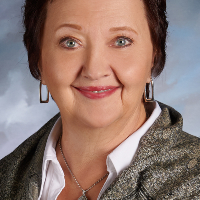
Nebraska · 36 yrs exp
Compassionate counselor for life transitions
Stress, Anxiety · Family · Grief · Intimacy-related issues · +12 more
Read profile
Nebraska · 10 yrs exp
Practical, goal-focused mental health support
Stress, Anxiety · Relationship · Intimacy-related issues · Self esteem · +13 more
Read profile
Nebraska · 20 yrs exp
Compassionate care for life transitions
Stress, Anxiety · Relationship · Anger · Depression · +1 more
Read profile
Nebraska · 20 yrs exp
Straightforward, practical counseling for life changes
Stress, Anxiety · Addictions · Family · Trauma and abuse · +10 more
Read profile
Nebraska · 30 yrs exp
Compassionate support for life's major transitions
Grief · Parenting · Self esteem · Coping with life changes · +1 more
Read profile
Nebraska · 33 yrs exp
Compassionate, practical mental health care
Stress, Anxiety · LGBT · Relationship · Trauma and abuse · +16 more
Read profile
Nebraska · 3 yrs exp
Compassionate counselor for grief and aging issues
Stress, Anxiety · Grief · Depression · Coping with life changes · +7 more
Read profile
Nebraska · 7 yrs exp
Compassionate counselor for life transitions
Stress, Anxiety · Trauma and abuse · Parenting · Depression · +9 more
Read profile
Nebraska · 38 yrs exp
Experienced listener and practical therapist
Stress, Anxiety · Grief · Depression · Coping with life changes · +11 more
Read profile
Nebraska · 17 yrs exp
Practical, person-centered care for life transitions
Stress, Anxiety · Self esteem · Career · Depression · +13 more
Read profile
Nebraska · 31 yrs exp
Practical, experienced support for life changes
Stress, Anxiety · Addictions · Family · Depression · +1 more
Read profile
Nebraska · 6 yrs exp
Practical, compassionate support for everyday struggles
Stress, Anxiety · Trauma and abuse · Grief · Relationship · +9 more
Read profile
Nebraska · 3 yrs exp
Compassionate support for life transitions
Stress, Anxiety · Trauma and abuse · Grief · Depression · +8 more
Read profile
Nebraska · 17 yrs exp
Compassionate care for complex life challenges
Addictions · Trauma and abuse · Self esteem · Depression · +14 more
Read profile
Nebraska · 50 yrs exp
Experienced Nebraska clinician focused on practical change
Stress, Anxiety · Trauma and abuse · Grief · Self esteem · +14 more
Read profile
Nebraska · 32 yrs exp
Experienced clinician helping relationships and life change
Relationship · Family · Parenting · Depression · +1 more
Read profile
Nebraska · 3 yrs exp
Compassionate counselor focused on life changes
Stress, Anxiety · Relationship · Intimacy-related issues · Parenting · +16 more
Read profile
Nebraska · 6 yrs exp
Practical support for stress and life transitions
Stress, Anxiety · Addictions · Bipolar · Depression · +1 more
Read profileAs you move through retirement or navigate evolving family roles, you may encounter changes that bring both practical and emotional challenges. Retirement can mean a shift in routine and identity, while health changes often require adjusting daily life and expectations. Loss and grief - whether the death of a partner, friends, or shifts in mobility - can create waves of emotion that surface at unexpected times. Loneliness and the shrinking of social circles are frequent concerns, and many people also find themselves stepping into caregiving roles for a spouse, parent or other family member, which can be emotionally and physically demanding. You might also be thinking about meaning and legacy, wondering how to stay engaged or how to reconcile past choices with the present.
Therapy can be a place to explore these issues in detail. In Nebraska you will find professionals who list aging and later-life concerns among their focus areas; some describe experience working with retirement adjustment, bereavement, caregiving stress, family relationship changes and finding new purpose. When reading profiles, look for language that matches the parts of later life you want to address. You may want a clinician who mentions working with family transitions if you are navigating intergenerational dynamics, or someone who lists support for caregivers if you are balancing care responsibilities. Profiles are a starting point to identify clinicians whose focus areas align with your needs.
The profiles on this site group professionals under a listed location of Nebraska, but that grouping alone does not prove an office address, proximity, or current permission to practice in a particular city. You should check each profile carefully and confirm directly with the clinician whether they are able to work with you where you live. Academic degrees such as PhD, PsyD, MD, MA and MSW indicate the type of graduate education a professional has completed, but a degree is not the same as permission to practice. In the United States many clinicians hold state licenses that specify where they can legally provide mental health services. In the United Kingdom and Australia, clinicians may list registration or membership with national professional bodies or associations, which are different from US state licensing systems. When you review a profile, notice how the clinician describes their academic credentials separately from any regulatory permissions or professional registrations. If that information is not clear on a profile, it is reasonable to ask the clinician which regulatory body or authority governs their practice and whether they are authorized to provide care for people living in Nebraska or another jurisdiction.
Remember that a therapist listing aging-related focus areas does not indicate a particular certification in gerontology or later-life therapy. Profiles reflect what a clinician reports about their interests and experience. Use profile details to form concrete questions rather than assumptions, and confirm scope and permission to practice before you begin working together.
When you contact a clinician whose profile seems relevant, plan to ask direct questions that clarify their experience and approach. You might ask how much of their work involves people in later life and what kinds of situations they most often support, such as retirement adjustment, bereavement, caregiving stress or family relationship changes. A useful question is to ask for examples of the kinds of challenges they commonly help people address, phrased in general terms rather than requesting client details. You can also ask which approaches they list among their approaches and how those approaches are applied when working with older adults or family members. For example, ask how a clinician adapts a particular approach when someone is coping with loss or changing health, rather than assuming every clinician uses the same techniques.
Since the directory includes professionals from multiple countries, you may want to ask about regional differences in practice, such as whether the clinician has experience working with US-based systems and resources if you are in Nebraska. If you are an adult child supporting a parent, ask how the clinician involves family members when appropriate and what their experience is working with intergenerational dynamics. These conversations can reveal how a clinician describes their work in their own words and whether their style and experience match what you are seeking.
If you are considering remote sessions, there are several practical topics to raise before starting. First, ask whether the clinician has permission to provide services to people living in Nebraska, since rules about cross-state or cross-country practice vary. Clarify how sessions will be arranged and what technologies they use for video or phone meetings. It is reasonable to ask how they handle privacy and data protection for remote sessions, and whether they can explain the steps they take to keep your personal information appropriately protected during electronic communication. You should also discuss how cancellations and rescheduling are handled and what communication methods are used between sessions for administrative matters.
Another important conversation is logistics that affect your comfort and participation. Ask about typical session length and how the clinician approaches goal-setting and progress discussions, so you know what to expect from the working relationship. If mobility or hearing considerations are relevant, describe them and ask how the clinician adapts remote work to address those needs. If you are supporting an older relative, you can ask how the clinician involves family members or coordinates with other care providers while respecting the individual’s autonomy. These practical conversations help you decide whether a clinician’s remote approach fits your circumstances before committing time to a first session.
When you compare profiles, pay attention to specific language that matches your priorities. Look for clinicians who list the issues you want to address - for example, bereavement, loneliness, caregiving roles, retirement transition or family relationship changes - and note how each clinician describes that focus. Consider what languages the clinician lists, since being able to speak in your preferred language can make conversations smoother and more meaningful. Compare academic degrees and any stated professional permissions or registrations, remembering that a degree is distinct from authorization to practice in a given jurisdiction. If a profile mentions membership in a professional association or a regulatory registration, follow up to understand what that membership or registration means where you live.
Style and interpersonal fit matter as much as credentials. Read how clinicians describe their approach and then frame comparison questions such as: How do you typically work with someone who is grieving or adjusting to retirement? How do you support family members who are acting as caregivers? Which approaches do you list among your approaches and how do you adapt them for later-life concerns? If rapport and communication style are important to you, consider requesting an initial conversation to get a sense of tone and empathy, and ask about how clinicians involve family members or other supports when appropriate. By focusing on concrete questions and observable details in profiles, you can narrow choices and find a clinician whose combination of focus areas, languages, professional permissions and personal style align with your goals.
Use the profiles listed in Nebraska as a way to gather information and prepare targeted questions. Confirm each clinician's permission to work with you where you live, and have open conversations about experience, approach and logistics before beginning. Thoughtful comparison and direct questions will help you identify a professional who may be a good fit for the concerns and life changes you are facing.
Chronic Illness
2666 therapists
Depression
5400 therapists
Grief
4881 therapists
Guilt and Shame
4692 therapists
Isolation / Loneliness
4738 therapists
Mood Disorders
3731 therapists
Self Esteem
5229 therapists
Sleeping Disorders
2080 therapists
Stress & Anxiety
5759 therapists
Trauma and Abuse
4612 therapists
Aging and Geriatric Issues
6041 therapists
Caregiver Issues and Stress
4532 therapists
Compassion Fatigue
3394 therapists
Coping with Life Changes
5135 therapists
Divorce
4056 therapists
Family
4349 therapists
Family of Origin Issues
3144 therapists
Forgiveness
4451 therapists
Hospice and End-of-Life Counseling
2913 therapists
Life Purpose
4904 therapists
Money and Financial Issues
2512 therapists
Relationship
4966 therapists