
Audrey Kelly
LMFTOklahoma · 21 yrs exp
Practical, collaborative care for life transitions
Stress, Anxiety · Relationship · Family · Self esteem · +8 more
Read profileTherapist listings are provided by BetterHelp. We will earn a commission at no additional cost to you if you use our links to purchase.
This page helps you compare profiles of clinicians who list Coping with Life Changes alongside aging and later-life concerns. Use the profiles to review approaches, credentials, languages and listed locations as you browse.
When you find profiles that look relevant, you can read about each clinician’s focus areas and approach to decide who to contact for a conversation about your needs.
Oklahoma · 21 yrs exp
Practical, collaborative care for life transitions
Stress, Anxiety · Relationship · Family · Self esteem · +8 more
Read profile
North Carolina · 25 yrs exp
Compassionate therapist for life transitions
Stress, Anxiety · Relationship · Family · Grief · +15 more
Read profile
Michigan · 25 yrs exp
Compassionate counselor guiding practical change
Stress, Anxiety · LGBT · Relationship · Grief · +10 more
Read profile
Florida · 20 yrs exp
Practical support for addiction and life changes
Stress, Anxiety · Addictions · Relationship · Self esteem · +16 more
Read profile
Mississippi · 16 yrs exp
Compassionate relationship-focused counselor
Stress, Anxiety · Relationship · Family · Parenting · +6 more
Read profile
Oregon · 26 yrs exp
Compassionate, practical support for life transitions
Stress, Anxiety · Trauma and abuse · Grief · Depression · +10 more
Read profile
Louisiana · 7 yrs exp
Therapist who blends practical tools with purpose
Stress, Anxiety · Family · Trauma and abuse · Parenting · +15 more
Read profile
Maryland · 6 yrs exp
Calm, collaborative care for life transitions
Stress, Anxiety · Trauma and abuse · Self esteem · Coping with life changes · +10 more
Read profile
New York · 25 yrs exp
Helping people manage change and distress
Stress, Anxiety · Addictions · Trauma and abuse · Self esteem · +11 more
Read profile
Texas · 22 yrs exp
Compassionate practical therapy for life transitions
Stress, Anxiety · Grief · Career · Depression · +9 more
Read profile
Missouri · 16 yrs exp
Practical, empathetic social work for life changes
Stress, Anxiety · Trauma and abuse · Self esteem · Bipolar · +12 more
Read profile
New York · 11 yrs exp
Experienced counselor for life transitions
Stress, Anxiety · Grief · Self esteem · Relationship · +8 more
Read profile
Texas · 10 yrs exp
Calm guidance for practical progress
Stress, Anxiety · Relationship · Family · Depression · +14 more
Read profile
Ohio · 18 yrs exp
Empathetic, practical counseling for life changes
Stress, Anxiety · Trauma and abuse · Grief · Anger · +11 more
Read profile
Ohio · 33 yrs exp
Compassionate counselor for life transitions
Stress, Anxiety · Family · Trauma and abuse · Self esteem · +12 more
Read profile
Illinois · 10 yrs exp
Compassionate counselor for life transitions
Stress, Anxiety · LGBT · Relationship · Trauma and abuse · +10 more
Read profile
Oklahoma · 30 yrs exp
Compassionate counselor who values dignity and progress
Stress, Anxiety · Grief · Intimacy-related issues · Depression · +8 more
Read profile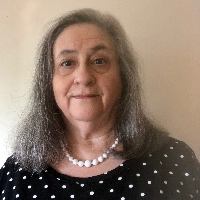
Mississippi · 23 yrs exp
A steady, practical guide through life transitions
Stress, Anxiety · Grief · Anger · Self esteem · +8 more
Read profile
Georgia · 14 yrs exp
Compassionate counselor for life transitions and aging concerns
Stress, Anxiety · LGBT · Trauma and abuse · Anger · +9 more
Read profile
Florida · 10 yrs exp
Practical, compassionate therapy for life transitions
Stress, Anxiety · Addictions · Family · Grief · +8 more
Read profile
South Carolina · 36 yrs exp
Practical support for life transitions
Stress, Anxiety · Addictions · Family · Trauma and abuse · +3 more
Read profile
Florida · 18 yrs exp
Compassionate counselor for life transitions
Stress, Anxiety · Relationship · Grief · Depression · +12 more
Read profile
Michigan · 21 yrs exp
Warm, practical social work support
Stress, Anxiety · Relationship · Family · Bipolar · +14 more
Read profile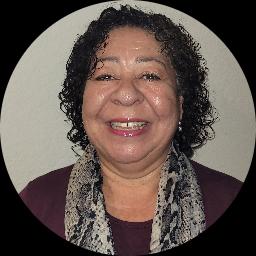
Texas · 21 yrs exp
Practical support for life transitions and relationships
Stress, Anxiety · Relationship · Trauma and abuse · Intimacy-related issues · +15 more
Read profileLife after midlife can bring a concentration of transitions that affect day-to-day routines, relationships and sense of purpose. Retirement may mean losing a daily work identity and the social network that came with it. Health changes - whether newly diagnosed conditions, reduced mobility or adapting to medication regimens - can alter how you plan your days and imagine the future. Loss is another major theme; you may be facing bereavement, changing friendships, or shifts in family roles as younger relatives take on different responsibilities. Loneliness can occur even when you are surrounded by people, because the ways you previously connected no longer fit.
Caregiving roles often arrive suddenly or gradually, when you or a partner take on more care tasks for an older parent or adult child. Family relationships that once felt steady can feel strained by new expectations or differing opinions about care. At the same time, many people are seeking new meaning in later life, exploring second careers, volunteer roles, creative projects or simpler routines that better match current capacities. You do not have to be ill or very old to be affected by these changes; they can touch anyone navigating transitions in later adulthood.
The focus area Coping with Life Changes often overlaps with broader aging concerns, but the relationship is not automatic. Profiles that list both topics are signaling that a clinician addresses transitions that commonly occur in later life - such as retirement planning, grief, relationship shifts and caregiver stress - rather than offering geriatric medical services or memory assessment. When you look at profiles on this site you will see that many clinicians combine later-life concerns with other specialties. This indicates interest and experience with older-adult themes but does not establish the kinds of clinical or medical services you might find in a geriatric clinic.
It helps to approach listings as starting points. A clinician’s profile can tell you whether they note work with transitions, grief or caregiving, and whether those topics appear alongside aging-related concerns. That gives you language to start a conversation about how they might work with the issues you face, and to clarify any boundaries of practice - for example whether they support decision-making around long-term care planning or focus more on emotional coping and family relationships.
When you reach out to a clinician, concrete questions help you understand fit. You might ask: 'How do you typically work with someone adjusting to retirement or a major health change?' or 'What experience do you have supporting family caregivers or people experiencing bereavement?' Ask about populations they list on their profile - for example whether they have worked with older adults, adult children acting as carers, or couples in later life. If a profile lists specific approaches, you can say: 'I see you list cognitive-behavioral and narrative approaches - how do you use those approaches with later-life issues?' This way you frame approaches as options to discuss rather than assumptions about what will happen in sessions.
It is also important to distinguish academic degrees from permission to practice. Degrees such as PhD, PsyD, MD, MA or MSW describe education. In the United States many clinicians will also hold state licenses such as LCSW, LPC, LMFT or similar credentials that indicate legal permission to provide therapy in that state. In the United Kingdom practitioners may be registered with a regulatory body or be members of professional associations, and in Australia clinicians may be registered with national boards or belong to professional groups. A degree alone does not confirm current permission to practice; if that matters to you, ask directly whether the clinician is licensed or registered where they list their listed location.
If you are considering remote sessions, bring up practical and safety topics before you begin. Ask what platform the clinician uses and whether it requires special software or an app. Clarify how they handle records and who will have access to notes, and ask about the clinician’s policies for urgent concerns or situations that occur between sessions. If you prefer certain ways of communicating outside sessions - for example email summaries or brief phone check-ins - ask whether the clinician offers that and how they handle response times. It is also appropriate to talk about session length and what a typical course of work might look like for the issue you are bringing, for example coping with a recent loss or adapting to a caregiver role.
Discussing practicalities also includes the role of other family members. If you expect family involvement, mention whether you want separate sessions, joint sessions or family meetings, and ask how the clinician approaches information-sharing boundaries and consent when multiple people are involved. If language or cultural understanding matters to you, ask whether the clinician has experience working with people from your background or whether they list additional languages on their profile. These conversations reduce guesswork and help you decide whether to proceed with remote work or ask about an in-person option in the clinician’s listed location.
Comparing profiles effectively means looking beyond a single label and matching specifics to your priorities. Start with the focus areas shown on the profile - does the clinician explicitly mention retirement adjustment, grief, caregiver stress, relationship change or life purpose? If several profiles list similar focus areas, narrow your comparison by reading how each clinician describes their approach to those topics. Look for language that resonates with you - whether the clinician emphasizes practical coping strategies, emotional processing, narrative work or relational dynamics. Those descriptions signal differences in style rather than guarantees of outcomes.
Languages and cultural fit are concrete comparison points. If you prefer to speak in a language other than the regional majority, favor profiles that list that language. If cultural background or understanding of certain life experiences is important to you, look for clinicians who describe relevant experience in their profiles. When reviewing credentials, note degrees such as PhD, PsyD, MD, MA and MSW and also look for statements about state licenses, UK registration or Australian board membership where present. Remember that these are different kinds of information - degrees describe training, while licenses or registration describe legal permission to practice in a jurisdiction.
Finally, consider therapeutic style and logistics as part of your comparison. Profiles often describe whether the clinician takes a more directive or exploratory approach, whether they work more with goals and skills or with meaning and narrative, and whether they list experience with family meetings or caregiver support. Pair those descriptors with listed location and languages to build a shortlist of profiles to contact. When you speak with a clinician, use the specific questions described earlier to confirm how they would approach the particular changes you are facing.
Choosing someone to talk with about life changes is a personal and practical decision. Profiles on this site are designed to help you weigh focus areas, approaches, credentials and listed locations so you can find clinicians whose descriptions match the kinds of help you want. By asking focused questions about experience, methods and practical arrangements, you can move from browsing profiles to a conversation that clarifies whether a clinician is a good match for the transitions you are navigating.
Alabama
85 therapists
Alaska
6 therapists
Arizona
76 therapists
Arkansas
43 therapists
Australia
100 therapists
California
410 therapists
Colorado
124 therapists
Connecticut
40 therapists
Delaware
12 therapists
District of Columbia
13 therapists
Florida
610 therapists
Georgia
177 therapists
Hawaii
17 therapists
Idaho
34 therapists
Illinois
204 therapists
Indiana
72 therapists
Iowa
34 therapists
Kansas
36 therapists
Kentucky
68 therapists
Louisiana
86 therapists
Maine
19 therapists
Maryland
70 therapists
Massachusetts
75 therapists
Michigan
220 therapists
Minnesota
57 therapists
Mississippi
44 therapists
Missouri
142 therapists
Montana
36 therapists
Nebraska
28 therapists
Nevada
32 therapists
New Hampshire
15 therapists
New Jersey
114 therapists
New Mexico
34 therapists
New York
251 therapists
North Carolina
208 therapists
North Dakota
6 therapists
Ohio
135 therapists
Oklahoma
86 therapists
Oregon
46 therapists
Pennsylvania
167 therapists
Rhode Island
8 therapists
South Carolina
95 therapists
South Dakota
9 therapists
Tennessee
84 therapists
Texas
487 therapists
United Kingdom
996 therapists
Utah
30 therapists
Vermont
11 therapists
Virginia
94 therapists
Washington
63 therapists
West Virginia
17 therapists
Wisconsin
101 therapists
Wyoming
16 therapists