
Velma Jones
LCSWNew York · 29 yrs exp
Experienced LCSW focusing on practical emotional support
Stress, Anxiety · Relationship · Trauma and abuse · Depression · +10 more
Read profileTherapist listings are provided by BetterHelp. We will earn a commission at no additional cost to you if you use our links to purchase.
This page groups profiles of professionals who list Caregiver Issues and Stress alongside aging and later-life concerns. You can compare focus areas, approaches, listed location, languages and credentials as you browse profiles.
New York · 29 yrs exp
Experienced LCSW focusing on practical emotional support
Stress, Anxiety · Relationship · Trauma and abuse · Depression · +10 more
Read profile
North Carolina · 25 yrs exp
Compassionate therapist for life transitions
Stress, Anxiety · Relationship · Family · Grief · +15 more
Read profile
Michigan · 25 yrs exp
Compassionate counselor guiding practical change
Stress, Anxiety · LGBT · Relationship · Grief · +10 more
Read profile
Colorado · 19 yrs exp
Experienced LCSW focused on practical support
Stress, Anxiety · Relationship · Trauma and abuse · Grief · +12 more
Read profile
Florida · 20 yrs exp
Practical support for addiction and life changes
Stress, Anxiety · Addictions · Relationship · Self esteem · +16 more
Read profile
Oregon · 26 yrs exp
Compassionate, practical support for life transitions
Stress, Anxiety · Trauma and abuse · Grief · Depression · +10 more
Read profile
Louisiana · 7 yrs exp
Therapist who blends practical tools with purpose
Stress, Anxiety · Family · Trauma and abuse · Parenting · +15 more
Read profile
Maryland · 6 yrs exp
Calm, collaborative care for life transitions
Stress, Anxiety · Trauma and abuse · Self esteem · Coping with life changes · +10 more
Read profile
New York · 25 yrs exp
Helping people manage change and distress
Stress, Anxiety · Addictions · Trauma and abuse · Self esteem · +11 more
Read profile
Texas · 22 yrs exp
Compassionate practical therapy for life transitions
Stress, Anxiety · Grief · Career · Depression · +9 more
Read profile
Texas · 10 yrs exp
Calm guidance for practical progress
Stress, Anxiety · Relationship · Family · Depression · +14 more
Read profile
Ohio · 18 yrs exp
Empathetic, practical counseling for life changes
Stress, Anxiety · Trauma and abuse · Grief · Anger · +11 more
Read profile
Ohio · 33 yrs exp
Compassionate counselor for life transitions
Stress, Anxiety · Family · Trauma and abuse · Self esteem · +12 more
Read profile
Illinois · 10 yrs exp
Compassionate counselor for life transitions
Stress, Anxiety · LGBT · Relationship · Trauma and abuse · +10 more
Read profile
Oklahoma · 30 yrs exp
Compassionate counselor who values dignity and progress
Stress, Anxiety · Grief · Intimacy-related issues · Depression · +8 more
Read profile
Florida · 10 yrs exp
Practical, compassionate therapy for life transitions
Stress, Anxiety · Addictions · Family · Grief · +8 more
Read profile
South Carolina · 36 yrs exp
Practical support for life transitions
Stress, Anxiety · Addictions · Family · Trauma and abuse · +3 more
Read profile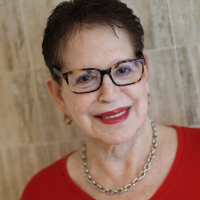
Florida · 18 yrs exp
Compassionate counselor for life transitions
Stress, Anxiety · Relationship · Grief · Depression · +12 more
Read profile
Michigan · 21 yrs exp
Warm, practical social work support
Stress, Anxiety · Relationship · Family · Bipolar · +14 more
Read profile
Texas · 21 yrs exp
Practical support for life transitions and relationships
Stress, Anxiety · Relationship · Trauma and abuse · Intimacy-related issues · +15 more
Read profile
Louisiana · 10 yrs exp
Practical, compassionate counseling for life transitions
Stress, Anxiety · Grief · Anger · Depression · +8 more
Read profile
Missouri · 14 yrs exp
Compassionate counselor focused on practical change
Stress, Anxiety · Self esteem · Career · Depression · +13 more
Read profile
Illinois · 25 yrs exp
Experienced LCSW guiding practical change
Stress, Anxiety · Self esteem · Career · Coping with life changes · +10 more
Read profile
Florida · 30 yrs exp
Experienced Florida psychologist focused on practical outcomes
Stress, Anxiety · Grief · Anger · Depression · +15 more
Read profileWhen you or a loved one moves into a caregiving role, whether for an aging parent, a partner, or a relative, it can affect daily life in ways you did not anticipate. Retirement, changes in health, bereavement and shifts in family roles can all change how responsibilities are shared and how you experience meaning in later life. For some people, caregiving adds purpose and connection; for others, it creates persistent strain, fatigue, isolation and tension in family relationships. Those responses are normal reactions to ongoing pressures rather than signs that something is wrong with you.
Caregiving stress can show up practically - less time for rest, difficulty keeping up with routines, strained plans for retirement - and emotionally, as guilt, resentment, worry or grief about loss of independence or changing roles. Loneliness can increase when social rhythms are disrupted, or when friends no longer share your daily experiences. You may also be balancing multiple responsibilities across generations, which affects family dynamics and decision-making. Understanding these patterns can help you identify what kind of support you want from a therapist and what to look for in a profile when exploring options on this site.
This category collects profiles of practitioners who list Caregiver Issues and Stress among their specialties. Many of those same profiles also list Aging and geriatric issues among additional focus areas. That overlap simply reflects how clinicians describe the populations and topics they work with; it is not evidence of specialist certification, a particular therapy method, diagnostic services, treatment outcomes or suitability for your situation. Use the listed information to form questions, not as proof of a specific credential.
The directory includes professionals based in the United States, the United Kingdom and Australia, and each profile displays a listed location that helps you consider geographic or time zone fit. Because descriptions vary, you will find some profiles emphasize family relationships and role transitions, while others highlight bereavement, retirement adjustment or emotional fatigue from ongoing care tasks. When you read a profile, note whether caregiving is framed as a life transition, a stress reaction, or a focus of longer-term work. That framing can help you decide which profiles to explore further based on the kinds of conversations you want to have.
When you contact someone, you can use specific questions to learn whether their approach matches your priorities. Ask how they describe their experience with adult children who are coordinating care, with partners shifting into caregiving roles, or with people navigating retirement and renewed questions of purpose. You might ask whether they have worked with cultural or intergenerational dynamics that matter in your family, and how they typically involve family members in sessions if that is relevant for you. Remember not to assume a listed topic means they work with couples or families; instead ask them directly about scope.
It is also useful to ask about the approaches they use and what that might mean in practice. Some profiles list cognitive-behavioral, narrative, or emotion-focused approaches; others list modalities such as EMDR among their approaches. A profile that lists EMDR among their approaches does not by itself prove a particular level of training - framing questions around how an approach would be applied to caregiver stress is more informative than accepting a label without context. You should also ask clinicians to describe how they tailor work for later-life concerns and how they measure whether a particular focus is helping you meet your goals.
If you plan to meet remotely, there are practical matters to cover that help set clear expectations. Discuss the technology or app they use, what to do if a connection drops and how they handle documentation and record-keeping. Talk about where you will sit for sessions and whether you can arrange a private space to speak openly. If you need accommodations - for hearing, vision, mobility or cognitive changes - ask how the clinician adapts communication and session length or format to meet those needs.
Because this directory spans multiple countries, also ask whether the clinician is authorized to practice with people in your state, region or country, and what that means for online care across jurisdictions. Clarify how they handle emergency planning if you have acute concerns between sessions, and what supports they recommend locally. You can also discuss scheduling preferences, whether family members participate in some visits, and how goals are revisited over time. Those conversations help you build a working relationship that aligns with the realities of caregiving life.
Profiles vary in the detail they provide, and you can use that variance to compare options in a practical way. Look for clear statements about the kinds of caregiving situations the clinician lists - for example, transitions after retirement, long-term care coordination, loss and bereavement, or exhaustion from ongoing responsibilities. Pay attention to which additional focus areas appear alongside Caregiver Issues and Stress, because those pairings often indicate the clinician's typical questions and priorities in sessions.
Check the credentials shown on a profile and note the difference between academic degrees and regulatory permission to practice. You may see degrees such as PhD, PsyD, MD, MA or MSW; those indicate the clinician's academic background. In the United States, many professionals also hold a state license that permits independent practice. In the United Kingdom and Australia, clinicians are more commonly described as registered or as members of professional organizations. A degree alone does not establish current permission to practice in any jurisdiction, so if regulatory standing matters to you, ask about it when you reach out.
Language and therapeutic style are also important. If you prefer to speak in a particular language, search profiles for that language and then read how the clinician describes their tone - whether they emphasize practical problem solving, emotional processing, life-story work or caregiving role negotiation. Finally, consider the practical cues on a profile: their listed location for geographic fit, the kinds of approaches they mention and any notes on experience with later-life transitions. Use those comparisons to form a short list of profiles to contact and to prepare focused questions that reflect your caregiving context and goals.
As you explore, keep in mind that a listed topic is an invitation to ask questions, not a guarantee of a particular service. Discuss your needs directly with the clinician and confirm how they describe their role in supporting caregivers. Thoughtful comparison and targeted questions will help you find a professional whose focus, background and style fit the realities of caregiving in later life.
Alabama
85 therapists
Alaska
6 therapists
Arizona
76 therapists
Arkansas
43 therapists
Australia
100 therapists
California
410 therapists
Colorado
124 therapists
Connecticut
40 therapists
Delaware
12 therapists
District of Columbia
13 therapists
Florida
610 therapists
Georgia
177 therapists
Hawaii
17 therapists
Idaho
34 therapists
Illinois
204 therapists
Indiana
72 therapists
Iowa
34 therapists
Kansas
36 therapists
Kentucky
68 therapists
Louisiana
86 therapists
Maine
19 therapists
Maryland
70 therapists
Massachusetts
75 therapists
Michigan
220 therapists
Minnesota
57 therapists
Mississippi
44 therapists
Missouri
142 therapists
Montana
36 therapists
Nebraska
28 therapists
Nevada
32 therapists
New Hampshire
15 therapists
New Jersey
114 therapists
New Mexico
34 therapists
New York
251 therapists
North Carolina
208 therapists
North Dakota
6 therapists
Ohio
135 therapists
Oklahoma
86 therapists
Oregon
46 therapists
Pennsylvania
167 therapists
Rhode Island
8 therapists
South Carolina
95 therapists
South Dakota
9 therapists
Tennessee
84 therapists
Texas
487 therapists
United Kingdom
996 therapists
Utah
30 therapists
Vermont
11 therapists
Virginia
94 therapists
Washington
63 therapists
West Virginia
17 therapists
Wisconsin
101 therapists
Wyoming
16 therapists