
Velma Jones
LCSWNew York · 29 yrs exp
Experienced LCSW focusing on practical emotional support
Stress, Anxiety · Relationship · Trauma and abuse · Depression · +10 more
Read profileTherapist listings are provided by BetterHelp. We will earn a commission at no additional cost to you if you use our links to purchase.
This page groups therapists who list Aging and Geriatric Issues among their focus areas. You can compare listed location, approaches, credentials and languages to find profiles that match your needs; browse the profiles below to begin.
New York · 29 yrs exp
Experienced LCSW focusing on practical emotional support
Stress, Anxiety · Relationship · Trauma and abuse · Depression · +10 more
Read profile
Oklahoma · 21 yrs exp
Practical, collaborative care for life transitions
Stress, Anxiety · Relationship · Family · Self esteem · +8 more
Read profile
North Carolina · 25 yrs exp
Compassionate therapist for life transitions
Stress, Anxiety · Relationship · Family · Grief · +15 more
Read profile
Michigan · 25 yrs exp
Compassionate counselor guiding practical change
Stress, Anxiety · LGBT · Relationship · Grief · +10 more
Read profile
Colorado · 19 yrs exp
Experienced LCSW focused on practical support
Stress, Anxiety · Relationship · Trauma and abuse · Grief · +12 more
Read profile
Florida · 20 yrs exp
Practical support for addiction and life changes
Stress, Anxiety · Addictions · Relationship · Self esteem · +16 more
Read profile
Mississippi · 16 yrs exp
Compassionate relationship-focused counselor
Stress, Anxiety · Relationship · Family · Parenting · +6 more
Read profile
Oregon · 26 yrs exp
Compassionate, practical support for life transitions
Stress, Anxiety · Trauma and abuse · Grief · Depression · +10 more
Read profile
Louisiana · 7 yrs exp
Therapist who blends practical tools with purpose
Stress, Anxiety · Family · Trauma and abuse · Parenting · +15 more
Read profile
Maryland · 6 yrs exp
Calm, collaborative care for life transitions
Stress, Anxiety · Trauma and abuse · Self esteem · Coping with life changes · +10 more
Read profile
New York · 25 yrs exp
Helping people manage change and distress
Stress, Anxiety · Addictions · Trauma and abuse · Self esteem · +11 more
Read profile
Texas · 22 yrs exp
Compassionate practical therapy for life transitions
Stress, Anxiety · Grief · Career · Depression · +9 more
Read profile
Missouri · 16 yrs exp
Practical, empathetic social work for life changes
Stress, Anxiety · Trauma and abuse · Self esteem · Bipolar · +12 more
Read profile
New York · 11 yrs exp
Experienced counselor for life transitions
Stress, Anxiety · Grief · Self esteem · Relationship · +8 more
Read profile
Texas · 10 yrs exp
Calm guidance for practical progress
Stress, Anxiety · Relationship · Family · Depression · +14 more
Read profile
Ohio · 18 yrs exp
Empathetic, practical counseling for life changes
Stress, Anxiety · Trauma and abuse · Grief · Anger · +11 more
Read profile
Ohio · 33 yrs exp
Compassionate counselor for life transitions
Stress, Anxiety · Family · Trauma and abuse · Self esteem · +12 more
Read profile
Illinois · 10 yrs exp
Compassionate counselor for life transitions
Stress, Anxiety · LGBT · Relationship · Trauma and abuse · +10 more
Read profile
Oklahoma · 30 yrs exp
Compassionate counselor who values dignity and progress
Stress, Anxiety · Grief · Intimacy-related issues · Depression · +8 more
Read profile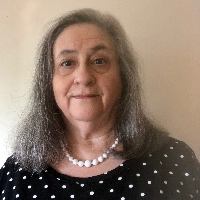
Mississippi · 23 yrs exp
A steady, practical guide through life transitions
Stress, Anxiety · Grief · Anger · Self esteem · +8 more
Read profile
Georgia · 14 yrs exp
Compassionate counselor for life transitions and aging concerns
Stress, Anxiety · LGBT · Trauma and abuse · Anger · +9 more
Read profile
Florida · 10 yrs exp
Practical, compassionate therapy for life transitions
Stress, Anxiety · Addictions · Family · Grief · +8 more
Read profile
South Carolina · 36 yrs exp
Practical support for life transitions
Stress, Anxiety · Addictions · Family · Trauma and abuse · +3 more
Read profile
Florida · 18 yrs exp
Compassionate counselor for life transitions
Stress, Anxiety · Relationship · Grief · Depression · +12 more
Read profileAs you or a loved one moves through later stages of life, a range of practical and emotional changes often come into view. Retirement can bring relief and also a loss of daily structure or purpose. Health changes may raise questions about independence and identity even when those changes are manageable. Grief and loss can be layered - the death of a partner or friends, the loss of physical abilities, and the changing role you play within family relationships. Loneliness and shrinking social circles are common themes, and many people find themselves taking on caregiving roles for a partner, parent, or sibling while also juggling relationships with adult children.
When you seek a therapist who lists Aging and Geriatric Issues among their focus areas, you are looking for someone who has chosen to include these topics in their work. That can mean experience discussing transitions, existential questions about meaning, and practical coping strategies for role changes. You should expect conversations about how daily routines, relationships and goals are shifting, and how to manage the emotional impact of those shifts in a way that honors your circumstances and values.
Profiles on this site show practitioners who list Aging and Geriatric Issues as a specialty or additional focus area. That listing helps you find professionals who note an interest in later-life concerns, but it is not evidence of specialist certification, a specific therapy credential, diagnostic services, treatment effectiveness, or suitability for your particular situation. It is a starting point for comparison, not a guarantee.
The directory includes professionals from the United States, the United Kingdom and Australia, and terminology and permission to practise vary across these countries. In the United States many practitioners hold professional licenses such as clinical social work or professional counselling credentials. In the United Kingdom and Australia you will commonly see references to registration or professional membership rather than a U.S.-style license. Academic degrees such as PhD, PsyD, MD, MA or MSW describe education but do not alone indicate current registration or a licence to practise. When you review a profile, note both the degrees listed and any statement about registration, licensure or professional membership in the listed location.
Before you reach out to someone, think about what matters most to you in a therapeutic relationship and prepare concrete questions you can use to compare profiles. Ask how a practitioner typically works with people facing retirement transitions, whether they have experience supporting people who are newly adjusting to health changes, and how they help clients process layered loss. If caregiving is central to your situation, ask about their experience working with caregivers and with families managing shifting roles.
Inquire about therapeutic approaches in descriptive terms rather than assuming any particular method is used. Some therapists list cognitive-behavioural approaches, others mention psychodynamic perspectives, narrative work or mindfulness-informed practice. You may also find therapists who list EMDR among their approaches; if that is of interest ask how they decide whether a particular approach fits your goals. Use questions that elicit specifics: how they adapt their approach for later-life concerns, examples of the kinds of conversations they commonly have with clients in similar situations, and the role they see for family or adult children in sessions. Ask about the types of outcomes their clients aim for, and the ways they measure progress in real-world terms like daily routines, relationships and coping skills rather than medical or diagnostic outcomes.
If you plan to begin care online, talk about practical and jurisdictional questions early. Confirm the therapist's listed location and whether they are permitted to provide care to people located where you are at the start of sessions. Rules about cross-border or cross-state practice differ between the United States, the United Kingdom and Australia, and clarity on this point protects both you and the practitioner. Discuss the technology you would use, what happens if a connection drops, and what options exist for audio-only or phone contact if video is difficult.
It is important to cover safety and emergency contacts in the initial conversation. Ask the therapist how they handle urgent situations for someone in your area and whether they work with local supports you already have. Talk about your expectations for communication between sessions, preferred boundaries around messaging or email, and how you and your therapist will coordinate with other professionals involved in your care if that becomes necessary. If you prefer sessions in a particular language or are looking for culturally informed care, confirm language fluency and cultural experience during this discussion. These practical clarifications help you decide whether a given profile aligns with your needs before you begin.
When you scan profiles, look beyond a single line about Aging and Geriatric Issues to the fuller context the practitioner offers. Compare focus areas to see whether a therapist pairs later-life concerns with related topics you care about - for example grief and bereavement, caregiver stress, or relationship changes. Notice the list of approaches each practitioner includes and treat those as options to discuss rather than proof of specific training. A good comparison question is: how have you helped people facing similar life changes, and what approaches did you draw on?
Check for stated languages to ensure communication will be comfortable for you or a family member involved in care. Review credentials carefully: an academic degree tells you about formal training, while a licence, registration or professional membership indicates the regulatory or professional framework they operate under in the listed location. If a profile mentions a PhD, PsyD, MD, MA or MSW, remember that those are degrees and separate from any professional permission to practise. You can ask a practitioner to explain the relationship between their degree, current registration or license, and the rules that govern their work in the listed location.
Consider style and logistics described in profiles. Some practitioners emphasize talk-based exploration of meaning and life review, others highlight problem-focused planning and coping strategies, and some describe involvement with families and caregivers. Ask how sessions are typically structured, whether family members join sometimes and how information-sharing boundaries and privacy are handled in those circumstances, and how the therapist balances emotional processing with practical problem-solving. Finally, use the listed location, languages, focus areas and stated approaches as a way to narrow your choices, then contact a few profiles to ask the concrete questions that matter most to you before deciding where to begin.
Choosing support for later-life concerns is a personal decision that benefits from clear information and direct conversation. Use the profiles below to compare the elements that matter to you - location, approach, experience with caregiving and grief, languages, education and registration - and reach out to practitioners to learn how they might work with your situation. That will help you make an informed choice about who to speak with next.
Alabama
85 therapists
Alaska
6 therapists
Arizona
76 therapists
Arkansas
43 therapists
Australia
100 therapists
California
410 therapists
Colorado
124 therapists
Connecticut
40 therapists
Delaware
12 therapists
District of Columbia
13 therapists
Florida
610 therapists
Georgia
177 therapists
Hawaii
17 therapists
Idaho
34 therapists
Illinois
204 therapists
Indiana
72 therapists
Iowa
34 therapists
Kansas
36 therapists
Kentucky
68 therapists
Louisiana
86 therapists
Maine
19 therapists
Maryland
70 therapists
Massachusetts
75 therapists
Michigan
220 therapists
Minnesota
57 therapists
Mississippi
44 therapists
Missouri
142 therapists
Montana
36 therapists
Nebraska
28 therapists
Nevada
32 therapists
New Hampshire
15 therapists
New Jersey
114 therapists
New Mexico
34 therapists
New York
251 therapists
North Carolina
208 therapists
North Dakota
6 therapists
Ohio
135 therapists
Oklahoma
86 therapists
Oregon
46 therapists
Pennsylvania
167 therapists
Rhode Island
8 therapists
South Carolina
95 therapists
South Dakota
9 therapists
Tennessee
84 therapists
Texas
487 therapists
United Kingdom
996 therapists
Utah
30 therapists
Vermont
11 therapists
Virginia
94 therapists
Washington
63 therapists
West Virginia
17 therapists
Wisconsin
101 therapists
Wyoming
16 therapists