
Velma Jones
LCSWNew York · 29 yrs exp
Experienced LCSW focusing on practical emotional support
Stress, Anxiety · Relationship · Trauma and abuse · Depression · +10 more
Read profileTherapist listings are provided by BetterHelp. We will earn a commission at no additional cost to you if you use our links to purchase.
This specialty page groups profiles of clinicians who list Self Esteem alongside aging or later-life concerns as a focus. Use the profiles to compare listed location, approaches, credentials, languages, and experience when deciding who to contact.
Browse the profiles below to learn more about how different therapists describe their work and what to ask when you reach out.
New York · 29 yrs exp
Experienced LCSW focusing on practical emotional support
Stress, Anxiety · Relationship · Trauma and abuse · Depression · +10 more
Read profile
Oklahoma · 21 yrs exp
Practical, collaborative care for life transitions
Stress, Anxiety · Relationship · Family · Self esteem · +8 more
Read profile
North Carolina · 25 yrs exp
Compassionate therapist for life transitions
Stress, Anxiety · Relationship · Family · Grief · +15 more
Read profile
Michigan · 25 yrs exp
Compassionate counselor guiding practical change
Stress, Anxiety · LGBT · Relationship · Grief · +10 more
Read profile
Colorado · 19 yrs exp
Experienced LCSW focused on practical support
Stress, Anxiety · Relationship · Trauma and abuse · Grief · +12 more
Read profile
Florida · 20 yrs exp
Practical support for addiction and life changes
Stress, Anxiety · Addictions · Relationship · Self esteem · +16 more
Read profile
Mississippi · 16 yrs exp
Compassionate relationship-focused counselor
Stress, Anxiety · Relationship · Family · Parenting · +6 more
Read profile
Oregon · 26 yrs exp
Compassionate, practical support for life transitions
Stress, Anxiety · Trauma and abuse · Grief · Depression · +10 more
Read profile
Louisiana · 7 yrs exp
Therapist who blends practical tools with purpose
Stress, Anxiety · Family · Trauma and abuse · Parenting · +15 more
Read profile
Maryland · 6 yrs exp
Calm, collaborative care for life transitions
Stress, Anxiety · Trauma and abuse · Self esteem · Coping with life changes · +10 more
Read profile
New York · 25 yrs exp
Helping people manage change and distress
Stress, Anxiety · Addictions · Trauma and abuse · Self esteem · +11 more
Read profile
Texas · 22 yrs exp
Compassionate practical therapy for life transitions
Stress, Anxiety · Grief · Career · Depression · +9 more
Read profile
Missouri · 16 yrs exp
Practical, empathetic social work for life changes
Stress, Anxiety · Trauma and abuse · Self esteem · Bipolar · +12 more
Read profile
New York · 11 yrs exp
Experienced counselor for life transitions
Stress, Anxiety · Grief · Self esteem · Relationship · +8 more
Read profile
Texas · 10 yrs exp
Calm guidance for practical progress
Stress, Anxiety · Relationship · Family · Depression · +14 more
Read profile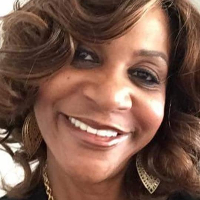
Ohio · 18 yrs exp
Empathetic, practical counseling for life changes
Stress, Anxiety · Trauma and abuse · Grief · Anger · +11 more
Read profile
Ohio · 33 yrs exp
Compassionate counselor for life transitions
Stress, Anxiety · Family · Trauma and abuse · Self esteem · +12 more
Read profile
Illinois · 10 yrs exp
Compassionate counselor for life transitions
Stress, Anxiety · LGBT · Relationship · Trauma and abuse · +10 more
Read profile
Oklahoma · 30 yrs exp
Compassionate counselor who values dignity and progress
Stress, Anxiety · Grief · Intimacy-related issues · Depression · +8 more
Read profile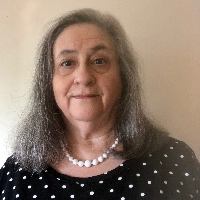
Mississippi · 23 yrs exp
A steady, practical guide through life transitions
Stress, Anxiety · Grief · Anger · Self esteem · +8 more
Read profile
Georgia · 14 yrs exp
Compassionate counselor for life transitions and aging concerns
Stress, Anxiety · LGBT · Trauma and abuse · Anger · +9 more
Read profile
Florida · 10 yrs exp
Practical, compassionate therapy for life transitions
Stress, Anxiety · Addictions · Family · Grief · +8 more
Read profile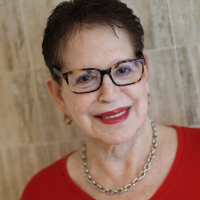
Florida · 18 yrs exp
Compassionate counselor for life transitions
Stress, Anxiety · Relationship · Grief · Depression · +12 more
Read profile
Michigan · 21 yrs exp
Warm, practical social work support
Stress, Anxiety · Relationship · Family · Bipolar · +14 more
Read profileChanges that come with retirement, health transitions, loss, caregiving roles, shifts in family relationships, and questions about meaning can all change how you feel about yourself. You may notice confidence that once came easily now feels fragile, or you may be confronting identity shifts when work roles end or when a long partnership changes. These experiences are common in later life but they do not look the same for everyone. Some people find renewed purpose in volunteer work, creative projects, or new social circles. Others struggle with loneliness, reduced mobility, or frequent comparisons to who they once were. When you are weighing whether to seek help for self esteem, it can help to name the specific situations that shake your sense of worth - a health diagnosis, the end of a long career, a bereavement, or the emotional demands of caring for a partner or parent. Naming the context gives you a clearer starting point for conversations with a therapist and helps you find someone who understands the particular relational and practical dynamics that affect later-life identity.
On this page you will find profiles of professionals who list both Self Esteem and aging or later-life concerns among their focus areas. That shared listing does not establish a cause-and-effect relationship between aging and self esteem, but it signals that these therapists have chosen to highlight both topics when describing their practice. If you are coping with role change at retirement, grief after losing a partner, or the strain of caregiving, you may find that discussions about self worth arise naturally alongside practical planning and emotional support. You might also find that family relationships - for example, changed roles within multigenerational households - influence how you view yourself. When reviewing profiles, look for language that reflects an understanding of these themes. Some profiles may emphasize life transitions, others may mention bereavement or caregiving experience, and some may reference work with people navigating the psychological shifts that come with later life. Remember that a linked focus on aging and Self Esteem is a description of what the therapist lists as areas they address rather than a formal credential or promise of specific outcomes.
When you read profiles, think about questions you can ask to learn whether a particular clinician’s approach fits your needs. You might ask how the therapist typically explores identity and self worth in later life, and whether they have worked with people in situations similar to yours - for example, someone adjusting to retirement, coping with a recent loss, or juggling caregiving responsibilities. Ask whether they have experience with culturally specific values about elders, intergenerational dynamics, or language preferences that matter to you. If certain approaches appeal to you, such as cognitive behavioral techniques, psychodynamic perspectives, mindfulness-based work, or narrative approaches, ask whether the therapist lists those approaches among their methods and how they adapt them for later-life concerns. Use concrete questions: How do you tend to structure conversations about self esteem? Can you describe a typical focus during the first few sessions when someone presents with low confidence related to aging? How do you involve family relationships if they are a central part of the issue? These kinds of questions will give you a clearer sense of style and fit without presuming that every therapist uses the same tools.
If you plan to work with a therapist remotely, it is useful to raise a few practical and therapeutic topics before you begin. Clarify how you and the clinician will handle technology - for instance, which video platform they use and what to do if a connection drops. Ask about how they manage contact between sessions and what kinds of communication they prefer for scheduling or brief questions. Discuss safety planning in the context of your own needs, including who in your support network you might contact if urgent needs arise. If mobility or hearing changes affect how you prefer to meet, mention those so the therapist can describe how they adapt their style. You may also want to discuss session length and pacing, especially if fatigue or medical appointments affect your schedule. If you live in a different country from the therapist, ask about their registration or membership that pertains to practice across borders; in the United States that may be state licensing, while in the United Kingdom or Australia therapists may refer to professional registration or association membership. Remember that a degree such as a PhD, PsyD, MD, MA, or MSW is distinct from current permission to practice and that you can ask about how their academic background relates to the way they work with later-life issues.
Profiles can help you compare several practical features that matter when you are choosing someone to talk with about self esteem and later-life concerns. Start with the listed focus areas and read the language each therapist uses to describe their work. Some profiles will list multiple related concerns - such as retirement adjustment, grief, caregiving stress, or family dynamics - which can indicate a broader familiarity with the contexts that influence self worth. Look at the approaches the therapist lists among their methods and consider which approaches feel most resonant to you. For example, you may notice clinicians who list cognitive behavioral techniques among their approaches, or those who list narrative therapy, mindfulness-based work, or psychodynamic perspectives among their approaches. None of these listings proves specific credentials in a method, but they give you topics to discuss when you reach out. Pay attention to the languages spoken and whether a therapist mentions cultural competence or experience with communities that share your background. This can make conversations about value, aging, and identity feel more easily understood.
When you review credentials, distinguish academic degrees from regulatory status. A profile may show a PhD, PsyD, MD, MA, or MSW as a degree; you can ask directly about current licensing, registration, or professional membership in the therapist’s listed jurisdiction. If you are considering someone whose listed location is outside your country, note how that may affect the regulations that apply. Also consider the therapist’s described style - whether they emphasize collaborative problem solving, reflective exploration, practical coping skills, or an integrative approach. Think about how that style matches your preferences: do you want someone who focuses on concrete strategies to manage low confidence, or someone who explores life story, values, and meaning in depth? Finally, remember to look at practical details on the profile such as listed location and languages so you can narrow down whom to contact for a conversation about your specific needs. Comparing profiles in these ways helps you choose a starting point that feels relevant to your experience with self esteem in later life and gives you clear questions to take into an initial conversation.
Alabama
85 therapists
Alaska
6 therapists
Arizona
76 therapists
Arkansas
43 therapists
Australia
100 therapists
California
410 therapists
Colorado
124 therapists
Connecticut
40 therapists
Delaware
12 therapists
District of Columbia
13 therapists
Florida
610 therapists
Georgia
177 therapists
Hawaii
17 therapists
Idaho
34 therapists
Illinois
204 therapists
Indiana
72 therapists
Iowa
34 therapists
Kansas
36 therapists
Kentucky
68 therapists
Louisiana
86 therapists
Maine
19 therapists
Maryland
70 therapists
Massachusetts
75 therapists
Michigan
220 therapists
Minnesota
57 therapists
Mississippi
44 therapists
Missouri
142 therapists
Montana
36 therapists
Nebraska
28 therapists
Nevada
32 therapists
New Hampshire
15 therapists
New Jersey
114 therapists
New Mexico
34 therapists
New York
251 therapists
North Carolina
208 therapists
North Dakota
6 therapists
Ohio
135 therapists
Oklahoma
86 therapists
Oregon
46 therapists
Pennsylvania
167 therapists
Rhode Island
8 therapists
South Carolina
95 therapists
South Dakota
9 therapists
Tennessee
84 therapists
Texas
487 therapists
United Kingdom
996 therapists
Utah
30 therapists
Vermont
11 therapists
Virginia
94 therapists
Washington
63 therapists
West Virginia
17 therapists
Wisconsin
101 therapists
Wyoming
16 therapists