
Velma Jones
LCSWNew York · 29 yrs exp
Experienced LCSW focusing on practical emotional support
Stress, Anxiety · Relationship · Trauma and abuse · Depression · +10 more
Read profileTherapist listings are provided by BetterHelp. We will earn a commission at no additional cost to you if you use our links to purchase.
This page groups profiles of clinicians who list Family of Origin Issues as a focus alongside aging and later-life concerns. Compare listed focus areas, approaches, credentials, languages and practice style as you browse profiles.
Use the listing grid to find professionals near your listed location or who indicate experience with later-life transitions, then read individual profiles to learn more about their approach and background.
New York · 29 yrs exp
Experienced LCSW focusing on practical emotional support
Stress, Anxiety · Relationship · Trauma and abuse · Depression · +10 more
Read profile
North Carolina · 25 yrs exp
Compassionate therapist for life transitions
Stress, Anxiety · Relationship · Family · Grief · +15 more
Read profile
Colorado · 19 yrs exp
Experienced LCSW focused on practical support
Stress, Anxiety · Relationship · Trauma and abuse · Grief · +12 more
Read profile
Florida · 20 yrs exp
Practical support for addiction and life changes
Stress, Anxiety · Addictions · Relationship · Self esteem · +16 more
Read profile
Mississippi · 16 yrs exp
Compassionate relationship-focused counselor
Stress, Anxiety · Relationship · Family · Parenting · +6 more
Read profile
Oregon · 26 yrs exp
Compassionate, practical support for life transitions
Stress, Anxiety · Trauma and abuse · Grief · Depression · +10 more
Read profile
Louisiana · 7 yrs exp
Therapist who blends practical tools with purpose
Stress, Anxiety · Family · Trauma and abuse · Parenting · +15 more
Read profile
New York · 25 yrs exp
Helping people manage change and distress
Stress, Anxiety · Addictions · Trauma and abuse · Self esteem · +11 more
Read profile
Texas · 22 yrs exp
Compassionate practical therapy for life transitions
Stress, Anxiety · Grief · Career · Depression · +9 more
Read profile
New York · 11 yrs exp
Experienced counselor for life transitions
Stress, Anxiety · Grief · Self esteem · Relationship · +8 more
Read profile
Texas · 10 yrs exp
Calm guidance for practical progress
Stress, Anxiety · Relationship · Family · Depression · +14 more
Read profile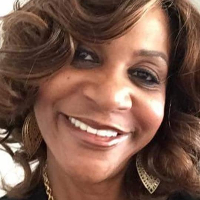
Ohio · 18 yrs exp
Empathetic, practical counseling for life changes
Stress, Anxiety · Trauma and abuse · Grief · Anger · +11 more
Read profile
Ohio · 33 yrs exp
Compassionate counselor for life transitions
Stress, Anxiety · Family · Trauma and abuse · Self esteem · +12 more
Read profile
Illinois · 10 yrs exp
Compassionate counselor for life transitions
Stress, Anxiety · LGBT · Relationship · Trauma and abuse · +10 more
Read profile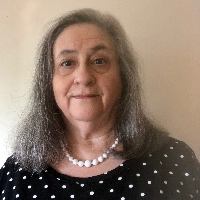
Mississippi · 23 yrs exp
A steady, practical guide through life transitions
Stress, Anxiety · Grief · Anger · Self esteem · +8 more
Read profile
Florida · 10 yrs exp
Practical, compassionate therapy for life transitions
Stress, Anxiety · Addictions · Family · Grief · +8 more
Read profile
South Carolina · 36 yrs exp
Practical support for life transitions
Stress, Anxiety · Addictions · Family · Trauma and abuse · +3 more
Read profile
Florida · 18 yrs exp
Compassionate counselor for life transitions
Stress, Anxiety · Relationship · Grief · Depression · +12 more
Read profile
Michigan · 21 yrs exp
Warm, practical social work support
Stress, Anxiety · Relationship · Family · Bipolar · +14 more
Read profile
Texas · 21 yrs exp
Practical support for life transitions and relationships
Stress, Anxiety · Relationship · Trauma and abuse · Intimacy-related issues · +15 more
Read profile
Missouri · 14 yrs exp
Compassionate counselor focused on practical change
Stress, Anxiety · Self esteem · Career · Depression · +13 more
Read profile
Texas · 10 yrs exp
Counselor focused on practical change
Stress, Anxiety · Relationship · Anger · Self esteem · +16 more
Read profile
Florida · 20 yrs exp
Compassionate practical support for life transitions
Addictions · Relationship · Trauma and abuse · Parenting · +14 more
Read profile
Texas · 23 yrs exp
Guide for life transitions and relationships
Stress, Anxiety · Relationship · Self esteem · Career · +11 more
Read profileFamily of origin often shapes expectations, patterns of communication and the roles you carry into retirement and beyond. In later life you and your loved ones may be juggling major transitions - leaving work, changing health status, grieving the loss of partners or friends, or taking on caregiving responsibilities. These changes can bring long-standing family dynamics back into focus, sometimes with greater intensity than in earlier decades. You might find old tensions resurfacing when decisions must be made about housing, finances or daily care, or when you and adult children reassess boundaries and responsibility.
When you search profiles, you are not looking for a guarantee that a therapist will fix these issues, but for a professional who lists experience with the kinds of relationship themes you want to explore. Therapists who list Family of Origin Issues among their focuses may help you trace how early relationships affect current patterns and to practice ways of communicating about practical and emotional needs in later life. If you are an adult child supporting an older parent, a clinician who understands both aging concerns and family background can help you navigate conversations that balance autonomy, safety and respect.
Family history often intersects with retirement, health changes, loss and loneliness in concrete ways. Retirement can shift daily rhythms and sources of identity that were tied to work, exposing unmet emotional needs rooted in earlier family roles. Health changes may require discussions with relatives about caregiving and decision-making, which can revive unresolved conflicts from your family of origin. Grief for a spouse or close friend may trigger memories of prior losses, and feelings of isolation can deepen if family support is inconsistent or strained.
Caregiving roles are another common bridge between family history and current life. You may find yourself repeating parental patterns when you care for an aging partner, or you may resist those patterns and struggle with guilt. Family relationships can also be a source of meaning in later life, offering opportunities to repair damaged ties or to redefine boundaries that protect your well-being. When you review profiles on this site, look for clinicians who explicitly list experience with both later-life transitions and family-of-origin themes so you can address practical decisions alongside emotional work.
As you read profiles, think in terms of concrete comparisons rather than vague impressions. Which therapists list experience with later-life transitions such as retirement, bereavement or caregiving? Which ones mention family-of-origin concerns specifically? Look for clear indicators of the clinician's approach on their profile, and note that an approach listed does not prove training or certification in that method. For example, you may see descriptions that some therapists list EMDR among their approaches, or that they use narrative, psychodynamic or interpersonal frameworks to explore family patterns. These are discussion points to bring up directly with a clinician.
Pay attention to the combination of academic degrees and professional permissions: degree abbreviations such as PhD, PsyD, MD, MA or MSW tell you about training background, but they do not by themselves confirm current permission to practice. In the United States clinicians commonly list a state license; in the United Kingdom practitioners may indicate registration with a regulator or membership in a professional body; and in Australia clinicians often note registration or association membership. These differences matter because licensing, registration and membership are not the same thing, and you should ask a clinician what their specific standing is if that is important to you.
If you are considering working with someone who offers remote care, clarify practical and interpersonal details up front. Ask how they structure sessions with older adults or with family members, and whether they have experience addressing the particular blend of health, retirement and family issues you face. You can ask whether they are comfortable working via video or phone and how they adapt therapeutic tasks for a remote format, especially when family members in different locations need to join conversations. Discussing how time zones, internet access and device use might affect sessions will help you know what to expect without relying on assumptions.
It is appropriate to ask about communication preferences and boundaries outside of sessions - for example, how to handle urgent concerns or follow-up between meetings - and what kind of support the clinician typically offers to adult children coordinating care. You can also ask about whether the therapist works with individuals, couples or family groups, because a listed focus on Family of Origin Issues does not ensure they will work with multiple people at once. Clear, practical questions about format, technology and scope of practice will give you a better sense of fit before you commit to longer-term work.
Comparing profiles means looking at multiple details together. Start with focus areas and listed approaches, then read bios to understand the clinician's style - whether they describe their work as exploratory, skills-based or supportive. Note which languages are offered if speaking in a specific language matters to you, and whether they mention experience with culturally specific family roles or intergenerational issues. Language and cultural awareness often make a big difference in conversations about family history and expectations.
Look for specifics about populations served and the examples practitioners give of their work with later-life challenges. Profiles may mention interest in grief, role changes after retirement, caregiving transitions or loneliness. Use those mentions to form questions such as: "Can you describe examples of how you work with adult children and older parents?", "What kinds of decisions or practical steps do you help families address?", and "How do you balance emotional processing of family history with immediate practical concerns?" Remember that a listed topic does not establish that the therapist treats children, couples, or families, so asking about clinical scope will clarify whether their practice matches your needs.
Finally, consider credentials and professional standing in context. Academic degrees like PhD, PsyD, MD, MA or MSW indicate training background. If professional permission to practice matters to you, ask about the clinician's current license, registration, or association membership in their jurisdiction. Because this directory covers the United States, the United Kingdom and Australia, comparing how clinicians describe their professional status will help you understand what oversight or regulatory markers apply in their listed location. Combining this information with their stated approach, languages, and examples of work will help you choose a profile that aligns with your goals for working through family of origin issues in later life.
As you move from browsing to contacting clinicians, keep your priorities clear. Decide whether addressing practical decision-making, processing grief, changing roles, or improving communication patterns is most important to you right now. Use the comparison questions above when you reach out to a clinician so you can quickly learn whether their experience and approach match your needs. If you are an adult child supporting an older relative, include information about the listed location and whether joint conversations or separate sessions are your preference. Thoughtful comparison and targeted questions will make it easier to find a profile that feels suitable for this stage of life.
Alabama
85 therapists
Alaska
6 therapists
Arizona
76 therapists
Arkansas
43 therapists
Australia
100 therapists
California
410 therapists
Colorado
124 therapists
Connecticut
40 therapists
Delaware
12 therapists
District of Columbia
13 therapists
Florida
610 therapists
Georgia
177 therapists
Hawaii
17 therapists
Idaho
34 therapists
Illinois
204 therapists
Indiana
72 therapists
Iowa
34 therapists
Kansas
36 therapists
Kentucky
68 therapists
Louisiana
86 therapists
Maine
19 therapists
Maryland
70 therapists
Massachusetts
75 therapists
Michigan
220 therapists
Minnesota
57 therapists
Mississippi
44 therapists
Missouri
142 therapists
Montana
36 therapists
Nebraska
28 therapists
Nevada
32 therapists
New Hampshire
15 therapists
New Jersey
114 therapists
New Mexico
34 therapists
New York
251 therapists
North Carolina
208 therapists
North Dakota
6 therapists
Ohio
135 therapists
Oklahoma
86 therapists
Oregon
46 therapists
Pennsylvania
167 therapists
Rhode Island
8 therapists
South Carolina
95 therapists
South Dakota
9 therapists
Tennessee
84 therapists
Texas
487 therapists
United Kingdom
996 therapists
Utah
30 therapists
Vermont
11 therapists
Virginia
94 therapists
Washington
63 therapists
West Virginia
17 therapists
Wisconsin
101 therapists
Wyoming
16 therapists