
Velma Jones
LCSWNew York · 29 yrs exp
Experienced LCSW focusing on practical emotional support
Stress, Anxiety · Relationship · Trauma and abuse · Depression · +10 more
Read profileTherapist listings are provided by BetterHelp. We will earn a commission at no additional cost to you if you use our links to purchase.
Use this page to compare therapists who list Life Purpose alongside aging and later-life concerns. You can review listed location, approaches, languages, degrees, registrations and how therapists describe their focus.
Browse profiles to identify practitioners you want to learn more about and contact them to discuss whether their approach fits your goals.
New York · 29 yrs exp
Experienced LCSW focusing on practical emotional support
Stress, Anxiety · Relationship · Trauma and abuse · Depression · +10 more
Read profile
North Carolina · 25 yrs exp
Compassionate therapist for life transitions
Stress, Anxiety · Relationship · Family · Grief · +15 more
Read profile
Michigan · 25 yrs exp
Compassionate counselor guiding practical change
Stress, Anxiety · LGBT · Relationship · Grief · +10 more
Read profile
Colorado · 19 yrs exp
Experienced LCSW focused on practical support
Stress, Anxiety · Relationship · Trauma and abuse · Grief · +12 more
Read profile
Florida · 20 yrs exp
Practical support for addiction and life changes
Stress, Anxiety · Addictions · Relationship · Self esteem · +16 more
Read profile
Mississippi · 16 yrs exp
Compassionate relationship-focused counselor
Stress, Anxiety · Relationship · Family · Parenting · +6 more
Read profile
Oregon · 26 yrs exp
Compassionate, practical support for life transitions
Stress, Anxiety · Trauma and abuse · Grief · Depression · +10 more
Read profile
Louisiana · 7 yrs exp
Therapist who blends practical tools with purpose
Stress, Anxiety · Family · Trauma and abuse · Parenting · +15 more
Read profile
New York · 25 yrs exp
Helping people manage change and distress
Stress, Anxiety · Addictions · Trauma and abuse · Self esteem · +11 more
Read profile
Texas · 22 yrs exp
Compassionate practical therapy for life transitions
Stress, Anxiety · Grief · Career · Depression · +9 more
Read profile
Missouri · 16 yrs exp
Practical, empathetic social work for life changes
Stress, Anxiety · Trauma and abuse · Self esteem · Bipolar · +12 more
Read profile
New York · 11 yrs exp
Experienced counselor for life transitions
Stress, Anxiety · Grief · Self esteem · Relationship · +8 more
Read profile
Texas · 10 yrs exp
Calm guidance for practical progress
Stress, Anxiety · Relationship · Family · Depression · +14 more
Read profile
Ohio · 18 yrs exp
Empathetic, practical counseling for life changes
Stress, Anxiety · Trauma and abuse · Grief · Anger · +11 more
Read profile
Ohio · 33 yrs exp
Compassionate counselor for life transitions
Stress, Anxiety · Family · Trauma and abuse · Self esteem · +12 more
Read profile
Illinois · 10 yrs exp
Compassionate counselor for life transitions
Stress, Anxiety · LGBT · Relationship · Trauma and abuse · +10 more
Read profile
Oklahoma · 30 yrs exp
Compassionate counselor who values dignity and progress
Stress, Anxiety · Grief · Intimacy-related issues · Depression · +8 more
Read profile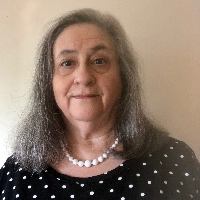
Mississippi · 23 yrs exp
A steady, practical guide through life transitions
Stress, Anxiety · Grief · Anger · Self esteem · +8 more
Read profile
Georgia · 14 yrs exp
Compassionate counselor for life transitions and aging concerns
Stress, Anxiety · LGBT · Trauma and abuse · Anger · +9 more
Read profile
Florida · 10 yrs exp
Practical, compassionate therapy for life transitions
Stress, Anxiety · Addictions · Family · Grief · +8 more
Read profile
South Carolina · 36 yrs exp
Practical support for life transitions
Stress, Anxiety · Addictions · Family · Trauma and abuse · +3 more
Read profile
Michigan · 21 yrs exp
Warm, practical social work support
Stress, Anxiety · Relationship · Family · Bipolar · +14 more
Read profile
Texas · 21 yrs exp
Practical support for life transitions and relationships
Stress, Anxiety · Relationship · Trauma and abuse · Intimacy-related issues · +15 more
Read profile
Wisconsin · 26 yrs exp
Compassionate counselor with practical experience
Stress, Anxiety · Self esteem · Career · Coping with life changes · +11 more
Read profileQuestions about purpose often appear as people move through retirement, cope with health changes, face loss, take on new caregiving roles, or reassess family relationships. You may be noticing shifts in daily routines, fewer social contacts, or a desire to make sense of long-term choices. Adult children and other supporters also look for ways to help older relatives engage in meaningful activities and maintain a sense of contribution. In later life, purpose can mean different things to different people - creative expression, volunteering, mentoring, legacy work, renewed learning, or simplified living with clearer priorities. It can also involve navigating complex emotions that arise after losing roles that once defined you, or balancing responsibilities to others with your own needs. Reading therapist profiles with an eye toward how each clinician describes work around meaning, transitions, grief and relationships can help you find someone whose language resonates with your experience.
This page collects profiles of practitioners who list Life Purpose among their areas of focus and whose broader profiles also reference aging and later-life concerns. That overlap reflects how purpose often intersects with common transitions in later life, but it does not imply any specific training or certification. Therapists may list aging-related concerns and Life Purpose independently; you should treat each listed topic as a statement about what the practitioner chooses to highlight rather than proof of specialized credentials. The directory includes professionals from the United States, the United Kingdom and Australia, and you will see a range of academic degrees such as PhD, PsyD, MD, MA and MSW alongside varied regulatory or membership information. In short, the profiles grouped here can point you toward clinicians who describe an interest in meaning and later-life issues, but you will want to follow up directly to understand their exact experience and scope.
When you contact a therapist or read a profile, have specific questions ready so you can compare how different clinicians describe their work. Ask how they typically help people explore purpose in later life and whether they have experience with retirement transitions, loss and bereavement, caregiving roles, or changing family dynamics. Request clarification about the approaches they list - for example, therapists may list narrative work, meaning-centered approaches, life review, cognitive strategies, mindfulness, or existential counseling among their approaches - and ask how those approaches tend to be adapted for later-life concerns. You should also check how long they have worked with older adults or with people navigating similar transitions. Be attentive to how a practitioner describes their scope: a listed topic does not establish that the therapist treats children, couples, or families. Readers should discuss their needs and the therapist's actual scope directly. Finally, confirm the languages in which a therapist works and whether they describe experience with cultural or generational issues that matter to you.
Before beginning sessions, clarify practical matters so you know what to expect. Ask whether the clinician sees people from their listed location or whether they work remotely with people in other regions, and how local regulations or registration affect the kinds of care they can provide across borders. Discuss session length, communication between sessions, cancellation policies and any fees you need to understand. For remote work, ask how personal information is handled and stored, what platform they use for video conversations, and what to do in an emergency or crisis - including who you would contact locally if urgent help is needed. If mobility, hearing, vision or cognitive changes are a concern for you or your loved one, ask about accessibility accommodations and whether the therapist has experience adapting approaches accordingly. These practical conversations help you and the therapist determine whether their way of working matches your logistical and emotional needs.
When comparing profiles, look beyond single words and into the way a therapist describes their priorities and methods. Notice whether Life Purpose is presented as a core focus or an additional interest, and read examples of issues they mention, such as retirement adjustment, meaning-making after loss, caregiving stress, or reconnecting with social networks. Check which languages are listed so you can communicate comfortably, and pay attention to academic degrees like PhD, PsyD, MD, MA or MSW as indicators of training background; then look for statements about registration or professional memberships for the United Kingdom and Australia or state licenses commonly listed in the United States. Degrees alone do not establish current permission to practice, so search for any registration, licensure or membership notes when that is important to you. Finally, use descriptive language in profiles to assess therapeutic style - some clinicians emphasize practical planning and goal-setting, others foreground reflective life review and meaning exploration, and others blend emotion-focused work with problem-solving. Think about whether you want a more structured conversation about activities and planning or a reflective process exploring values and legacy. Comparing profiles on these concrete dimensions - focus areas, languages, credentials and how they describe their style - will help you identify practitioners to contact and learn more from directly.
As you explore profiles, remember that the right match depends on your goals, communication preferences and the specific later-life concerns you bring. Use the listed location, approach descriptions, language information and credential notes on each profile to narrow your choices, and reach out to discuss any questions you have before committing to a course of work.
Alabama
85 therapists
Alaska
6 therapists
Arizona
76 therapists
Arkansas
43 therapists
Australia
100 therapists
California
410 therapists
Colorado
124 therapists
Connecticut
40 therapists
Delaware
12 therapists
District of Columbia
13 therapists
Florida
610 therapists
Georgia
177 therapists
Hawaii
17 therapists
Idaho
34 therapists
Illinois
204 therapists
Indiana
72 therapists
Iowa
34 therapists
Kansas
36 therapists
Kentucky
68 therapists
Louisiana
86 therapists
Maine
19 therapists
Maryland
70 therapists
Massachusetts
75 therapists
Michigan
220 therapists
Minnesota
57 therapists
Mississippi
44 therapists
Missouri
142 therapists
Montana
36 therapists
Nebraska
28 therapists
Nevada
32 therapists
New Hampshire
15 therapists
New Jersey
114 therapists
New Mexico
34 therapists
New York
251 therapists
North Carolina
208 therapists
North Dakota
6 therapists
Ohio
135 therapists
Oklahoma
86 therapists
Oregon
46 therapists
Pennsylvania
167 therapists
Rhode Island
8 therapists
South Carolina
95 therapists
South Dakota
9 therapists
Tennessee
84 therapists
Texas
487 therapists
United Kingdom
996 therapists
Utah
30 therapists
Vermont
11 therapists
Virginia
94 therapists
Washington
63 therapists
West Virginia
17 therapists
Wisconsin
101 therapists
Wyoming
16 therapists