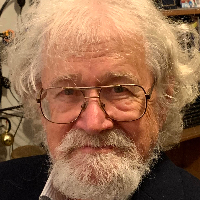
Bruce Barrett, LMHC
Experienced counselor focusing on meaning and recovery
Opens BetterHelp in a new tab, where you can review online therapy options.
At a glance
- Listed location
- Massachusetts
- Experience
- 40+ years
- Credentials
- LMHC
- Languages
- English, German
- License (Massachusetts)
- LMHC · No. 9090
- NPI
- 1922379007
Copied as listed by the therapist. You can check a license with the state board and an NPI with the national registry.
- Narrative oriented
- Mindfulness based
- Works with aging
About Bruce
Bruce works in a conversational, exploratory way. He often uses story-based methods to name problems and separate people from the issues they face. He also brings mindfulness practices and attention to bodily experience to help calm the nervous system and orient during difficult moments.
His background includes long experience in addiction treatment, including work as a Certified Alcoholism Counselor and many years in inpatient and outpatient settings. He is in long-term personal recovery and uses that lived experience to inform his approach without prescribing a single path for everyone.
He blends Jungian and psychodynamic ideas with narrative and mindfulness work to help people identify patterns, make meaning, and shift behaviors that no longer serve them. He often incorporates dream work and techniques drawn from Focusing to help people notice inner signals and move through uncertainty.
Bruce aims to create a steady, thoughtful space where clients can talk through grief, explore career and life purpose, address hoarding or end-of-life concerns, and cope with disaster or immigration stress. He encourages practical steps alongside reflection, so people leave sessions with both insight and next steps.
Areas of expertise
Primary focus
Also works with
Additional focus areas
Therapeutic approaches
Experience
40+ years
Credentials
Massachusetts
Languages
English, German
Approaches that guide online work and goals
Jungian Therapy looks at symbols, dreams, and patterns that show up across a person’s life. It can help people make sense of recurring themes and find deeper meaning in their experiences. Narrative Therapy helps separate a person from their problems by re-authoring the stories people tell about themselves and their lives, which can change how they act and feel.Bruce combines these perspectives with mindfulness practices and trauma-focused attention to help people slow down, notice what matters, and try different responses. Choosing the right approach is a collaborative process. The therapist will discuss goals, preferences, and day-to-day needs and adjust methods as work unfolds.
The biography does not list explicit session formats, so confirm current options before booking. Many people find online options useful because they make it easier to fit sessions into a workday, cut travel time, and offer more flexible timing for check-ins. Others prefer meeting in person when available for longer, deeper work. The focus is on finding a setup that supports steady progress and fits the client's life.
Frequently asked questions
Which concerns does Bruce help people address?
He helps people with stress, anxiety, addictions, trauma and abuse, depression, grief, anger, relationship strain, ADHD, career issues, and coping with life changes. He also focuses on aging and geriatric issues, autism and Asperger Syndrome, hospice and end-of-life counseling, and related areas.
What is his therapeutic approach and style?
He uses a narrative, story-based approach alongside mindfulness and psychodynamic ideas. Sessions tend to be conversational, with attention to dreams, bodily sensing, and practical steps clients can try between meetings.
How much experience does he have?
He brings about 40 years of clinical experience, including long work in addiction treatment and many years as a Licensed Mental Health Counselor in Massachusetts.
What credentials and region should I know about?
He holds an MA and practices as an LMHC in Massachusetts. No additional credential details are provided here.
Which languages are available for sessions?
Sessions are offered in English and German. International clients are not accepted at this time.
What session formats are offered?
The original biography does not list specific session formats. Please confirm current session options before booking so you know whether in-person or remote visits are available.
How does payment and cost work?
Cost varies with location and therapist availability, and sessions use a subscription that can be canceled at any time. Exact pricing depends on the match and scheduling details.
How do I begin working with him?
Use the Start Therapy button, complete a short matching questionnaire, and schedule according to the therapist's availability. The questionnaire helps match needs and preferences before scheduling.