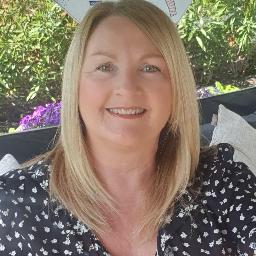
Paula Appleton, BACP, NCPS
Experienced integrative counsellor for life changes
Opens BetterHelp in a new tab, where you can review online therapy options.
At a glance
- Listed location
- United Kingdom
- Experience
- 14+ years
- Credentials
- BACP, NCPS
- Languages
- English, American Sign Language
- Registration (United Kingdom)
- BACP · No. 191689
- Registration (United Kingdom)
- NCPS · No. NCS22-02588
Copied as listed by the therapist. You can check a registration with the body that issued it.
- 14 years experience
- Integrative approach
- Works with Deaf clients
About Paula
She often supports people facing stress, anxiety and depression. Paula also helps with relationship and intimacy issues, addiction, grief and trauma. Her practice includes work linked to parenting, sleep and eating concerns, career questions and coping with life changes. She has a particular focus on aging and geriatric issues alongside areas such as caregiving stress and chronic illness.
Paula uses a flexible, integrative style rather than one fixed method. She draws on therapies like Cognitive Behavioural Therapy, Acceptance and Commitment Therapy, Attachment-Based approaches and Dialectical Behaviour Therapy to match what the person needs. Sessions tend to be practical and focused on clearer thinking and manageable steps.
She is experienced working with Deaf and hard of hearing people and uses Signed Supported English and British Sign Language at a qualified level. Paula also works with LGBT concerns, ADHD, and complex presentations such as co-morbidity and attachment difficulties.
People can expect a calm, straightforward space to talk things through and try new ways of coping. To begin, clients complete a short matching questionnaire and then arrange sessions according to the therapist's schedule.
Areas of expertise
Primary focus
Also works with
Additional focus areas
Therapeutic approaches
Experience
14+ years
Credentials
United Kingdom, United Kingdom
Languages
English, American Sign Language
How therapy approaches can work online
Acceptance and Commitment Therapy, or ACT, focuses on helping people notice what matters to them and take small committed steps toward those values while learning to sit with difficult thoughts. It can be useful for stress, anxiety and coping with life changes. Cognitive Behavioural Therapy, CBT, looks at links between thoughts, feelings and actions and helps people try practical experiments to shift unhelpful patterns; it is often used for anxiety, depression and sleep or eating concerns. Attachment-Based Therapy pays attention to how early relationships shape current patterns and can help with intimacy, attachment issues and relationship difficulties.Finding the right approach is part of the process. The therapist will work collaboratively to test methods and adjust what they do together based on a person's goals, preferences and how they respond. That means sessions can change over time if something else seems a better fit.
Practical benefits of online work depend on the session options available, so check current formats before booking. In general, online sessions can make it easier to fit counselling into a busy day, reduce travel time, and allow shorter check-ins when needed. They can also help people who find on-screen work less tiring by choosing audio-only options where available. Confirm the exact session types offered when you arrange an appointment.
Frequently asked questions
What kinds of problems does Paula help with?
She supports people with stress, anxiety, depression and trauma, and also works with issues such as addiction, grief, relationship and intimacy concerns, parenting, and ageing-related challenges.
How would she describe her therapeutic style?
Paula uses an integrative approach, blending methods like CBT, ACT, DBT and attachment-based work to suit each person's needs and goals.
How much experience does she have?
She has 14 years of clinical experience working with a range of presenting issues in the United Kingdom.
What credentials and location are listed?
Paula holds BACP and NCPS credentials and practises in the United Kingdom.
Which languages are available for sessions?
Sessions are offered in English and American Sign Language, and she also uses Signed Supported English and British Sign Language at a qualified level.
What session formats are offered?
Session formats are not specified in the biography; please confirm current session options with the service before booking.
How does payment and cost work?
Cost varies with location and therapist availability; sessions use a subscription that can be cancelled at any time.
How do I begin working with Paula?
Select the Start Therapy button, complete a short matching questionnaire, and schedule sessions according to the therapist's availability.