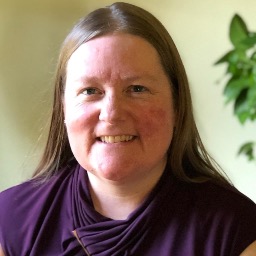
Lisa Warden, LMSW, LCSW
Compassionate social worker focused on recovery and aging
Opens BetterHelp in a new tab, where you can review online therapy options.
At a glance
- Listed location
- Michigan
- Experience
- 16+ years
- Credentials
- LMSW, LCSW
- Languages
- English
- License (Michigan)
- LMSW · No. 6801092488
- License (Utah)
- LCSW · No. 128949543501
- License (Maine)
- LCSW · No. LC21513
- License (North Dakota)
- LCSW · No. 6456
- NPI
- 1730339375
Copied as listed by the therapist. You can check a license with the state board and an NPI with the national registry.
- Warm and flexible
- Emphasizes practical skills
- Body-mind aware
About Lisa
She has spent much of her career supporting people in recovery from trauma, addiction, and personality-related struggles. That work includes helping with anxiety, depression, grief, relationship and intimacy concerns, and a broad range of life transitions. Lisa also lists aging and geriatric issues among areas she addresses.
Lisa uses a warm, flexible style in sessions and often brings gentle humor. She aims to meet each person where they are and to offer encouragement alongside practical skills. Sessions emphasize real-life tools people can try between meetings.
Her approach pulls from client-centered methods, cognitive behavioral therapy, dialectical behavior therapy, existential ideas, and EMDR when appropriate. She pays attention to patterns that keep people stuck and helps them test alternatives in small steps.
People who want a straightforward, compassionate clinician may find her style helpful. She works collaboratively and focuses on what a person wants to change. To begin, readers can use the Start Therapy button and complete the short matching questionnaire to schedule based on availability.
Areas of expertise
Primary focus
Also works with
Additional focus areas
Therapeutic approaches
Experience
16+ years
Credentials
Michigan, Utah, Maine, North Dakota
Languages
English
How therapeutic approaches guide online work
Client-Centered Therapy focuses on listening closely and following the person's goals. The therapist creates a supportive space so people can talk through what matters and choose their next steps. Cognitive Behavioral Therapy (CBT) looks at the connections between thoughts, feelings, and actions. It teaches clear, practical tools to change patterns like worry, avoidance, or unhelpful habits. Dialectical Behavior Therapy (DBT) builds skills for managing strong emotions and improving relationships by blending acceptance and change strategies.Choosing the right approach is part of the work together. The therapist will talk with each client about their goals, life situation, and preferences. That collaborative discussion guides whether to emphasize CBT skills, DBT strategies, a client-centered stance, or other methods like EMDR when relevant.
The original biography did not list specific online session formats, so confirm current options before booking. Online therapy can make it easier to fit sessions into a busy life, reduce travel time, and allow shorter or more frequent check-ins when needed. It also lets people keep therapy consistent through life changes while the therapist and client test which approaches and rhythms work best.
Frequently asked questions
What concerns does she address?
She helps people with stress, anxiety, addictions, trauma and abuse, grief, depression, relationship and intimacy issues, and many other life challenges including aging and geriatric issues.
What is her general therapy style?
Her style is warm and flexible and she often uses gentle humor. Sessions focus on meeting people where they are and building practical skills.
How much clinical experience does she have?
She has 16 years of experience working in social work and clinical settings, including long-term work with trauma and addiction recovery.
What credentials does she hold and where is she located?
She holds the credentials LMSW (Master Social Worker) and LCSW (Licensed Clinical Social Worker) and is based in Michigan.
Which languages are supported for sessions?
Sessions are offered in English and she also accepts international clients.
What session formats are available?
The original biography does not list specific session formats. Please confirm current session options before scheduling.
How does payment and cost work?
Cost varies with location and therapist availability; sessions use a subscription that can be canceled at any time.
How do I begin working with her?
Use the Start Therapy button, complete the short matching questionnaire, and then schedule according to therapist availability.