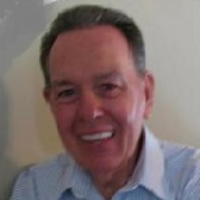
Dr. Tommy Frye, LMHC, LPC
Compassionate, practical counseling for life changes
Opens BetterHelp in a new tab, where you can review online therapy options.
At a glance
- Listed location
- Florida
- Experience
- 25+ years
- Credentials
- LMHC, LPC
- Languages
- English
- License (Florida)
- LMHC · No. MH8374
- License (Virginia)
- LPC · No. 0701011467
- NPI
- 1093904377
Copied as listed by the therapist. You can check a license with the state board and an NPI with the national registry.
- Stress and anxiety
- Practical coping skills
- Aging and caregiver focus
About Tommy
Dr. Frye favors a direct, practical approach in sessions. He listens first, then helps people set clear goals and steps to reach them. He uses conversational techniques to identify unhelpful patterns and build new habits that fit daily life.
His toolbox includes Client-Centered work, Cognitive Behavioral Therapy, Emotionally-Focused Therapy, Mindfulness practices, and Motivational Interviewing. These approaches are used to address thinking patterns, emotional connection, motivation, and present-moment coping. Treatment plans are tailored to the person rather than a one-size-fits-all method.
Over his career Dr. Frye has supported people across many stages of life and a range of concerns. He aims to create a comfortable, empathetic space where people feel heard. In sessions he typically clarifies priorities, teaches practical skills, and reviews progress over time.
To begin, he asks about a person’s most pressing issue and collaborates on a plan to improve functioning across physical, mental, spiritual, and emotional areas. He frames therapy as a partnership focused on helping people move toward greater peace and satisfaction.
Areas of expertise
Primary focus
Also works with
Additional focus areas
Therapeutic approaches
Experience
25+ years
Credentials
Florida, Virginia
Languages
English
Approaches that guide online work
The therapist commonly uses Client-Centered Therapy and Cognitive Behavioral Therapy in his work. Client-Centered Therapy focuses on active listening and helping people find their own solutions through a supportive relationship, which helps when someone needs space to sort feelings or make decisions. Cognitive Behavioral Therapy targets thoughts and behaviors by identifying unhelpful patterns and practicing concrete skills to change reactions and mood.Finding the right approach is part of the process. The therapist will collaborate with each person to choose methods that match their goals, preferences, and the specific issues they bring. This means trying techniques, checking what helps, and shifting focus when needed.
The original biography does not list specific online session formats, so confirm current options before booking. In general, online work can make it easier to fit sessions into a busy week, allow shorter check-ins when time is limited, and remove travel time so people can use therapy around work or caregiving duties. Licensed professionals can adapt exercises and mindfulness practices to an online setting so people can use tools in their daily routines.
Frequently asked questions
What concerns does Dr. Frye address?
He works with stress, anxiety, depression, grief, relationship and intimacy issues, addictions, ADHD, and many life changes. Additional focus areas include aging and geriatric issues, caregiver stress, adoption and foster care, and attachment concerns.
What is his therapy style like?
The approach is practical and person-centered. He listens first, helps set clear goals, and uses straightforward exercises to change thinking and behavior.
How much clinical experience does he have?
He has 25 years of experience working with children, adolescents, youth, and adults in a range of settings. That background informs how he shapes treatment plans.
What credentials and location are listed for Dr. Frye?
He holds the credentials LMHC and LPC, with license details FL LMHC and VA LPC, and is based in Florida.
In what language are sessions offered?
Sessions are offered in English, and he does accept international clients.
Which session formats are available?
The biography does not specify session formats, so please confirm current session options before booking.
How does his pricing work?
Cost varies with location and therapist availability; sessions use a subscription that can be canceled at any time.
What are the steps to start working together?
Select the Start Therapy button, complete a short matching questionnaire, and schedule according to therapist availability.