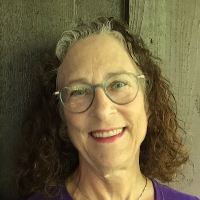
Dr. Susan Gurvich, LPC
Experienced LPC helping people navigate life changes
Opens BetterHelp in a new tab, where you can review online therapy options.
At a glance
- Listed location
- Texas
- Experience
- 25+ years
- Credentials
- LPC
- Languages
- English
- License (Texas)
- LPC · No. 10180
- NPI
- 1538731591
Copied as listed by the therapist. You can check a license with the state board and an NPI with the national registry.
- Compassionate listener
- Practical coping skills
- Focus on relationships
About Susan
Her approach starts with listening. She asks about everyday struggles and goals, then helps create practical steps that fit real life. Sessions focus on understanding patterns, learning skills for emotion regulation, and trying small experiments to see what helps.
She has worked in hospital and outpatient settings and has long experience supporting people with relationship and communication problems, caregiving strain, mood concerns such as bipolar and depression, trauma and abuse, grief, and issues related to gender and LGBT identities. She also addresses aging and geriatric issues alongside other concerns like chronic illness, caregiver stress, and isolation.
In sessions she draws on acceptance and commitment ideas, client-centered work, dialectical behavior strategies, hypnotherapy, and mindfulness practices. That mix is used to match tools to a person’s needs rather than follow a single formula.
She aims to help people notice what gets in the way, try new coping methods, and set achievable goals. The focus is on practical change and clearer choices, with steady support along the way.
Areas of expertise
Primary focus
Also works with
Additional focus areas
Therapeutic approaches
Experience
25+ years
Credentials
Texas
Languages
English
How therapy approaches shape online care
Acceptance and Commitment Therapy (ACT) helps people notice thoughts and feelings without getting stuck in them and then commit to actions that match their values. It is useful for anxiety, depression, and coping with life transitions. Client-Centered Therapy focuses on creating an accepting, nonjudgmental space where the person leads the conversation and the therapist reflects understanding and support. It helps people build self-understanding and confidence. Dialectical Behavior Therapy (DBT) teaches practical skills for emotion regulation, distress tolerance, and clearer interpersonal communication, which can be helpful for intense emotions and relationship challenges.Figuring out which approach fits best is part of the work together. The therapist will talk with the client about goals, preferences, and what feels most useful. Treatment choices are decided collaboratively and can change as needs evolve.
Confirm current session options before booking to know which formats are offered. Online therapy can make it easier to fit sessions into a busy life, reduce travel time, and allow shorter check-ins when schedules are tight. It can also let people use video to read facial expressions or use phone or text if that suits them better. Licensed professionals adapt techniques like mindfulness exercises, ACT values work, and DBT skills training to work in remote sessions so clients can practice tools between meetings.
Frequently asked questions
What kinds of concerns does this therapist commonly address?
She works with stress, anxiety, depression, grief, trauma and abuse, relationship problems, caregiver strain, bipolar concerns, ADHD, and issues related to LGBT identity and gender dysphoria.
How would you describe the therapeutic style and approach?
Her style is warm and respectful, centered on listening and collaboration. She blends acceptance and commitment, client-centered work, DBT strategies, hypnotherapy, and mindfulness to match tools to each person's needs.
What is her clinical background and experience?
She has 25 years of experience in behavioral health and has worked in both hospital and outpatient settings supporting people with a wide range of challenges.
Where is the therapist based and what credential does she hold?
She is located in Texas and holds the credential LPC, which stands for licensed professional counselor.
Which languages are supported for sessions?
Sessions are offered in English.
Does she work with clients outside the United States?
International clients are not currently accepted.
How are fees and payment handled?
Cost varies with location and therapist availability; sessions use a subscription that can be canceled at any time.
What should I do to begin working together?
Click the Start Therapy button, complete a short matching questionnaire, and then schedule according to the therapist's availability.