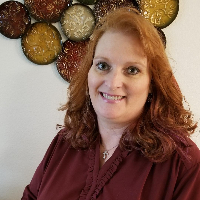
Shelly Sanders, LCSW
Compassionate, practical therapy for life transitions
Opens BetterHelp in a new tab, where you can review online therapy options.
At a glance
- Listed location
- Idaho
- Experience
- 9+ years
- Credentials
- LCSW
- Languages
- English
- License (Idaho)
- LCSW · No. LCSW - 39692
- NPI
- 1396274056
Copied as listed by the therapist. You can check a license with the state board and an NPI with the national registry.
- Skills focused
- Collaborative
- Respectful care
About Shelly
Shelly brings nine years of therapy experience to her practice in Idaho. She uses a warm, interactive, client-centered style that treats each person with respect. Sessions aim to be collaborative and focused on realistic goals that fit daily life.
Her approach draws on several evidence-informed methods. Cognitive Behavioral Therapy helps people notice and change thought and behavior patterns. Dialectical Behavior Therapy offers tools for emotion regulation and distress tolerance. Attachment-based work looks at relationship patterns and how they affect current struggles.
Shelly also uses Eye Movement Desensitization and Reprocessing when it seems helpful for processing traumatic memories. Treatment plans are tailored to what each person needs and are meant to be specific and time-sensitive. She emphasizes skills you can practice outside of sessions.
Shelly aims to create a supportive space for people facing life transitions, chronic health challenges, and caregiving burdens. If you want straightforward, skill-focused therapy with an empathic clinician, she can help you identify the next steps and build a plan to move forward.
Areas of expertise
Primary focus
Also works with
Additional focus areas
Therapeutic approaches
Experience
9+ years
Credentials
Idaho
Languages
English
How these approaches translate to online therapy
Attachment-Based Therapy focuses on how early and current relationships shape feelings and reactions. In practice this means talking about patterns in relationships and trying small changes to how you connect with others to reduce stress and improve trust.Cognitive Behavioral Therapy, or CBT, looks at the links between thoughts, feelings, and actions. It gives clear tools to change unhelpful thinking and to build new habits, which can help with anxiety, depression, sleep, and daily functioning.
Eye Movement Desensitization and Reprocessing, EMDR, is a method used to help process traumatic memories. When appropriate, it can be integrated into sessions to reduce the intensity of painful memories and related symptoms.
Finding the right approach is part of the work. The therapist will talk with you about your goals, preferences, and what feels manageable. Together you will choose methods and set steps that fit your needs and everyday life.
If you are considering online therapy, check which session formats are currently offered before booking. Confirming options ensures sessions fit your routine. Many people find online work useful because it can make scheduling easier, reduce travel time, and allow shorter check-ins when helpful. A collaborative plan helps you practice skills between meetings and apply them where you live and work.
Frequently asked questions
What concerns does Shelly commonly address?
Shelly works with stress, anxiety, depression, trauma and abuse, anger, ADHD, addictions, relationship and family concerns, grief, parenting challenges, and issues tied to aging and geriatric needs.
How would you describe her therapy style?
Her style is warm and interactive with a client-centered focus. Sessions are collaborative and aim to create realistic, time-sensitive plans.
What experience does she bring?
She has nine years of clinical therapy experience and a longer background in mental health settings working with children, adolescents, and adults.
What credentials and location should I know about?
Shelly holds an LCSW credential and practices in Idaho.
Which languages are sessions offered in?
Sessions are offered in English only.
What session formats are available?
The biography does not list specific session formats; please confirm current session options when you schedule.
How are fees handled?
Cost varies with location and therapist availability; sessions use a subscription that can be canceled at any time.
How do I begin if I want to work with Shelly?
Use the Start Therapy button, complete a short matching questionnaire, and schedule according to therapist availability.