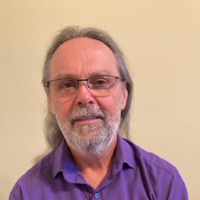
Robert Bronson, LCSW
Calm, practical therapy for life transitions
Opens BetterHelp in a new tab, where you can review online therapy options.
At a glance
- Listed location
- Arkansas
- Experience
- 19+ years
- Credentials
- LCSW
- Languages
- English
- License (Arkansas)
- LCSW · No. 2146-C
- NPI
- 1629262902
Copied as listed by the therapist. You can check a license with the state board and an NPI with the national registry.
- Trauma informed
- Values-based work
- Mindfulness methods
About Robert
He describes a warm, compassionate approach that mixes practical strategies with a sense of humor when appropriate. Sessions typically begin with listening to a person's story and identifying clear, manageable goals. From there he uses tools that fit what the person needs, whether that means changing unhelpful thoughts, building coping skills, or strengthening emotional connection.
His work draws on cognitive behavioral techniques to spot and shift patterns of thought and behavior. He also uses Acceptance and Commitment Therapy and mindfulness practices to help people live in line with their values while tolerating hard feelings. Emotionally-Focused Therapy elements may be used to address relationship and attachment concerns.
Robert has dealt extensively with trauma recovery, PTSD, and related stress reactions across his career. He also supports people facing end-of-life issues, hospice-related concerns, and the stresses common to first responders and veterans. He helps people sort family-of-origin patterns, control issues, and midlife or career crossroads.
People who choose him can expect straightforward guidance, collaborative planning, and tools they can use between sessions. He emphasizes practical steps and steady progress rather than quick fixes. To begin, clients complete a brief questionnaire and schedule a first appointment.
Areas of expertise
Primary focus
Also works with
Additional focus areas
Therapeutic approaches
Experience
19+ years
Credentials
Arkansas
Languages
English
How therapy approaches guide online care
Acceptance and Commitment Therapy, or ACT, helps people clarify what matters to them and take small steps toward those values even when feelings are difficult. It often suits people coping with chronic worry, life changes, or grief. Cognitive Behavioral Therapy, or CBT, focuses on identifying patterns of thought and behavior and testing them with practical exercises to reduce anxiety and depression. This approach works well for mood disorders, sleep problems, and stress. Mindfulness Therapy teaches simple attention and breathing practices to reduce reactivity and improve focus, which can help with anger, anxiety, and trauma symptoms.Choosing the right approach is a collaborative process. The therapist will listen to your goals and preferences and suggest methods to try. Sessions can mix elements from different approaches to match what helps you most, and progress is reviewed together so the work stays relevant.
Confirm the current session options before booking, as formats are not specified here. Online therapy can make it easier to fit sessions into a busy life, reduce commute time, and allow shorter check-ins when days are tight. It can also let people access a therapist while managing health or mobility limits. Discuss scheduling preferences and practical needs during the matching and intake steps so appointments work with everyday routines.
Frequently asked questions
What issues does Robert focus on?
He works with stress, anxiety, trauma and abuse, sleeping problems, anger, depression, addictions, grief, self-esteem, and many mood disorders. He also lists aging and geriatric issues among his additional focuses.
What is his general therapy style?
His approach is warm and compassionate with practical, goal-focused work. He listens to your story and blends strategies like mindfulness and behavioral techniques.
How much clinical experience does he have?
He has 19 years of clinical experience working with trauma, PTSD recovery, depression, anxiety, and lifestyle change.
What credentials and region apply?
He is a Licensed Clinical Social Worker, LCSW, licensed in Arkansas and practices there.
Which languages are supported?
Sessions are offered in English.
Can international clients work with him?
He does not accept international clients at this time.
How are fees and payment handled?
Cost varies with location and therapist availability; sessions use a subscription model that can be canceled at any time.
How do I start a session?
Use the Start Therapy button, complete a short matching questionnaire, and then schedule according to the therapist's availability.