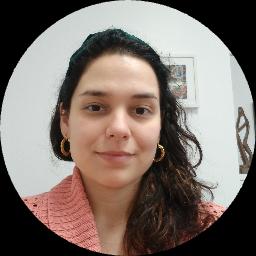
Rachel Khan-McCroy, LCSW
Compassionate, skills-focused therapy for change
Opens BetterHelp in a new tab, where you can review online therapy options.
At a glance
- Listed location
- New Jersey
- Experience
- 11+ years
- Credentials
- LCSW
- Languages
- English
- License (New York)
- LCSW · No. 085913
- License (New Jersey)
- LCSW · No. 44SC05906600
- NPI
- 1871138792
Copied as listed by the therapist. You can check a license with the state board and an NPI with the national registry.
- Client-centered care
- CBT and mindfulness
- Grief and trauma
About Rachel
Areas of expertise
Additional focus areas
Therapeutic approaches
Experience
11+ years
Credentials
New York, New Jersey
Languages
English
How therapeutic approaches translate to online work
Client-Centered Therapy focuses on listening, empathy, and following the person's lead. It helps when someone needs a calm space to tell their story and identify what matters most to them. Cognitive Behavioral Therapy, or CBT, looks at the link between thoughts, feelings, and actions and introduces practical techniques for shifting unhelpful patterns. It is useful for depression, anxiety, and self-esteem work.Finding the right approach is a collaborative process. Rachel will work with each person to choose methods that match goals and preferences. That may mean combining reflective conversation with skill practice like thought records, grounding exercises, or mindfulness practices to see what fits best.
The biography does not specify which session formats are used, so confirm current options before booking. Online therapy can make regular sessions easier to fit into a busy life, reduce travel time, and let people keep continuity of care across locations. It can also allow shorter check-ins when time is tight, and easier access during caregiving or medical appointments. Licensed professionals tailor session rhythm and content so therapy supports everyday routines rather than replacing them.
Frequently asked questions
What concerns does Rachel focus on?
She focuses on trauma and abuse, grief, self-esteem, depression, and coping with life changes, with additional attention to issues like aging and geriatric concerns, caregiver stress, chronic illness, and attachment difficulties.
How would you describe her therapeutic style?
Her style is collaborative and supportive, combining client-centered conversation with practical skills such as cognitive behavioral and mindfulness techniques to address thoughts, emotions, and behaviors.
What sort of professional background does she bring?
Rachel has about 11 years of professional experience in social work and has worked with people facing complex grief, PTSD, mood disorders, disordered eating, addiction, and caregiving challenges.
Where is Rachel licensed and based?
She holds LCSW credentials and is licensed in New Jersey and New York, and practices out of New Jersey.
Which languages are supported for sessions?
Sessions are offered in English, and she also accepts international clients.
What session formats are offered?
The original biography does not list specific session formats; please confirm current session options before booking.
How does payment and cost work?
Cost varies with location and therapist availability, and sessions use a subscription that can be canceled at any time.
How do I begin working with her?
Select the Start Therapy button, complete the short matching questionnaire, and schedule according to therapist availability.