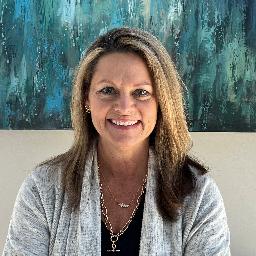
Marshella Stone Davis, LPC
Helping people build practical skills and clarity
Opens BetterHelp in a new tab, where you can review online therapy options.
At a glance
- Listed location
- Texas
- Experience
- 24+ years
- Credentials
- LPC
- Languages
- English
- License (Texas)
- LPC · No. 17294
- NPI
- 1962159046
Copied as listed by the therapist. You can check a license with the state board and an NPI with the national registry.
- Client-centered care
- Solution-focused steps
- CBT-informed techniques
About Marshella
She uses client-centered listening to understand each person's goals first. Then she blends solution-focused techniques and elements of cognitive behavioral therapy to challenge unhelpful thoughts and try new behaviors. Sessions are framed around clear, achievable steps so progress is visible and usable in daily life.
Marshella has worked with adults, parents, and teens on issues such as parenting strain, caregiver stress, body image, and substance problems. She also supports people navigating life changes, career concerns, compassion fatigue, and intimacy or communication problems. Aging and geriatric issues are included among her additional focus areas when relevant to a person's goals.
Her background includes a Master of Education from the University of Houston–Victoria and a bachelor’s degree in English and Communication from Angelo State University. She emphasizes strengths people already have and helps them build practical skills to improve functioning.
In sessions she listens, offers perspective, and suggests small experiments clients can use between meetings. The work is collaborative - clients set goals and she helps shape a plan to reach them.
Areas of expertise
Primary focus
Also works with
Additional focus areas
Therapeutic approaches
Experience
24+ years
Credentials
Texas
Languages
English
How her approaches can work online
Client-centered therapy begins by focusing on the person's own priorities and feelings. The therapist listens closely, reflects back what she hears, and helps people decide what goals matter most. This approach supports issues like low self-esteem, relationship concerns, and coping with life changes.Cognitive behavioral therapy, or CBT, looks at thoughts and behaviors that keep problems going. It helps identify unhelpful thinking patterns and tries simple experiments to change responses. CBT can be useful for anxiety, depression, and some addiction-related habits.
Solution-focused therapy concentrates on small, practical steps toward clear goals. Rather than spending many sessions on the past, it helps people try concrete strategies and notice what works. This can make progress easier to see and build momentum during treatment.
Choosing the right approach is a collaborative process. The therapist will discuss options, try methods, and adjust based on what the person needs and prefers. Goals and pacing are set together so the work fits into the client's life.
The biography does not list specific session formats. Confirm current options before booking to learn whether online or in-person meetings are offered. Online work can make it easier to fit therapy into a busy schedule, reduce travel time, and allow shorter check-ins when those are helpful.
Frequently asked questions
What concerns does she help with?
She helps people with stress, anxiety, depression, relationship and family issues, grief, addictions, caregiver strain, aging and geriatric concerns, and related challenges.
What is her therapeutic style like?
Her style is client-centered and practical. She listens first, then uses solution-focused and cognitive behavioral ideas to set achievable steps.
How much experience does she have?
She has 24 years of counseling experience working with adults, parents, and teens on a range of life issues.
What credentials and region are listed?
She is a Licensed Professional Counselor (LPC) practicing in Texas.
Which languages are supported and can she see international clients?
Sessions are offered in English. International clients are not currently accepted.
What session formats are offered?
The original biography does not specify session formats. Confirm current session options before booking to know whether in-person or online sessions are available.
How is cost handled?
Cost varies with location and therapist availability; sessions use a subscription that can be canceled at any time.
How do I begin working with her?
Use the Start Therapy button, complete a short matching questionnaire, and schedule according to therapist availability.