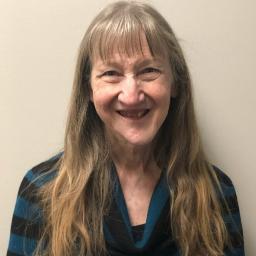
Karen Murphree, LCSW
Compassionate whole-person therapy for life changes
Opens BetterHelp in a new tab, where you can review online therapy options.
At a glance
- Listed location
- Montana
- Experience
- 30+ years
- Credentials
- LCSW
- Languages
- English
- License (Kansas)
- LSCSW · No. LSCSW 1496
- License (Washington)
- LICSW · No. LW00004122
- License (Missouri)
- LCSW · No. 2022026451
- License (Montana)
- LCSW · No. BBH-LCSW-LIC-62799
- License (Idaho)
- LCSW · No. LCSW-44088
- License (Oregon)
- LCSW · No. L14851
- NPI
- 1568921658
Copied as listed by the therapist. You can check a license with the state board and an NPI with the national registry.
- Strength-based approach
- Creative therapeutic tools
- LGBTQIA2S+ affirming
About Karen
She helps people who struggle with stress, anxiety, grief, low self-esteem, depression, and major life changes. She also supports those coping with trauma, relationship challenges, intimacy concerns, anger, compassion fatigue, and issues related to aging and geriatric adjustments. Karen is LGBTQIA2S+ affirming and openly welcomes clients with diverse identities and relationship styles.
Her work draws on several familiar methods, including cognitive behavioral strategies and dialectical behavior skills, along with attachment-informed perspectives. She also uses creative techniques such as guided imagery, music, art, movement, and ritual when those tools fit a person’s needs. Karen links these options to everyday habits like sleep and nutrition to make changes feel practical.
Clients can expect a conversational, nonjudgmental space where curiosity guides treatment. Karen shares educational resources and homework when helpful. She looks to help people spot patterns, try new approaches, and build on their own strengths.
Outside of clinical work she practices animist spirituality, loves nature, and enjoys gardening, cooking, and making herbal self-care products. That personal background informs a flexible approach to healing rooted in lived experience.
Areas of expertise
Also works with
Additional focus areas
Therapeutic approaches
Experience
30+ years
Credentials
Kansas, Washington, Missouri, Montana, Idaho, Oregon
Languages
English
How these approaches translate to online work
Attachment-Based Therapy focuses on how early relationships shape current patterns. Online sessions can use conversations and reflective exercises to notice those patterns and try new ways of relating. Cognitive Behavioral Therapy, or CBT, breaks down thoughts, feelings, and actions into small steps and gives practical strategies to change unhelpful patterns. It is useful for anxiety, depression, and stress and translates well to talk-based sessions and homework between meetings.Choosing the right approach is part of therapy. The therapist will work collaboratively to figure out which methods fit a person's goals, needs, and comfort level. That exploration may include trying different techniques and tracking what helps most over time.
The practical benefits of online therapy often include easier scheduling, fewer travel needs, and smoother integration into a daily routine. Online work can make it simpler to follow through on short assignments, review shared educational resources, and check in more frequently during transitional periods. Confirm the current session options before booking so you know which formats are offered and can pick what fits your life.
Frequently asked questions
What concerns does Karen commonly address?
She works with stress, anxiety, grief, low self-esteem, depression, and coping with life changes. Additional focuses include trauma and abuse, intimacy issues, caregiver stress, chronic illness, and aging and geriatric issues.
How would you describe her therapy style?
Her approach is conversational and strength-based. She combines practical skills with creative methods like art, guided imagery, and movement when useful.
What kind of background does she bring to sessions?
Karen has 30 years of clinical experience and a history working in both traditional psychotherapy and holistic health approaches. She also has a nursing background and additional coursework in natural healing and health coaching.
What are her credentials and where is she located?
She holds the credential LCSW and is licensed in Oregon and Missouri as OR LCSW and MO LCSW. She practices from Montana.
Which languages are supported in sessions?
Sessions are offered in English.
Can people outside the U.S. work with her?
She is not currently accepting international clients.
How are session costs handled?
Cost varies with location and therapist availability, and sessions use a subscription model that can be canceled at any time.
What should I do to begin therapy?
Select the Start Therapy button, complete the short matching questionnaire, and then schedule sessions based on the therapist's listed availability.