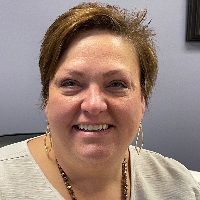
Hope Spencer, LPC
Compassionate counselor focused on practical change
Opens BetterHelp in a new tab, where you can review online therapy options.
At a glance
- Listed location
- Mississippi
- Experience
- 22+ years
- Credentials
- LPC
- Languages
- English
- License (Mississippi)
- LPC · No. 1144
- NPI
- 1285304352
Copied as listed by the therapist. You can check a license with the state board and an NPI with the national registry.
- Client-centered approach
- CBT and mindfulness
- Life transitions support
About Hope
Hope uses a mix of approaches chosen to fit each person's needs. She commonly draws on Client-Centered Therapy to follow the person's pace and priorities. Cognitive Behavioral Therapy (CBT) is used when identifying and changing unhelpful thoughts and behaviors makes sense. Solution-Focused Therapy helps set short-term goals and notice small changes.
Hope describes herself as a good listener who brings energy, sensitivity, and a sense of humor to sessions. She emphasizes building trust before moving into skills or problem-solving. That foundation helps people feel heard and decide practical next steps.
Her work covers many concerns, including ADHD, bipolar mood issues, trauma and abuse, eating and self-esteem struggles, caregiving stress, adoption and foster care questions, and aging and geriatric issues. Hope also helps with career stress, parenting-related strain, and family-of-origin patterns that keep coming up.
Clients can expect straightforward conversation, a focus on what they want to change, and tools they can try between meetings. Hope invites people to shape the work so it fits their life and goals.
Areas of expertise
Primary focus
Also works with
Additional focus areas
Therapeutic approaches
Experience
22+ years
Credentials
Mississippi
Languages
English
How Hope's approaches fit into online work
Hope often blends Client-Centered Therapy and Cognitive Behavioral Therapy to shape practical online sessions. Client-Centered Therapy means conversations focus on what matters most to the person, with the therapist following their pace and concerns. Cognitive Behavioral Therapy helps identify unhelpful thinking and experiment with small behavior changes to reduce anxiety, depression, or stress.The therapist treats choosing an approach as a team effort. She will talk with the person about goals, try methods that match those goals, and adjust the plan based on what helps. That collaborative stance makes it easier to try different tools and keep what works.
Specific session formats are not listed in the biography, so confirm available options before booking. In general online work can make it easier to fit therapy into a busy day, allow shorter check-ins when needed, and remove travel time. These practical benefits help people maintain steady progress and use new skills between meetings.
Frequently asked questions
What concerns does Hope commonly help with?
Hope works with people facing stress, anxiety, depression, grief, trauma and abuse, relationship and intimacy issues, ADHD, bipolar mood concerns, and coping with life changes.
How would you describe her therapy style?
She focuses on building a strong rapport first, then uses client-centered listening alongside practical strategies from CBT and solution-focused work.
What background and experience informs her work?
Hope brings 22 years of experience as a counselor and describes a lifetime of personal insight that she integrates into sessions.
What credentials and region are listed for this therapist?
The profile lists Hope Spencer as an LPC with a Master of Science and practice in Mississippi.
Which languages are sessions offered in?
Sessions are offered in English.
Are international clients supported?
International clients are not currently accepted.
How are session formats handled?
Session formats are not specified here, so please confirm current session options with the service before booking.
How does billing and getting started work?
Cost varies with location and therapist availability and uses a subscription that can be canceled at any time; start by selecting the Start Therapy button and completing a short matching questionnaire.