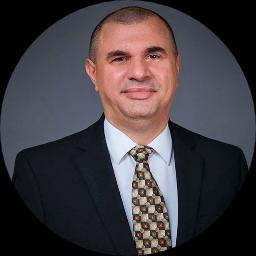
Eric Troy, LMHC
Compassionate LMHC guiding practical change
Opens BetterHelp in a new tab, where you can review online therapy options.
At a glance
- Listed location
- Florida
- Experience
- 15+ years
- Credentials
- LMHC
- Languages
- English, Romanian
- License (Florida)
- LMHC · No. MH11564
- NPI
- 1770836074
Copied as listed by the therapist. You can check a license with the state board and an NPI with the national registry.
- Client-centered focus
- CBT and DBT approaches
- Supports aging concerns
About Eric
He earned a master’s degree in psychology with a specialty in mental health counseling and later completed a doctoral degree in industrial and organizational psychology. He gained experience working in South Florida, where a diverse population shaped his approach to cultural differences and individual needs. He is also a qualified supervisor for mental health and marriage and family therapists in Florida.
In sessions he centers the person first and tailors techniques to what each individual needs. He draws on client-centered work to build a respectful therapeutic relationship. He also uses cognitive and behavioral methods to address unhelpful thinking and patterns, plus narrative and solution-focused ideas to highlight strengths and small steps forward.
People seeking help for grief, caregiver stress, LGBT concerns, self-esteem, career strain, or trauma will find a clinician who combines practical tools with empathic listening. He emphasizes collaboration and clear goals, and he invites clients to set the pace of work.
Eric speaks English and Romanian. To begin, follow the site’s Start Therapy flow and complete the brief matching questionnaire to schedule according to his availability.
Areas of expertise
Primary focus
Also works with
Additional focus areas
Therapeutic approaches
Experience
15+ years
Credentials
Florida
Languages
English, Romanian
How therapeutic approaches translate to online care
Client-centered therapy focuses on creating a respectful, nonjudgmental relationship where the client leads the work and the therapist listens closely to what matters most. This approach is useful for building trust and exploring personal goals when life feels overwhelming.Cognitive behavioral therapy, or CBT, looks at the link between thoughts, feelings, and behaviors and teaches practical skills to change unhelpful patterns. It is often used for anxiety, depression, and stress and can include homework and straightforward skill practice between sessions.
Dialectical behavior therapy, or DBT, emphasizes emotion regulation, distress tolerance, and clearer communication. DBT skills can help people manage intense emotions, reduce impulsive actions, and improve day-to-day functioning.
Finding the right approach is part of the work. The therapist will collaborate with each person to choose methods that fit their goals and preferences, and he will adjust techniques as needs change. Clients and the therapist decide together which tools to try and how progress will be measured.
If you are interested in online sessions, please confirm the current session options before booking. Online work can make it easier to fit therapy into a busy schedule, allow shorter check-ins when needed, and reduce travel time. The therapist can discuss what will best match your routine and goals when you begin the matching process.
Frequently asked questions
What kinds of concerns does he help with?
He helps people with stress, anxiety, depression, grief, addictions, caregiver strain, relationship and intimacy issues, and other life changes including aging and geriatric issues.
How would you describe his therapeutic style?
He works in a person-centered way and uses practical methods such as cognitive-behavioral strategies, dialectical behavior ideas, narrative work, and solution-focused steps to address problems.
What is his professional background?
He holds a master’s degree in psychology with a specialty in mental health counseling and a doctoral degree in industrial and organizational psychology, with about 15 years of professional experience.
Where is he licensed and practicing?
He is a Licensed Mental Health Counselor (LMHC) licensed in Florida and practices there.
Which languages are available for sessions?
Sessions are offered in English and Romanian.
Can people outside the United States work with him?
He is not accepting international clients at this time; sessions are arranged within his licensed region.
How does payment or cost work?
Cost varies with location and therapist availability; sessions use a subscription that can be canceled at any time.
What are the steps to begin therapy?
Click the Start Therapy button, complete a short matching questionnaire, and then schedule sessions according to the therapist’s availability.