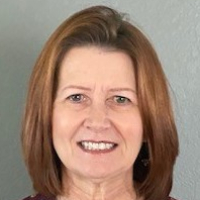
Debbie McCown-Perkins, LCSW, CSW
Compassionate, practical support for life transitions
Opens BetterHelp in a new tab, where you can review online therapy options.
At a glance
- Listed location
- Colorado
- Experience
- 14+ years
- Credentials
- LCSW, CSW
- Languages
- English
- License (Colorado)
- LCSW · No. CSW.09925010
- NPI
- 1811358575
Copied as listed by the therapist. You can check a license with the state board and an NPI with the national registry.
- Warm interactive style
- Practical coping skills
- Aging and caregiver focus
About Debbie
She uses a mix of practical techniques and person-focused listening. Sessions often involve talking through patterns, trying new coping skills, and setting manageable goals. Debbie tailors conversations and plans to each person’s situation rather than using one fixed method.
Her background includes a Bachelor of Science in Psychology and a Master of Social Work from Walla Walla University. She is licensed in Colorado as an LCSW and also holds a CSW credential. That training underpins work with mood disorders, trauma and abuse, ADHD, grief, and stress related to caregiving and aging.
Debbie integrates approaches such as cognitive behavioral tools, acceptance-based practices, dialectical skills, and EMDR-informed techniques when appropriate. She helps people cope with life changes, rebuild self-esteem, and manage intense feelings like anger or shame.
People often come for help with family-of-origin issues, adoption and foster care concerns, blended family dynamics, and the practical and emotional strain of caregiving. She emphasizes collaboration and real-world strategies that fit into everyday life.
Areas of expertise
Primary focus
Also works with
Additional focus areas
Therapeutic approaches
Experience
14+ years
Credentials
Colorado
Languages
English
How therapeutic methods translate to online work
Acceptance and Commitment Therapy (ACT) focuses on helping people clarify what matters most to them and take small steps toward those values while learning to live with difficult thoughts and feelings. It can help with anxiety, depression, life transitions, and finding direction.Cognitive Behavioral Therapy (CBT) looks at how thoughts and behaviors keep problems going and teaches concrete skills to change unhelpful patterns. It is commonly used for depression, anxiety, mood disorders, and stress management.
Eye Movement Desensitization and Reprocessing (EMDR) is an approach used to process distressing memories and reduce their hold on daily life; it is often used for post-traumatic stress and trauma-related symptoms.
Finding the right approach is part of the work. The therapist will collaborate with each person to decide which methods fit their needs, goals, and preferences. That may mean trying a skill-based exercise in one session and a deeper processing method in another so the plan matches progress.
The biography does not list specific online session formats, so confirm current options before booking. Online sessions can make it easier to fit therapy into a busy schedule, allow shorter check-ins on hectic days, and remove travel time. Licensed professionals can use online work to teach new skills, support caregivers managing stress, and guide people through grief or life changes without requiring a commute.
Frequently asked questions
What kinds of concerns does she help with?
She works with a wide range of concerns including depression, anxiety, trauma and abuse, ADHD, mood disorders, grief, relationship and family problems, addictions, caregiver stress, and aging-related issues.
What is her approach to therapy like?
The style is warm and interactive, combining person-centered listening with practical techniques from cognitive behavioral therapy, acceptance-based work, dialectical skills, and EMDR-informed methods when appropriate.
How much experience does she have?
She brings 14 years of clinical experience working with people who face mood and trauma-related challenges, caregiving stress, and family conflict.
What credentials and region describe her practice?
She holds a Master of Social Work from Walla Walla University and is a Colorado Licensed Clinical Social Worker (LCSW); she also lists CSW as a credential and practices in Colorado.
Which languages are supported in sessions?
Sessions are offered in English.
What session formats are available?
The original biography does not specify session formats; please confirm current session options with the service before booking.
How is cost handled for sessions?
Cost varies with location and therapist availability; sessions use a subscription model that can be canceled at any time.
How do I begin if I want to work together?
Choose the Start Therapy button, complete a short matching questionnaire, and schedule according to therapist availability.