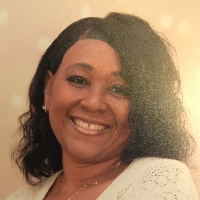
Dr. Tina Marie Glover, LPC, LPCC
Supportive counselor using evidence-informed approaches
Opens BetterHelp in a new tab, where you can review online therapy options.
At a glance
- Listed location
- Oregon
- Experience
- 22+ years
- Credentials
- LPC, LPCC
- Languages
- English
- License (Alabama)
- LPC · No. LPC03787
- License (Oregon)
- LPC · No. C3006
- License (Kentucky)
- LPCC · No. 175348
- NPI
- 1023208410
Copied as listed by the therapist. You can check a license with the state board and an NPI with the national registry.
- Client-centered care
- Practical coping skills
- Aging and geriatric issues
About Tina
Areas of expertise
Primary focus
Also works with
Additional focus areas
Therapeutic approaches
Experience
22+ years
Credentials
Alabama, Oregon, Kentucky
Languages
English
How therapeutic approaches guide online work
The therapist uses Client-Centered Therapy to focus on each person’s experience and priorities, offering a listening stance that centers the client’s goals and values. Cognitive Behavioral Therapy is used to identify unhelpful thoughts and behaviors and to practice concrete strategies for mood and anxiety management. Dialectical Behavior Therapy adds skills for emotion regulation, distress tolerance, and improving communication when relationships feel strained.Finding the right approach is a collaborative process. The therapist will help you decide which methods fit your needs by discussing goals, current challenges, and what feels most useful. Plans are adjusted as work progresses so techniques match your pace and preferences.
The original profile does not specify session formats, so confirm available options before booking. Online work can make it easier to fit therapy into a busy life - for example it can reduce travel time, allow a shorter check-in during a work break, or let someone choose not to use video on a given day. Licensed professionals can adapt CBT and DBT skills for remote sessions so people can practice tools between meetings and track progress over time.
Frequently asked questions
What concerns does she address?
She helps people with stress, anxiety, depression, trauma, addictions, relationship and intimacy issues, grief, parenting strain, bipolar concerns, and related life challenges.
What is her therapeutic style like?
Her style is client-centered and practical. She combines talk, skill practice, and goal-focused strategies drawn from CBT and DBT to change patterns and manage emotions.
How much clinical experience does she have?
She has 22 years of experience working in residential, outpatient, academic, community, and correctional settings supporting a range of issues.
What licenses and location are on file?
She holds LPC and LPCC credentials and practices from Oregon.
Which languages are supported and are international clients accepted?
Sessions are offered in English and international clients are accepted.
What session formats are offered?
The original biography does not list specific session formats. Please confirm current session options before booking.
How does billing and cost work?
Cost varies by location and therapist availability; sessions use a subscription model that can be canceled at any time.
How do I get started with therapy?
Click the Start Therapy button, complete a short matching questionnaire, and schedule a time according to the therapist’s availability.