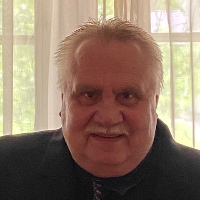
Scott Heise, LCPC
Compassionate counselor focused on practical change
Opens BetterHelp in a new tab, where you can review online therapy options.
At a glance
- Listed location
- Illinois
- Experience
- 14+ years
- Credentials
- LCPC
- Languages
- English
- License (Illinois)
- LCPC · No. 180009662
- NPI
- 1821328063
Copied as listed by the therapist. You can check a license with the state board and an NPI with the national registry.
- Goal oriented
- Warm and direct
- Skills focused
About Scott
Clients can expect a warm, nonjudgmental space where the focus is on what matters most to them. Scott blends goal-oriented work with attentive listening. He uses clear tools and exercises to address stress, sleep problems, grief, anger, self-esteem, and career challenges.
Scott draws on client-centered ideas to keep the work focused on the person in front of him. He also uses Cognitive Behavioral Therapy to identify unhelpful thinking and Dialectical Behavior Therapy skills to manage strong emotions and build coping strategies. Mindfulness and existential themes may appear when they fit a person’s goals.
He has experience helping people with ADHD, bipolar disorder, attachment concerns, caregiver stress, chronic pain and illness, blended family issues, and aging and geriatric issues. Scott can also incorporate motivational interviewing when someone is working through substance use or wanting behavior change.
Sessions can include discussion, skills practice, and brief homework aimed at real-world change. Scott will work with each person to set clear objectives and track progress over time. He welcomes people looking for practical steps and steady support.
Areas of expertise
Primary focus
Also works with
Additional focus areas
Therapeutic approaches
Experience
14+ years
Credentials
Illinois
Languages
English
Therapeutic approaches and how they fit online
Scott commonly uses Cognitive Behavioral Therapy and Dialectical Behavior Therapy in his work. CBT helps people spot and change unhelpful thoughts and behaviors, which can reduce anxiety and depression and help with sleep and mood regulation. DBT focuses on managing intense emotions, improving distress tolerance, and building better interpersonal skills, which can be useful for anger, relationship strain, and mood instability.He also applies client-centered principles, which means therapy starts with the person’s goals and moves at their pace. Choosing the right approach is collaborative - the therapist and client review what’s working and adjust methods as needed to meet goals and preferences.
Practical benefits of working with a licensed professional online include easier fitting of sessions into a busy schedule and fewer barriers to attending regular appointments. Please confirm the current session options before booking so you know which formats are available. Online work often emphasizes skills practice, homework, and short check-ins that fit into everyday life, helping people carry changes into their daily routines.
Frequently asked questions
What issues does Scott help people with?
Scott works with a wide range of concerns including stress, anxiety, depression, trauma, addictions, grief, sleep problems, parenting strain, anger, self-esteem, career concerns, bipolar disorder, and ADHD. He also focuses on aging and geriatric issues and caregiver stress.
How would you describe his therapeutic style?
His style is empathetic and goal oriented with a client-centered focus. Sessions tend to mix listening, practical tools, and measurable goals so people leave with steps they can try between meetings.
What is his background and experience?
He has 14 years of experience working in community mental health and earned a master’s degree in Counseling Psychology in 2009. That background includes work with mood disorders, trauma, personality concerns, and substance use.
Where is he licensed and located?
Scott holds the LCPC credential and practices in Illinois. Location information beyond the state is not provided here.
Which languages does he use in sessions?
Sessions are offered in English.
Does he work with international clients?
He is not currently accepting international clients.
How are session costs handled?
Cost varies with location and therapist availability; sessions use a subscription that can be canceled at any time. Exact pricing can be confirmed during the sign-up process.
How do I begin working with him?
Start by selecting the Start Therapy button, completing a short matching questionnaire, and then schedule based on the therapist’s availability.