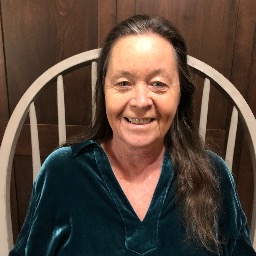
Mary Kallenbach, LCMHC
Compassionate counselor with broad clinical experience
Opens BetterHelp in a new tab, where you can review online therapy options.
At a glance
- Listed location
- North Carolina
- Experience
- 23+ years
- Credentials
- LCMHC
- Languages
- English
- License (North Carolina)
- LCMHC · No. S3220
- NPI
- 1225160377
Copied as listed by the therapist. You can check a license with the state board and an NPI with the national registry.
- LCMHC in North Carolina
- 23 years experience
- Focus on aging issues
About Mary
She meets people where they are and works with them to set clear, achievable goals. Sessions emphasize skills you can use between meetings, as well as space to talk through difficult feelings. Mary draws on several evidence-based approaches and tailors the work to each person’s needs.
Mary earned a Master’s in Counseling from Webster University in 1997 and has been practicing since 1995. She has extensive experience in inpatient and community settings, and she has maintained a private practice since 1998. Earlier roles included work with adult women in inpatient psychiatric care and community mental health programs.
Her methods have included cognitive behavioral strategies, acceptance and commitment ideas, dialectical behavior tools, and EMDR when appropriate. She also has experience with eating disorders, PTSD, personality concerns, and serious mental illness from work in residential programs and hospitals.
In sessions, Mary aims to help people build skills, reduce distress, and regain a sense of purpose. She also incorporates relationship-focused work when concerns involve partners or family dynamics.
Areas of expertise
Primary focus
Also works with
Additional focus areas
Therapeutic approaches
Experience
23+ years
Credentials
North Carolina
Languages
English
How Mary Uses Different Therapies Online
Acceptance and Commitment Therapy (ACT) focuses on clarifying personal values and taking small, meaningful steps that align with those values. It helps when worry or avoidance get in the way of living the life you want. Cognitive Behavioral Therapy (CBT) looks at how thoughts and behaviors interact and offers practical tools to change patterns that fuel anxiety, depression, or stress. Eye Movement Desensitization and Reprocessing (EMDR) is a method some therapists use to address traumatic memories by processing distressing experiences in a structured way; it is often helpful for people with PTSD or ongoing trauma symptoms.Finding the right approach is part of the work. Mary will talk with each person about goals and preferences and then suggest methods that fit those needs. The plan is collaborative, so techniques can be adjusted as progress is made or new concerns appear.
Session format details were not listed in the biography, so confirm current online options before booking. In general, online work can make it easier to fit sessions into a busy life. It can reduce travel time, allow shorter check-ins when needed, and give a quieter setting that frees up energy for the work. Licensed professionals can adapt ACT, CBT, and EMDR techniques effectively in remote sessions when those formats are available.
Frequently asked questions
What concerns does Mary commonly address?
She works with stress, anxiety, depression, trauma and abuse, relationship and intimacy issues, grief, addictions, and issues related to aging and geriatric concerns among others.
How would you describe her therapy style?
Her style is practical and collaborative. She meets people where they are and helps set goals and build skills that can be used between sessions.
What kind of background does she bring to sessions?
Mary has worked in inpatient, residential, school, and community mental health settings since 1995 and has run a private practice since 1998.
What credentials and location are listed for this therapist?
She holds the Licensed Clinical Mental Health Counselor credential (LCMHC) in North Carolina and practices in that state.
Does she offer sessions in other languages or accept international clients?
Sessions are offered in English. She is not currently accepting international clients.
What session formats are available?
Session formats were not specified in the biography; please confirm current session options before booking.
How does payment and cost work?
Cost varies by location and therapist availability. Sessions use a subscription model that can be canceled at any time.
How do I begin working with her?
Click the Start Therapy button, complete a short matching questionnaire, and schedule according to the therapist's availability.