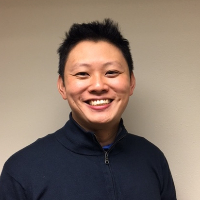
Mark Yeung, LCSW
Experienced LCSW focusing on practical coping
Opens BetterHelp in a new tab, where you can review online therapy options.
At a glance
- Listed location
- Oregon
- Experience
- 12+ years
- Credentials
- LCSW
- Languages
- English
- License (Oregon)
- LCSW · No. L5904
- License (Washington)
- LICSW · No. LW60567700
- License (California)
- LCSW · No. 28753
- NPI
- 1356686398
Copied as listed by the therapist. You can check a license with the state board and an NPI with the national registry.
- Acceptance and Commitment Therapy
- Skill building focus
- Aging and geriatric issues
About Mark
He often uses Acceptance and Commitment Therapy, Cognitive Behavioral Therapy, and Dialectical Behavior Therapy alongside a humanistic, client-centered stance. That means he helps people notice what matters to them, challenge unhelpful thoughts, and build skills for strong emotional regulation. Sessions focus on practical strategies that can be tried between meetings.
Mark has worked with people managing grief, chronic illness, caregiver strain, aging and geriatric issues, addiction, depression, anxiety, and trauma. He also supports concerns like relationship problems, parenting stress, career transitions, and issues tied to identity and discrimination. His background includes counseling medically ill and terminally ill people and their families.
He values empathy, warmth, and a clear working relationship. In sessions he blends supportive listening with actionable homework and skill practice. He encourages clients to set realistic goals and track small changes that add up over time.
To begin, people complete a short matching questionnaire and schedule based on availability. Mark emphasizes collaboration so treatment reflects each person’s needs and life circumstances.
Areas of expertise
Primary focus
Also works with
Additional focus areas
Therapeutic approaches
Experience
12+ years
Credentials
Oregon, Washington, California
Languages
English
How his therapeutic approaches translate to online work
Acceptance and Commitment Therapy (ACT) helps people identify what truly matters to them and take action aligned with those values. It can help with depression, anxiety, life transitions, and coping with chronic illness or aging concerns. Cognitive Behavioral Therapy (CBT) focuses on spotting and changing unhelpful thoughts and behaviors to reduce symptoms and improve daily functioning. It is often used for anxiety, depression, and sleep or eating difficulties. Dialectical Behavior Therapy (DBT) teaches concrete skills for emotion regulation, distress tolerance, and clearer communication, which can help with intense emotions, relationship strain, and self-management.Finding the right approach is a collaborative process. The therapist will talk with each person about goals, preferences, and life context, then suggest methods to try. Together they adjust methods based on what is helping and what feels doable in everyday life.
Session formats supported by this profile are not specified here, so confirm current session options before booking. Online therapy can make it easier to fit sessions into a busy schedule, allow shorter check-ins when time is limited, and remove travel time for appointments. Licensed professionals can also assign brief exercises to practice between meetings so progress continues between sessions.
Frequently asked questions
What kinds of concerns does Mark address?
He works with stress, anxiety, depression, grief, addiction, relationship and intimacy issues, trauma, eating and sleeping problems, ADHD, bipolar concerns, caregiver stress, and aging and geriatric issues among others.
How would you describe his therapeutic style?
He combines Acceptance and Commitment Therapy, Cognitive Behavioral Therapy, and Dialectical Behavior Therapy with a client-centered, humanistic approach to focus on practical skills and values-based goals.
What relevant experience does he bring?
He has 12 years of clinical experience, including counseling medically ill and terminally ill people, the bereaved, and veterans.
What are his credentials and where is he located?
He is a Licensed Clinical Social Worker (LCSW) practicing in Oregon.
Which languages are supported for sessions?
Sessions are offered in English.
Can international clients work with him?
He is not currently accepting international clients.
How are costs and payment handled?
Cost varies with location and with therapist availability; sessions use a subscription that can be canceled at any time.
How do I begin therapy with him?
Use the Start Therapy button, complete a short matching questionnaire, and schedule sessions according to the therapist's availability.