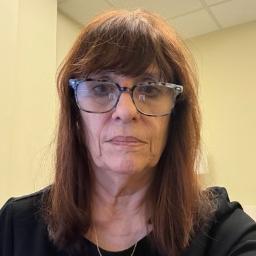
Loretta Samenga, LCSW
Compassionate care for mood and life transitions
Opens BetterHelp in a new tab, where you can review online therapy options.
At a glance
- Listed location
- New York
- Experience
- 6+ years
- Credentials
- LCSW
- Languages
- English
- License (New York)
- LCSW · No. 097639
- NPI
- 1548841075
Copied as listed by the therapist. You can check a license with the state board and an NPI with the national registry.
- Stress and anxiety
- Addiction recovery
- Aging concerns
About Loretta
Loretta creates a calm, respectful space to talk through strong feelings and difficult life changes. She uses straightforward tools to build better coping skills and improve day-to-day functioning. Sessions focus on what matters now and on small steps that can make life more manageable.
Her background includes six years of clinical experience working with a wide range of concerns. She draws on therapy styles that encourage self-reflection, skill building, and emotional regulation. This helps clients address relationship patterns, communication problems, and past losses that affect current wellbeing.
She also pays attention to issues linked to aging and geriatric concerns, caregiver stress, chronic illness, and disability. In those situations she aims to help people balance practical needs with emotional concerns and to find ways to reduce overwhelm.
Loretta blends client-centered conversations with evidence-based techniques like cognitive behavioral strategies and mindfulness. She works collaboratively with each person to set goals and track progress. Her approach emphasizes kindness, clear tools, and building resilience over time.
Areas of expertise
Primary focus
Additional focus areas
Therapeutic approaches
Experience
6+ years
Credentials
New York
Languages
English
How her approaches translate to online work
Client-Centered Therapy emphasizes listening and following the person’s lead. In practice this means sessions focus on what the client wants to change and on building a trusting relationship through empathetic conversation.Cognitive Behavioral Therapy, or CBT, looks at how thoughts, feelings, and actions link together. It uses concrete exercises and homework to break unhelpful patterns and improve mood and behavior over time.
Dialectical Behavior Therapy, or DBT, teaches practical skills for managing intense emotions and reducing impulsive behavior. It includes techniques for emotional regulation, distress tolerance, and clearer communication.
Choosing the right approach is part of therapy. The therapist will work with the client to identify which methods fit best for their goals, needs, and preferences. This is a collaborative process that can change as progress is made.
Session formats are not specified here, so confirm current options before booking. Many people find online work helpful because it can fit more easily into a busy day, allow shorter check-ins when needed, or avoid travel time. Online sessions can also make it simpler to maintain continuity during life transitions and to practice skills between meetings.
Frequently asked questions
What kinds of problems does Loretta help with?
She works with stress, anxiety, depression, bipolar symptoms, addiction, and self-esteem concerns, plus related areas such as caregiver strain and chronic illness.
What is her general therapy style?
Her style is client-centered and practical, focusing on clear coping skills, emotional regulation, and collaborative goal setting.
How much clinical experience does she have?
She has six years of experience in clinical practice working with mood, behavioral, and interpersonal concerns.
What credentials and location are listed?
She is an LCSW licensed in New York and practices in that state.
Which languages are sessions offered in?
Sessions are offered in English.
Can people outside the United States work with her?
She does not accept international clients at this time.
How are sessions priced and billed?
Cost varies with location and therapist availability, and sessions use a subscription that can be canceled at any time.
How do I begin working with Loretta?
Click the Start Therapy button, complete a short matching questionnaire, and schedule sessions according to therapist availability.