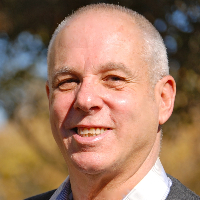
Gary Zarchy, LPC
Practical, person-centered counseling for life changes
Opens BetterHelp in a new tab, where you can review online therapy options.
At a glance
- Listed location
- Arizona
- Experience
- 25+ years
- Credentials
- LPC
- Languages
- English
- License (Arizona)
- LPC · No. LPC-10642
- NPI
- 1598827214
Copied as listed by the therapist. You can check a license with the state board and an NPI with the national registry.
- Client-centered approach
- Focus on aging issues
- Mindfulness and CBT
About Gary
He has extensive background supporting people struggling with anxiety, depression, trauma, and substance use. He also works with concerns around relationships, grief, intimacy, anger, and career stress. His practice includes focus on aging and geriatric issues and hospice and end-of-life counseling when those topics arise.
Gary earned a master’s degree from the University of Phoenix and has taught in that university's counseling department for eighteen years. He brings classroom experience to clinical work, using practical tools drawn from several approaches. Clients can expect straightforward conversations and structured steps they can try between sessions.
His style is collaborative and goal oriented. He combines client-centered listening with techniques from cognitive behavioral work and mindfulness to help people manage symptoms and try new behaviors. He also uses EMDR as one option for processing traumatic memories when appropriate.
Gary describes his aim as empowering clients to meet their goals and eventually leave therapy when they are ready. He focuses on making progress measurable and actionable so people can see how their efforts lead to change.
Areas of expertise
Primary focus
Also works with
Additional focus areas
Therapeutic approaches
Experience
25+ years
Credentials
Arizona
Languages
English
How approaches like CBT and EMDR work online
Client-centered therapy is about listening carefully and following each person's pace. Online sessions can use that same focus to help clients talk through problems and set achievable goals. Cognitive behavioral therapy, or CBT, breaks problems into thoughts, feelings, and actions and gives simple exercises people can try between sessions to change patterns. Eye Movement Desensitization and Reprocessing, EMDR, helps process disturbing memories using guided attention and can be adapted to a remote format when clinically appropriate.Finding the right approach is part of the work together. The therapist will discuss goals, personal preferences, and what has or hasn't worked in the past. Then a plan is shaped collaboratively and adjusted as progress is seen.
The original biography does not list which online session formats are offered, so confirm the available options before booking. Online work can make scheduling easier and fit therapy into a busy day, allow shorter check-ins when needed, or avoid travel time. These practical benefits help people maintain momentum and fold therapeutic work into everyday life.
Frequently asked questions
What concerns does this therapist address?
Common issues include stress, anxiety, addictions, depression, trauma, relationship and intimacy concerns, grief, anger, self-esteem, career, bipolar disorder, and compassion fatigue. Additional focus areas include aging and geriatric issues and hospice and end-of-life counseling.
What is the general therapy style here?
Sessions are client-centered and collaborative. The therapist combines listening and practical techniques from cognitive behavioral work, mindfulness, and other approaches to help clients test new behaviors and cope with symptoms.
What experience does the therapist bring?
The practitioner has 25 years of clinical experience and has worked extensively with substance use, LGBTQIA concerns, anxiety, depression, trauma, and relationship issues.
What credentials and location are listed?
The therapist holds an LPC credential and practices in Arizona. The education listed includes a master’s degree from the University of Phoenix.
Which languages are supported and are international clients accepted?
Sessions are offered in English. International clients are not currently accepted.
What session formats are available?
The original biography does not specify session formats here. Please confirm current session options before booking to know which formats are offered.
How does payment and cost work?
Cost varies with location and therapist availability, and sessions use a subscription that can be canceled at any time.
How do I begin working with this therapist?
To start, select the Start Therapy button, complete a short matching questionnaire, and schedule according to the therapist's availability.