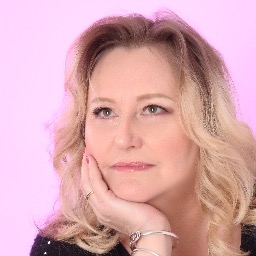
Paula Bantick-Ward, BACP
Supportive person-centred counsellor
Opens BetterHelp in a new tab, where you can review online therapy options.
At a glance
- Listed location
- United Kingdom
- Experience
- 8+ years
- Credentials
- BACP
- Languages
- English
- Registration (United Kingdom)
- BACP · No. 348864
Copied as listed by the therapist. You can check a registration with the body that issued it.
- Person-centred approach
- Practical tools
- Works with couples
About Paula
She listens without judgement and keeps sessions genuine and non-directive. Paula works in a person-centred way, using empathy to help people find their own answers and build on what matters to them. She also draws on tools from cognitive behavioural therapy and solution-focused brief work to offer clear steps when needed.
Paula helps people with stress, anxiety, depression, grief and relationship difficulties. Other areas she supports include addictions, eating and intimacy-related issues, anger, low self-esteem and coping with life changes. She also works with concerns such as abandonment, attachment issues, caregiver stress, cancer-related worries and aging and geriatric issues.
Her sessions may include creative options like metaphor, journaling or creative writing when that fits a client's style. Paula says the work is collaborative - she listens, reflects and offers techniques people can try between sessions. She is based in the United Kingdom and works with English-speaking clients, including those outside the UK.
To begin, people use the Start Therapy button, complete a short matching questionnaire and then schedule according to availability. Fees vary by location and use a subscription model that can be cancelled at any time.
Areas of expertise
Primary focus
Also works with
Additional focus areas
Therapeutic approaches
Experience
8+ years
Credentials
United Kingdom
Languages
English
How Paula’s approaches work in online therapy
Acceptance and Commitment Therapy, or ACT, encourages people to notice difficult thoughts and feelings without getting stuck in them and to take values-led action. It can help with anxiety, low mood and coping with life changes. Attachment-Based Therapy looks at how early relationships shape current patterns and helps people understand and change how they connect with others. This can be useful for relationship difficulties and attachment issues.Paula takes a collaborative approach to choosing methods. She will talk with each person about their goals and preferences and together decide which approaches to try. The process is flexible, and practical techniques can be introduced gradually based on what works for the individual.
The biography notes Paula offers online and telephone sessions, so confirm the precise formats before booking. Online work can make it easier to fit counselling into a busy week and cut travel time. Telephone sessions may suit shorter check-ins or times when video is not convenient. In either case Paula may suggest simple homework such as journaling or creative exercises to use between sessions and will adapt activities to suit how the person prefers to work.
Frequently asked questions
What kinds of issues does Paula work with?
She helps people with stress, anxiety, depression, grief and relationship difficulties, as well as addictions, eating-related concerns and intimacy issues.
How would she describe her therapeutic style?
Paula practices person-centred counselling, listening without judgement and working in a non-directive, empathetic way. She also combines practical techniques from other approaches when useful.
What experience does she bring to sessions?
Paula has eight years of experience supporting people through life changes and emotional difficulties, using a mix of person-centred work and other therapy techniques.
Where is she based and what credential does she hold?
She is based in the United Kingdom and is a registered member of the British Association for Counselling and Psychotherapy, shown as BACP.
Which languages are sessions offered in?
Sessions are offered in English and she is able to work with some international clients.
What session formats are available?
The biography states Paula provides online and telephone sessions; please confirm the current session options before booking.
How are fees and payment handled?
Fees vary with location and therapist availability and sessions use a subscription model that can be cancelled at any time.
What is the first step to start therapy?
Use the Start Therapy button, complete a short matching questionnaire and then schedule sessions according to the therapist's availability.