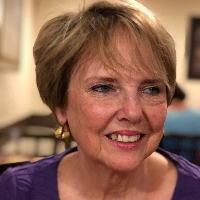
Dr. Mary Walker, LPC
Person-centered counselor blending skills and compassion
Opens BetterHelp in a new tab, where you can review online therapy options.
At a glance
- Listed location
- Texas
- Experience
- 10+ years
- Credentials
- LPC
- Languages
- English
- License (Texas)
- LPC · No. 66464
- NPI
- 1194490177
Copied as listed by the therapist. You can check a license with the state board and an NPI with the national registry.
- Person-centered focus
- Skills-based tools
- Ten years experience
About Mary
She brings ten years of counseling experience and works from a person-centered stance. That means she focuses on the person first and builds therapy around their goals. She blends practical tools from cognitive behavioral therapy and dialectical behavior therapy when those skills will help reduce symptoms and improve daily functioning.
Mary trained in counseling at Houston Graduate School of Theology for her master’s degree and completed a Ph.D. at Texas A&M Corpus Christi. Before counseling she taught high school art and mentored in church settings, which shaped how she connects with people of different ages and backgrounds.
Her past work includes helping people cope with trauma, dissociation, chronic health problems, codependency, and family of origin concerns. She also addresses abandonment, adoption and foster care issues, and caregiver stress. She aims to make change feel manageable and steady rather than overwhelming.
Sessions focus on clear goals and practical steps. Dr. Walker encourages clients to try skills between sessions and to check what works. She describes therapy as a shared process where the client’s priorities guide the work.
Areas of expertise
Primary focus
Also works with
Additional focus areas
Therapeutic approaches
Experience
10+ years
Credentials
Texas
Languages
English
Therapeutic approaches and how they translate online
Client-centered therapy focuses on listening and following the client's lead, helping people name their priorities and set small, practical goals. Cognitive behavioral therapy (CBT) uses straightforward exercises to identify unhelpful thoughts and try new behaviors, which can ease symptoms like anxiety, mood swings, or sleep problems. Dialectical behavior therapy (DBT) teaches skills for emotion regulation and distress tolerance, useful for strong mood shifts or relationship stress.Choosing the right approach is part of the work. The therapist will talk with each person about goals and preferences, then suggest which methods to try first. That decision is collaborative and can change as needs evolve.
If you are considering online sessions, confirm the exact formats offered before booking since this profile does not list them. Online therapy can make scheduling easier and help fit sessions into busy lives. It can also allow for shorter check-ins or phone conversations when that suits someone better, and it avoids travel time so people can work therapy into a lunch break or between appointments. Licensed professionals can adapt CBT and DBT exercises to remote sessions so people can practice skills at home and review progress together.
Frequently asked questions
What concerns does Mary commonly address?
She helps people with grief, eating and sleeping problems, addictions, bipolar disorder, ADHD, LGBT identity questions, and career or coaching needs. Additional focuses include aging and geriatric issues, caregiver stress, chronic illness, and family of origin matters.
How would you describe her therapy style?
Her style is person-centered and collaborative. She combines compassionate listening with practical skill-building from cognitive and behavioral approaches.
What is her professional background?
She has ten years of experience in counseling and previously taught high school art and mentored in church settings, which inform her relational approach.
What credentials and region are listed for this therapist?
She is an LPC - Licensed Professional Counselor - practicing in Texas as indicated in her profile.
Which languages are supported and can international clients work with her?
Sessions are offered in English and she accepts international clients.
What session formats are available?
Please confirm current session formats before booking, as the profile does not specify which formats are offered.
How are costs and billing handled?
Cost varies with location and therapist availability; sessions use a subscription that can be canceled at any time.
What steps do I take to begin work with her?
Use the Start Therapy button, complete a short matching questionnaire, and then schedule according to the therapist's availability.