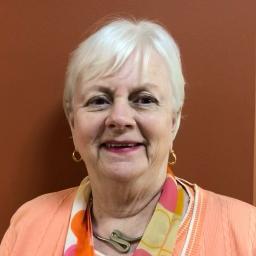
Mary Niedermeier-Bleyaert, LMSW
Experienced Michigan LMSW helping with life transitions
Opens BetterHelp in a new tab, where you can review online therapy options.
At a glance
- Listed location
- Michigan
- Experience
- 34+ years
- Credentials
- LMSW
- Languages
- English
- License (Michigan)
- LMSW · No. 6801002263
- NPI
- 1942393558
Copied as listed by the therapist. You can check a license with the state board and an NPI with the national registry.
- Client-centered focus
- Practical tools
- Strengths-based
About Mary
Mary focuses on practical, down-to-earth conversations. Sessions aim to make difficult problems easier to manage. She listens for what matters most to each person and works collaboratively to set reachable goals.
Her background includes long experience supporting those coping with life changes, parenting pressures, caregiver stress, and issues tied to intimacy, attachment, and boundaries. She also addresses concerns such as ADHD, bipolar mood challenges, and compassion fatigue. Aging and geriatric issues are listed among her areas of attention.
Mary draws on several therapeutic approaches to tailor work to each client. She uses client-centered listening to understand a person’s priorities and cognitive-behavioral strategies to identify unhelpful thinking patterns and try new behaviors. When emotions run high she brings techniques from dialectical behavior therapy and emotion-focused work to help regulate feelings and improve connection.
Her style is respectful and straightforward. She helps people translate insight into small, concrete steps. To begin, clients use the Start Therapy button and complete a short matching questionnaire before scheduling.
Areas of expertise
Primary focus
Also works with
Additional focus areas
Therapeutic approaches
Experience
34+ years
Credentials
Michigan
Languages
English
How therapeutic approaches translate to online work
Client-Centered Therapy emphasizes listening and understanding what matters to each person. In practice this looks like a therapist reflecting back concerns, clarifying priorities, and letting the client guide the agenda. Cognitive Behavioral Therapy, or CBT, focuses on identifying unhelpful thoughts and testing small behavior changes to reduce anxiety or depressive patterns; it often includes simple exercises to practice between sessions. Dialectical Behavior Therapy, DBT, teaches concrete skills for managing strong emotions, improving toleration of stress, and strengthening relationships, which can be learned in step-by-step ways online.Finding the right approach is part of the work together. The therapist will help decide which combination of methods fits a client's needs, goals, and preferences. That choice is collaborative and can shift over time as goals change.
The practical benefit of online therapy is more flexibility for day-to-day life. It can make it easier to fit sessions around work, caregiver duties, or travel. Because session formats were not specified in the biography, confirm current options before booking so you know whether video, phone, or another format is offered. Online sessions still allow for short check-ins, focused skill practice, and homework that help people make steady progress.
Frequently asked questions
What kinds of concerns does she address?
She works with stress, anxiety, depression, grief, relationship and family tensions, trauma and abuse, parenting and caregiver stress, and related issues such as ADHD and bipolar mood challenges.
How would you describe her therapeutic style?
She takes a collaborative, down-to-earth approach that centers the client's experience. Sessions focus on listening, clarifying goals, and trying practical steps between meetings.
How much experience does she have?
She has 34 years of professional work experience in a range of clinical settings and populations.
What credentials and region are listed?
She holds an LMSW, which stands for Licensed Master Social Worker, and practices in Michigan.
Which languages are supported?
Sessions are offered in English. International clients are not currently accepted.
What session formats are available?
Session formats are not specified in the biography. Please confirm current session options before booking.
How does payment and cost work?
Cost varies with location and therapist availability. Sessions use a subscription that can be canceled at any time.
How do I get started?
Select the Start Therapy button, complete a short matching questionnaire, and schedule according to therapist availability.