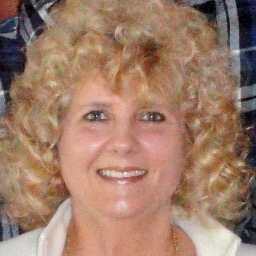
Christine Frederick, LICSW
Practical, strengths-based therapy for life transitions
Opens BetterHelp in a new tab, where you can review online therapy options.
At a glance
- Listed location
- Massachusetts
- Experience
- 14+ years
- Credentials
- LICSW
- Languages
- English
- License (Massachusetts)
- LICSW · No. LICSW118007
- NPI
- 1902380843
Copied as listed by the therapist. You can check a license with the state board and an NPI with the national registry.
- Strengths focused
- Goal oriented
- Compassionate listening
About Christine
She draws on a human-centered, strength-based way of working that helps people notice what is already going well. Sessions focus on practical steps and small goals a person can try between meetings. Christine aims to keep conversations clear and grounded so clients can use what they learn in daily life.
Over fourteen years of practice have included supporting people through substance use struggles, trauma and abuse, family conflict, and complicated grief. She also has experience with mood conditions such as bipolar disorder and attention-related concerns like ADHD. That background informs how she tailors goals and interventions for each person.
In sessions she combines client-centered listening with cognitive behavioral tools and solution-focused planning. That mix allows time to hear a person’s story while also building skills to manage mood, stress, and difficult thoughts. Christine emphasizes strengths, values, and realistic steps forward.
Her approach suits people who want straightforward, goal-oriented work alongside empathic listening. Prospective clients in Massachusetts who want to explore next steps can start by describing what feels most urgent and what change would matter most to them.
Areas of expertise
Primary focus
Also works with
Additional focus areas
Therapeutic approaches
Experience
14+ years
Credentials
Massachusetts
Languages
English
How these approaches translate to online therapy
Client-Centered Therapy emphasizes listening and following the person’s own pace. Online work with this approach focuses on creating space to tell your story and name what matters, while the therapist reflects and clarifies concerns. Cognitive Behavioral Therapy, or CBT, looks at how thoughts, feelings, and actions connect and teaches practical skills to change them; online sessions can include brief exercises and homework to practice between appointments. Solution-Focused Therapy concentrates on small, concrete steps toward a preferred future and is often brief and goal focused, which can fit well into shorter online sessions.Finding the right approach is part of the work together. The therapist will ask about your needs, goals, and day-to-day routines and will suggest which methods to try first. Decisions about techniques and focus are collaborative and can shift as progress is assessed.
The original biography does not list specific session formats, so confirm current online options before booking. Online therapy can make it easier to fit sessions into a busy life by reducing travel time, allowing shorter check-ins when schedules are tight, and making it simpler to meet during a lunch break or between errands. Licensed professionals can still use skill-building, goal setting, and cognitive tools effectively through remote appointments when those formats are available.
Frequently asked questions
What kinds of concerns does Christine help address?
She works with stress, anxiety, depression, addiction, grief, relationship and intimacy issues, caregiver fatigue, and aging and geriatric concerns among others.
What is her general approach in sessions?
Christine uses a human-centered, strength-based style with practical tools from cognitive behavioral and solution-focused methods to set manageable goals.
How much clinical experience does she have?
She has fourteen years of experience working with issues such as substance use, trauma, mood disorders, grief, and caregiver stress in Massachusetts.
What credentials and location are listed?
She holds an MA and is a Licensed Independent Clinical Social Worker (LICSW) practicing in Massachusetts.
In which languages are sessions offered?
Sessions are offered in English only and international clients are not accepted at this time.
Which session formats are available?
The original biography does not specify session formats, so please confirm current session options before booking.
How does billing and cost work?
Cost varies with location and scheduling; sessions use a subscription that can be canceled at any time.
How do I begin if I want to work together?
Click the Start Therapy button, complete the short matching questionnaire, and then schedule according to therapist availability.