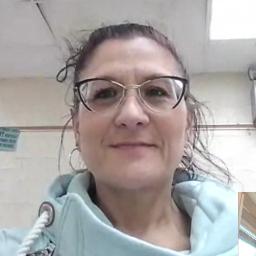
Amy Montoya, LPC
Supportive counselor with long-term care experience
Opens BetterHelp in a new tab, where you can review online therapy options.
At a glance
- Listed location
- Colorado
- Experience
- 16+ years
- Credentials
- LPC
- Languages
- English
- License (Colorado)
- LPC · No. LPC.0013922
- NPI
- 1770816696
Copied as listed by the therapist. You can check a license with the state board and an NPI with the national registry.
- Trauma and grief
- Family conflict
- Aging issues
About Amy
Her approach is practical and person-focused. She listens first, then tailors conversations and plans to each person's needs. Sessions move at a steady pace with clear goals and steps to try between meetings when helpful.
Amy draws on several clinical methods to guide work on anxiety, stress, grief, addictions, and identity issues. She uses evidence-informed tools to address thoughts, emotions, and behaviors that get in the way of daily life. EMDR may be part of trauma work when appropriate.
Her background in long-term care gives added experience supporting caregivers, people facing chronic illness or disability, and aging and geriatric issues. That experience informs practical problem solving around care stress and life transitions.
People often come to talk about parenting strain, family conflict, or struggles with self-esteem and intimacy. Amy also supports people dealing with bipolar symptoms, ADHD, eating concerns, and recovery from domestic violence. She works to empower clients to make gradual, sustainable changes.
To begin, she asks questions about current needs and goals, then co-creates a plan that fits the person’s life. Conversations are direct, compassionate, and aimed at building skills that carry over into everyday situations.
Areas of expertise
Primary focus
Also works with
Additional focus areas
Therapeutic approaches
Experience
16+ years
Credentials
Colorado
Languages
English
How therapeutic approaches guide online work
Client-Centered Therapy focuses on understanding each person’s experience and building a strong working relationship. The therapist follows the client’s lead, reflects concerns, and helps clarify goals so sessions feel relevant and respectful.Cognitive Behavioral Therapy, or CBT, helps people notice thought patterns and behaviors that contribute to distress. It uses practical exercises and small experiments to change unhelpful habits and reduce symptoms like anxiety or depression.
Dialectical Behavior Therapy, DBT, adds skills for managing intense emotions and improving relationships. It teaches tools for emotion regulation, distress tolerance, and clearer communication that people can practice between sessions.
Finding the right approach is part of the work. The therapist will collaborate with the client to pick or combine methods based on current needs, goals, and preferences. This is a shared process that can evolve as progress is made.
Because specific session formats are not listed in the biography, confirm the available online options before booking. Online work can make it easier to fit sessions into busy lives, reduce travel time, and offer shorter check-ins when needed. Many people find remote sessions helpful for maintaining consistency and practicing skills in their everyday routines.
Frequently asked questions
What kinds of concerns does she help with?
She works with a broad range of concerns including trauma and abuse, depression, anxiety, stress, addictions, grief, relationship and intimacy-related issues, and identity concerns such as LGBT matters.
How would you describe her therapy style?
Her style is person-centered and direct. She listens first, tailors plans to each person, and uses practical steps to help people move toward their goals.
What is her background and experience?
She has 16 years of professional experience and previously served 10 years as a nursing home Social Services Director, which adds experience with caregiving and long-term care settings.
What credentials and location are listed?
She holds the LPC credential and practices in Colorado.
Which languages are supported for sessions?
Sessions are offered in English only.
What session formats are available?
The original biography does not list specific session formats, so confirm current session options with the platform before booking.
How are sessions billed or paid for?
Cost varies with location and therapist availability; sessions use a subscription that can be canceled at any time.
How do I begin working with her?
Select the Start Therapy button, complete a short matching questionnaire, and schedule according to therapist availability.